George Anjay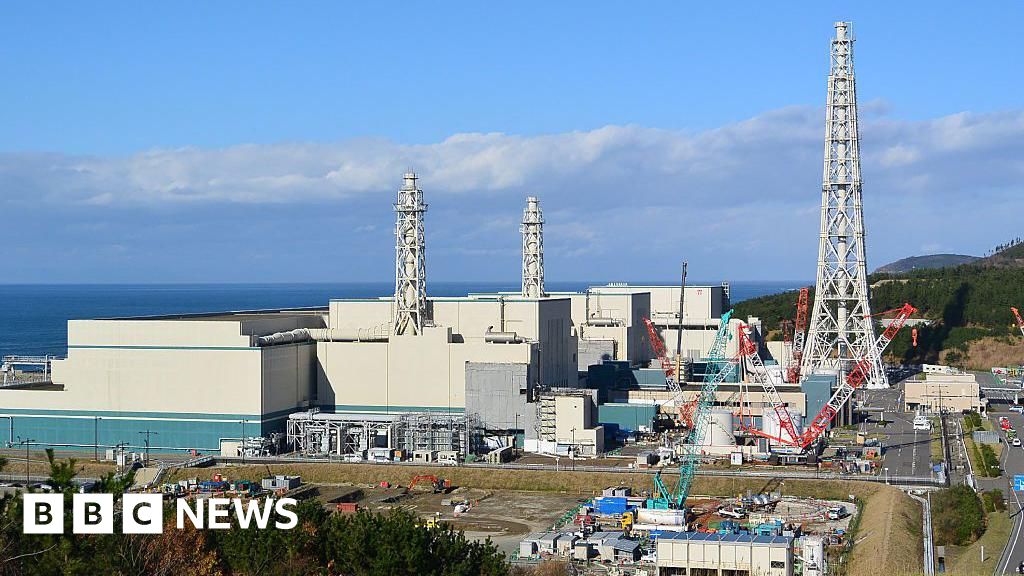
In a development that has sent ripples of concern through Japan and the international nuclear energy community, operations at the Kashiwazaki-Kariwa nuclear power plant, the world’s largest, were suspended mere hours after its highly anticipated restart. The setback, announced by the plant’s operator, Tokyo Electric Power Company (Tepco), occurred during crucial reactor-start-up procedures for reactor number six. While the operator has assured the public that the reactor remained "stable" and posed "no radioactive impact outside," the incident has reignited long-standing anxieties surrounding nuclear safety in Japan, particularly in the shadow of the devastating 2011 Fukushima Daiichi disaster.
Reactor number six had, in fact, been scheduled to restart on Wednesday, a day later than initially planned, due to a separate alarm malfunction. This marked the first time a reactor at the Kashiwazaki-Kariwa facility had been brought back online since the catastrophic events of 2011. At that time, a colossal 9.0 magnitude earthquake triggered a series of meltdowns at the Fukushima plant, resulting in one of the most severe nuclear accidents in recorded history. The ensuing radiation leakage forced the evacuation of over 150,000 residents from their homes in the surrounding areas. Many of these displaced individuals have yet to return, even with official assurances that the region is now safe.
Following the latest suspension on Thursday, Tepco spokesperson Takashi Kobayashi reiterated that reactor number six was "stable and there is no radioactive impact outside." The reactor was originally slated to commence commercial operations next month. However, Tepco is now "currently investigating the cause" of the latest incident, and an exact timeline for the resumption of operations has not yet been provided. This latest hiccup casts a shadow over Tepco’s efforts to bring the Kashiwazaki-Kariwa plant back to full operational capacity.
The future of the Kashiwazaki-Kariwa plant itself remains uncertain. Reactor number seven, another of the facility’s seven reactors, is not expected to be reactivated until 2030. The remaining five reactors at the site are facing the possibility of decommissioning, a move that would significantly diminish the plant’s overall capacity compared to its previous operational status with all seven reactors online. This potential reduction in output underscores the complex challenges Japan faces in balancing its energy needs with the imperative of nuclear safety.
The green light for reactor number six to restart was granted despite considerable safety concerns voiced by local residents. In the week preceding the restart, a small but determined group of protesters gathered outside Tepco’s headquarters to voice their opposition. Earlier, in December, hundreds had assembled outside the Niigata prefectural assembly, highlighting the deep-seated apprehension within the communities closest to the plant. These protests reflect a lingering distrust and a demand for unwavering safety assurances that the recent incident has unfortunately amplified.
Japan has historically been a significant proponent of nuclear power. Prior to the 2011 disaster, nuclear energy accounted for nearly 30% of the nation’s electricity generation. At that time, Japan had ambitious plans to increase this share to 50% by 2030, a testament to its reliance on nuclear power for both energy security and its growing environmental commitments. The complete shutdown of all 54 reactors in the wake of the Fukushima disaster necessitated a drastic shift in Japan’s energy policy. For the past decade, the nation has been engaged in a painstaking process of reviewing, upgrading, and attempting to revive its nuclear power plants. This effort is intrinsically linked to Japan’s broader goal of achieving net-zero emissions by 2050, a critical target in the global fight against climate change.
Since the first reactor was restarted in 2015, Japan has managed to bring 15 out of its 33 operable reactors back online. This gradual reintroduction of nuclear power has been met with a mix of cautious optimism and persistent skepticism. The latest incident at Kashiwazaki-Kariwa serves as a stark reminder of the inherent risks associated with nuclear technology and the immense responsibility that operators bear. The challenges extend beyond technical operational issues; they also encompass the critical task of rebuilding public trust and ensuring that the lessons learned from past tragedies are not forgotten.
The Kashiwazaki-Kariwa plant, with its impressive installed capacity, was once a cornerstone of Japan’s energy infrastructure. Its potential return to full operation would significantly contribute to the nation’s energy independence and its decarbonization efforts. However, the path forward is fraught with obstacles. The repeated alarms and suspensions, even in the absence of immediate danger, erode confidence and fuel the arguments of those who advocate for a complete transition away from nuclear power. The incident underscores the need for absolute transparency, rigorous safety protocols, and a continuous dialogue with affected communities.
The restart of reactor number six was intended to signal a new chapter for Japan’s nuclear industry, a testament to its resilience and its commitment to a low-carbon future. Instead, the suspension has thrown a spotlight on the persistent vulnerabilities and the profound public anxiety that continue to shape the debate around nuclear energy in Japan. The investigation into the cause of the alarm malfunction will be closely watched, as its findings will undoubtedly influence the future of the Kashiwazaki-Kariwa plant and, by extension, Japan’s broader energy strategy. The world’s largest nuclear plant, designed to provide a significant portion of Japan’s electricity, now stands idle once more, a symbol of the complex and often precarious balance between energy needs, technological advancement, and the unyielding imperative of safety. The ghost of Fukushima continues to cast a long shadow, and any progress in the nuclear sector is met with a heightened sense of vigilance and a demand for irrefutable proof of safety.


 Ramos Leo
 Nakalama John