Nana Banana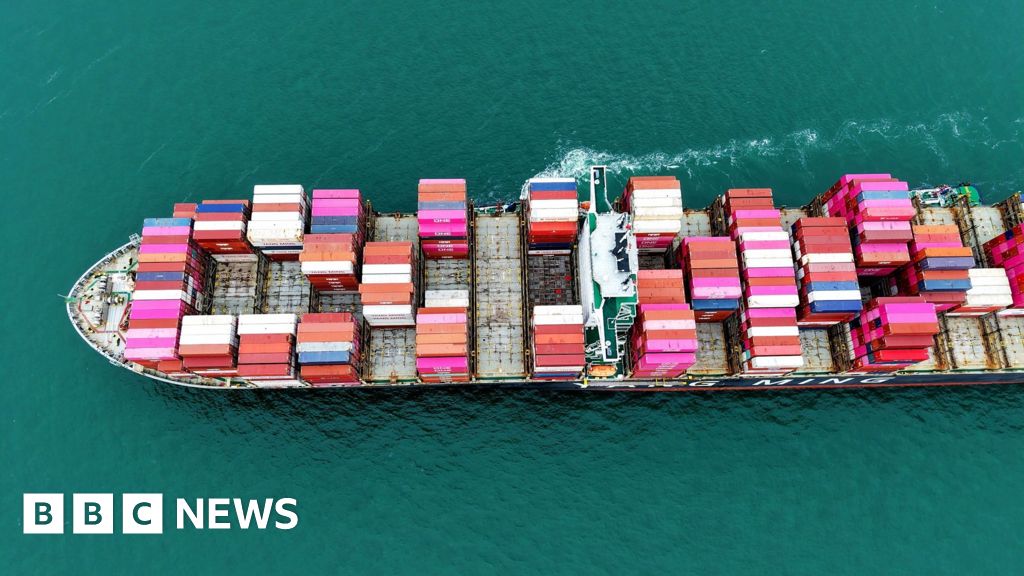
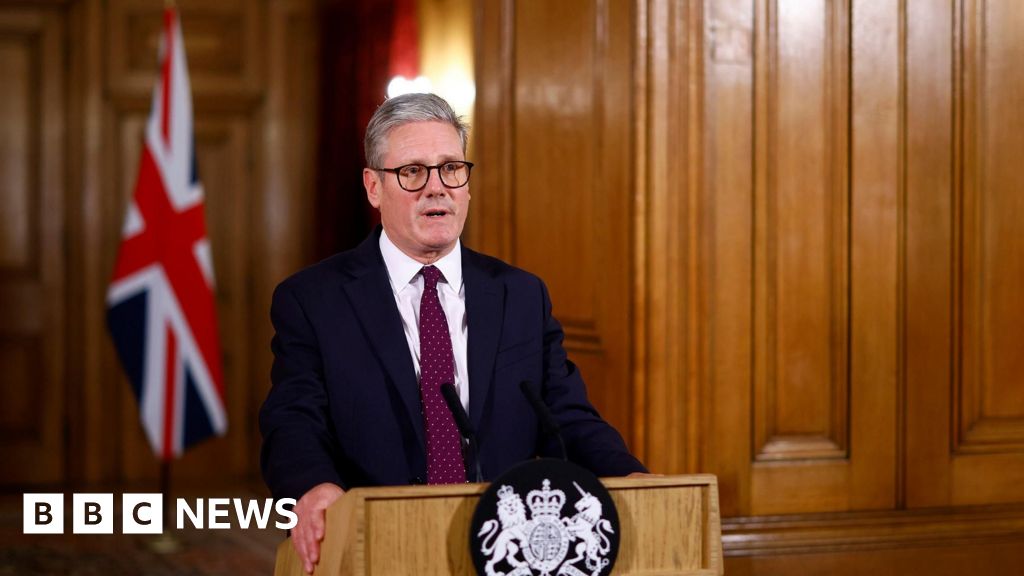
However, the path to a cleaner maritime future encountered an insurmountable obstacle in the form of US President Donald Trump’s administration. President Trump had vociferously denounced the proposed plan as a "green scam," articulating concerns that it would unfairly burden American consumers with increased prices. Representatives of his administration took their objections a step further, reportedly threatening various countries with punitive tariffs if they dared to vote in favor of the emission-cutting measures. Following the collapse of the negotiations, US Secretary of State Marco Rubio lauded the outcome as a "huge win" for President Trump, underscoring the administration’s assertive stance on economic sovereignty over international climate initiatives.
The palpable pressure exerted on participating nations was evident in the aftermath. Arsenio Dominguez, the Secretary General of the International Maritime Organisation (IMO), the UN body responsible for regulating shipping, issued a poignant "plea" for such an outcome not to be replicated in future international environmental negotiations. His remarks highlighted the immense diplomatic strain under which delegates had operated.
The dramatic conclusion unfolded on a Friday, a day earmarked for the final approval vote on the ambitious deal. Instead, Saudi Arabia unexpectedly tabled a motion proposing the adjournment of the talks for an entire year. The chairman of the meeting conceded that passing such a motion would effectively mean the agreement was not approved, as its meticulously planned timelines, crucial for the treaty’s implementation, would have to be entirely revised. In a nail-biting vote, the motion passed by a mere handful of ballots, shattering years of diligent negotiation and collaborative effort.
The fallout was immediate and critical. Hon. Ralph Regenvanu, the Minister for Climate Change for the Republic of Vanuatu, an island nation acutely vulnerable to rising sea levels and climate impacts, condemned Saudi Arabia’s motion as "unacceptable." He stressed the dire urgency of climate action in light of accelerating global warming, articulating the profound disappointment felt by nations on the front lines of the climate crisis. "We came to London in reluctant support of the IMO’s Net-Zero Framework," Minister Regenvanu stated, acknowledging that while the framework "lacks the ambition that climate science demands," it nonetheless represented a "significant step" forward. His words underscored the delicate balance many nations sought between immediate action and the pursuit of more aggressive targets.
Paradoxically, the global shipping industry itself had largely thrown its weight behind the deal. Its support stemmed from a desire for consistent, global standards, which would provide the regulatory certainty necessary for long-term investments in green technologies and cleaner fuels. Thomas Kazakos, secretary-general of the International Chamber of Shipping, an influential industry body, expressed profound disappointment. "We are disappointed that member states have not been able to agree a way forward at this meeting," Kazakos remarked, emphasizing the industry’s critical need for "clarity to be able to make the investments" required for decarbonization. This setback leaves the industry in a state of flux, facing an uncertain regulatory landscape that could hinder the transition to sustainable practices.
The voting patterns revealed a fragmented international community. The United Kingdom and the majority of European Union nations voted to continue the talks, reflecting their commitment to climate action and multilateral agreements. However, some EU members, notably Greece, a nation with a significant maritime industry, deviated from the bloc’s consensus, choosing to abstain from the vote. This highlights the complex interplay of national economic interests, regional solidarity, and global environmental goals.
The coalition that successfully pushed for the adjournment included Russia, Saudi Arabia, and the United States. Their collective concern, openly articulated, revolved around the potential for the deal to trigger price increases for consumers, echoing President Trump’s earlier statements. This alliance of major energy producers and economic powers effectively prioritized immediate economic considerations over long-term environmental objectives.
Perhaps most revealing were the shifts in position among other key countries. China, a global manufacturing powerhouse and a major maritime trading nation, had initially supported the deal in April but subsequently agreed to delay proceedings. Similarly, some island states, including the Bahamas and Antigua and Barbuda, which had also initially agreed to the framework, either changed their position or abstained. A delegate from the island states group candidly informed the BBC that these nations, heavily reliant on the US for trade and economic support, had been subjected to significant pressure from the Trump administration to alter their stance. This starkly illustrates the formidable geopolitical leverage wielded by powerful nations in international negotiations, particularly when economic lifelines are at stake.
The deal, the product of a painstaking ten years of negotiations, had been hailed as historic when it was first agreed upon in April. Its groundbreaking nature lay in the fact that it marked shipping as the world’s first industrial sector poised to adopt internationally mandated targets for emissions reduction. The core of the agreement stipulated that from 2028, ship owners would be legally obliged to utilize progressively cleaner fuels or face substantial financial penalties.
Shipping currently accounts for approximately 3% of global emissions, a figure that continues to climb in tandem with the relentless growth of global trade – an astonishing 90% of all goods worldwide are transported by sea. Unlike many other sectors that have made strides in reducing their carbon footprint, the shipping industry has struggled to do so, partly due to the absence of cost-effective alternatives to conventional heavy fuel oils. Faig Abbasov, programme director for maritime transport at the think tank Transport and Environment, highlighted this challenge during earlier IMO negotiations. "There is no fuel as cheap as diesel that ships use today because when we take crude oil out of the ground, we take out all the nice bits, that’s the kerosene for aviation, diesel and petrol for cars," he explained. This economic reality means that without robust intervention and a clear regulatory pathway, the International Maritime Organisation had previously estimated that by 2050, shipping emissions could surge by a catastrophic range of 10% to 150%.
The London meeting this week was intended to be the final hurdle – the moment for formal approval and the charting of the precise next steps for implementation. However, since April, the US had intensified its vocal objections, primarily driven by concerns that the deal would inevitably lead to increased consumer prices for goods. President Trump himself amplified this sentiment, posting on Truth Social on Thursday night: "The United States will NOT stand for this Global Green New Scam Tax on Shipping. We will not tolerate increased prices on American Consumers."
With the talks now delayed for a year, the meticulously crafted timeline designed to implement the new regulations by 2028 appears irrevocably jeopardized. Blánaid Sheeran, an observer to the talks and policy officer at the environmental NGO Opportunity Green, articulated the gravity of the situation: "A delay in action may require changes to the text of agreement that undermine the planned timeline, and could revert years of work to date." This setback not only postpones crucial climate action but also casts a long shadow over the efficacy of multilateral environmental governance, raising serious questions about the international community’s ability to tackle the escalating climate crisis through collective action. The abandonment of this landmark deal under such circumstances represents a significant blow to global climate efforts and leaves the future of sustainable shipping in an precarious and uncertain state.




 George Anjay
 Ramos Leo
 Nakalama John