Ramos Leo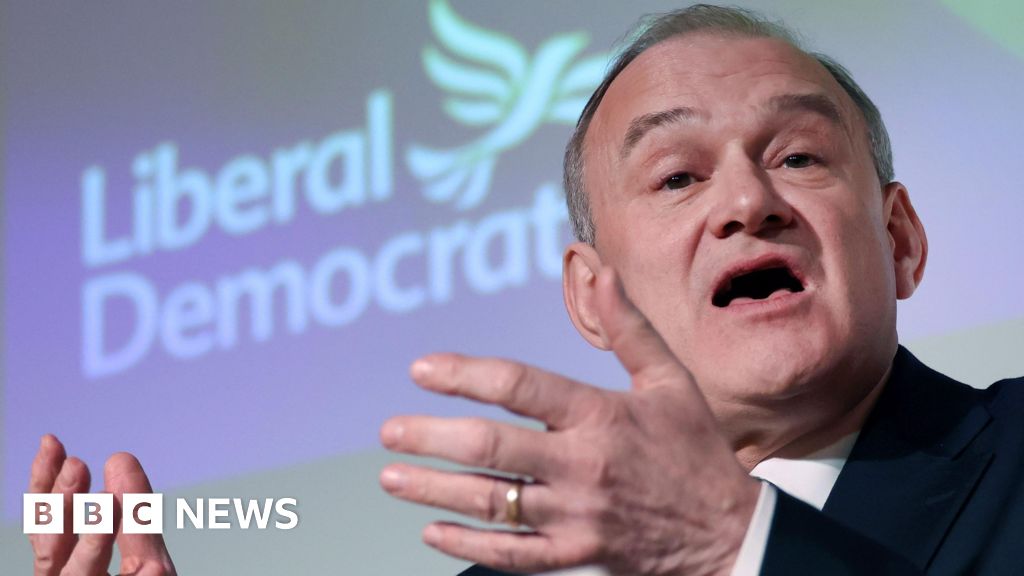
In a pivotal speech, party leader Sir Ed Davey articulated the core of their plan: a new statutory duty for ministers to ensure that patients are admitted, transferred, or discharged within 12 hours of their A&E presentation. This legal obligation, they argue, would force the government to implement the systemic changes necessary to end what has become a routine and unacceptable standard of care. The funding mechanism for this significant investment, the Lib Dems contend, would come from cancelling a contentious UK-US pharmaceuticals deal that they claim could cost the NHS billions more for essential medicines.
The proposed pharmaceutical agreement, brokered between the UK government and the former Trump administration, aims to keep American imports of UK medicines tariff-free for three years. However, a crucial caveat of this deal reportedly involves the NHS agreeing to raise its threshold for spending on new treatments by 25%. This increase, according to a Financial Times report from December, is estimated by the Department of Health and Social Care itself to lead to a rise in medicines spending of £1.5 billion over the next three years. The Liberal Democrats assert that by clawing back this sum, they can directly reinvest it into frontline emergency care, effectively turning a potential financial burden into a life-saving opportunity.
The urgency of the Liberal Democrats’ proposal is underscored by the stark reality of A&E waiting times across England. Since the pandemic, the number of patients facing waits exceeding 12 hours has surged dramatically. Latest NHS figures for November paint a grim picture, revealing that 50,648 people in England endured more than half a day waiting for admission to a hospital bed after a decision was made to admit them. This figure represents not just a statistic, but thousands of individuals often in severe pain, distress, or critical condition, stranded in overcrowded emergency departments.
The human cost of these delays is profound and, tragically, often fatal. Analysis by the Royal College of Emergency Medicine (RCEM) revealed an alarming estimate of 16,644 excess deaths associated with prolonged A&E waits before admission in England during 2024. These are not merely numbers; each represents a life cut short, a family devastated by a system under unbearable strain. Sir Ed Davey powerfully condemned this situation, stating, "This deadly corridor crisis isn’t befitting of the heroic doctors, nurses and other health professionals who work in our NHS. It’s not what we expect from our NHS, and it’s not what we pay our hard-earned money in taxes to fund our NHS for." His words capture the widespread public disillusionment with a health service that once prided itself on rapid emergency care.
Beyond simply freeing up funds, the Lib Dems have detailed precisely how the £1.5 billion would be deployed to create tangible improvements. Their plan aims to make approximately 6,000 more beds available each day. This would be achieved through a dual approach: expanding existing hospital capacity and, crucially, creating additional social care beds. The latter addresses the critical issue of "bed blocking" or "delayed discharges," where patients medically fit to leave hospital remain in acute beds due to a lack of available social care placements. By reserving more places in care homes and providing dedicated funding for individuals leaving hospital and for family members acting as carers at home, the Liberal Democrats aim to unblock the flow of patients through the system, freeing up beds in A&E and on wards.
Under their proposed statutory duty, ministers would be legally bound to ensure the 12-hour target is met, a significant shift from current aspirational targets. Sir Ed expressed confidence that this comprehensive package of proposals "could put an end to 12-hour A&E waits altogether, by the end of the year." He added a poignant and resolute pledge: "Never again should anyone have to watch their loved one die on a trolley in a hospital corridor." When questioned about the ambition of these plans, Sir Ed affirmed his party’s commitment to go even further if in government, stating, "We need to get back to four-hour waits and less. We’re the only party talking about it. We want to raise it and show it can be tackled in a year." This highlights a desire to restore the original four-hour A&E target, a standard largely unmet for years.
The government, through the Department of Health and Social Care (DHSC), responded to the Liberal Democrats’ plan by highlighting its own efforts and acknowledging the challenges. A spokesperson reiterated that "corridor care is unacceptable" and outlined measures already in place or being implemented. These include delivering 500,000 more vaccinations compared to the previous year, aimed at reducing seasonal pressures on emergency services, and investing in new infrastructure such as same-day emergency centres and mental health crisis centres to divert appropriate patients away from acute A&E departments. The deployment of 500 brand new ambulances is also cited as a measure to improve emergency response times. Regarding the pharmaceuticals deal, the DHSC spokesperson stated they had "struck a deal on medicine pricing that puts patients first and strengthens our life sciences sector, all without taking essential funding from our frontline services," directly contradicting the Lib Dems’ interpretation of its financial implications. The government maintains that it has invested an extra £26 billion in the NHS and argued that "it would take time to turn around the mess we inherited," implicitly pointing to the legacy of the pandemic and prior challenges.
Meanwhile, the Labour Party, as the official opposition, has also made "getting the NHS back on its feet" a central priority, particularly in the wake of the pandemic which exacerbated pressures on the health service. Their 2024 election manifesto outlined an immediate focus on "getting a grip on the record waiting lists" and striving to "return to meeting NHS performance standards." While the Liberal Democrats’ plan specifically targets the immediate crisis in A&E, Labour’s main focus has largely been on reducing waiting times for non-urgent, consultant-led treatments. These elective care waiting lists remain stubbornly high, with approximately 7.4 million people waiting as of late 2025 – a figure significantly above pre-pandemic levels, though slightly reduced from the peak backlogs observed after Covid-19. Health Secretary Wes Streeting, reflecting on his tenure, acknowledged that even in the NHS’s best days, "there will still have been patients on trolleys in corridors being treated in conditions that fall short of my ambitions and expectations for our health service." He emphasized the need to balance pride in progress with honesty about shortcomings, avoiding both overselling success and fuelling pessimism. Last year, the government had also committed over £450 million to expand urgent and emergency care facilities to provide faster care for patients, indicating a shared recognition of the problem’s severity across the political spectrum, albeit with differing proposed solutions and funding approaches. The Conservatives, who were in government during the pandemic and faced unprecedented health challenges, were approached for comment, reflecting the cross-party scrutiny now focused on the future of NHS emergency care.


 George Anjay
 Nakalama John
 atisusanti