atisusanti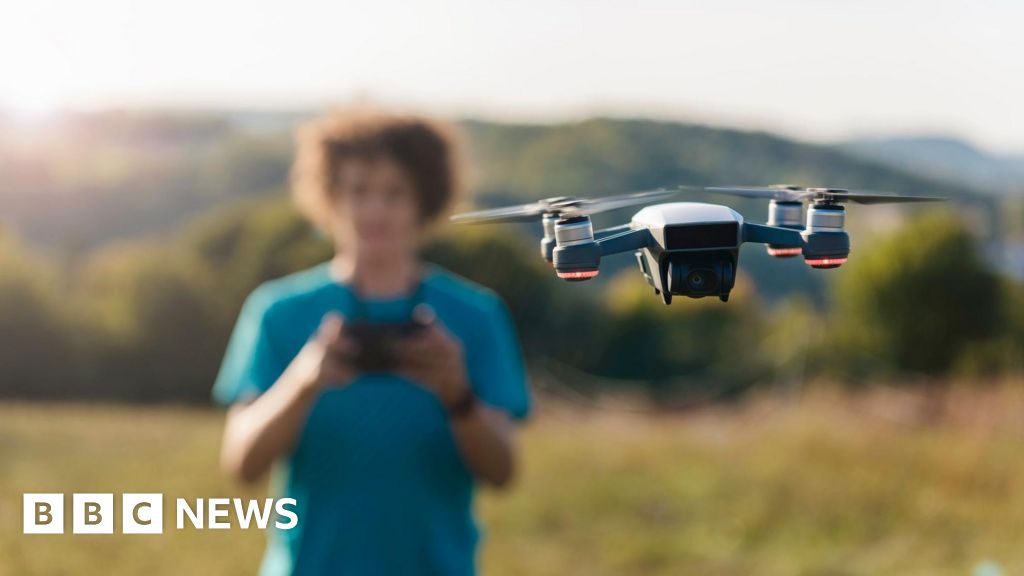
The festive season’s bounty of new drones is set to bring a significant regulatory shift for many across the United Kingdom, as a crucial theory test becomes mandatory for outdoor flight from January 1st. This new requirement, aimed at enhancing safety and compliance, will impact individuals who have received drones or model aircraft weighing 100g or more as gifts, potentially affecting up to half a million people. Previously, the Civil Aviation Authority (CAA) only mandated this online theory test for drones exceeding 250g. However, the updated regulations broaden the scope, necessitating a "Flyer ID" for any drone or model aircraft of 100g or more intended for outdoor operation.
Jonathan Nicholson, a spokesperson for the CAA, emphasized the growing popularity of drones as Christmas presents and the paramount importance of users understanding and adhering to the law. "With the new drone rules coming into force this week, all drone users must register, get a Flyer ID and follow the regulations," he stated. "We want people to enjoy their drones but it’s vital that they have checked the new rules and know how and where to operate their drone safely before they fly." The CAA’s framework for drone and model aircraft operation is fundamentally structured around the weight and classification of these devices.
The transition from a 250g threshold to a 100g threshold for requiring a Flyer ID signifies a proactive approach by the CAA to encompass a wider range of drone users under its safety umbrella. Furthermore, a new layer of compliance has been introduced for those owning drones weighing 100g or more that are equipped with a camera. These individuals are now obligated to register with the CAA to obtain an "Operator ID," in addition to completing the theory test for their Flyer ID. This dual registration system aims to create a more robust accountability framework for drone ownership and operation.
The CAA asserts that these revised regulations are designed for enhanced clarity and to facilitate the "safe expansion" of drone technology throughout the UK. The updated rules are not solely directed at adult users; they extend to children as well, with specific provisions tailored to different age groups. For children under the age of 13, obtaining a Flyer ID requires the presence of a parent or guardian when undertaking the complimentary online theory test. In parallel, younger operators, aged 12 and below, must be under the supervision of an individual aged 16 or older when flying drones. Parents of these younger pilots are also responsible for acquiring an Operator ID on their behalf.
Beyond new users, the CAA is also urging existing drone owners and those who already possess IDs to familiarize themselves with the updated guidelines. These rules provide critical information regarding restricted flying zones and outline best practices for safeguarding individual privacy when operating drones equipped with cameras. The regulator has made it unequivocally clear that operating a drone or model aircraft without the requisite IDs constitutes a breach of the law, carrying penalties ranging from substantial fines to, in more egregious circumstances, potential imprisonment.
However, the practical implications and effectiveness of enforcing these new regulations remain a subject of discussion. Dr. Alan McKenna, a law lecturer at the University of Kent, posits that the efficacy of enforcement will largely hinge on the allocation of resources. While Dr. McKenna acknowledges that the majority of drone users are likely to endeavor to comply with the new UK requirements for outdoor flight, he also anticipates that a segment of users may attempt to circumvent these regulations. "You’re always going to get people who make mistakes or can’t be bothered," Dr. McKenna remarked, suggesting that a portion of users might operate their drones "under the radar." He further pointed out that concerns regarding the environmental impact, privacy violations, and safety implications stemming from the escalating use of drones represent "wider issues" that extend beyond mere regulatory compliance.
The CAA’s comprehensive approach aims to address a multitude of potential issues arising from the burgeoning drone market. The introduction of the theory test is not merely an administrative hurdle; it is designed to instill a foundational understanding of aviation law, airspace restrictions, and responsible drone piloting practices. Topics covered in the test are expected to include, but not be limited to, understanding airspace classifications, recognizing and avoiding manned aircraft, respecting privacy, and emergency procedures. This educational component is deemed vital in preventing incidents and fostering a culture of safety within the drone community.
The registration process for an Operator ID, linked to the drone itself, serves as a crucial identification mechanism. This allows the CAA to track ownership and hold individuals accountable for the operation of their devices. The combination of a personal Flyer ID and a device-specific Operator ID creates a more comprehensive system for managing drone activity. This is particularly important in light of the increasing sophistication and capabilities of consumer drones, which can now include high-resolution cameras, advanced navigation systems, and extended flight times.
The CAA’s decision to lower the threshold for the Flyer ID requirement to 100g is a clear indication of their commitment to proactive risk mitigation. Drones at this weight, while seemingly small, can still pose significant risks if operated carelessly, particularly in proximity to airports, sensitive infrastructure, or populated areas. The educational content delivered through the theory test is intended to equip users with the knowledge to identify and avoid such hazards, thereby minimizing the likelihood of accidents or disruptions.
Furthermore, the regulations are designed to be adaptable. As drone technology continues to evolve and new applications emerge, the CAA retains the authority to update these rules to reflect changing circumstances. The emphasis on a "safe expansion" suggests a long-term vision where drones can be integrated into various sectors, from photography and videography to delivery services and infrastructure inspection, without compromising public safety or privacy.
The legal ramifications of non-compliance underscore the seriousness with which the CAA views these regulations. The potential for fines, which can be substantial, and the more severe prospect of prison sentences serve as a deterrent against flagrant disregard for the rules. This legal framework provides the necessary teeth for enforcement, ensuring that the regulations are not merely recommendations but binding legal obligations.
However, as Dr. McKenna highlighted, the effectiveness of these legal measures is intrinsically linked to the resources available for enforcement. In a scenario where drone usage is widespread, identifying and apprehending offenders can be a complex and resource-intensive undertaking. This suggests that a multi-pronged approach, combining education, registration, and targeted enforcement, will be essential for the successful implementation of the new drone regulations.
The CAA’s efforts to simplify the rules and make them more accessible, particularly through online testing, aim to encourage widespread adoption. The free nature of the theory test further removes a potential barrier to compliance. The agency’s proactive communication strategy, including public announcements and online resources, is crucial in ensuring that drone users are aware of their responsibilities.
In conclusion, the new drone regulations in the UK represent a significant step towards establishing a safer and more responsible drone ecosystem. The mandatory theory test for outdoor flight, coupled with the registration requirements, are designed to empower users with the knowledge and accountability necessary to operate drones safely and legally. While enforcement challenges may exist, the CAA’s commitment to education and a clear legal framework signals a determined effort to manage the growing presence of drones in the UK airspace effectively. The onus now lies on both new and existing drone users to embrace these changes and ensure they are equipped to fly responsibly.




 George Anjay
 Ramos Leo
 Roy Suryo
 Nakalama John