
 atisusanti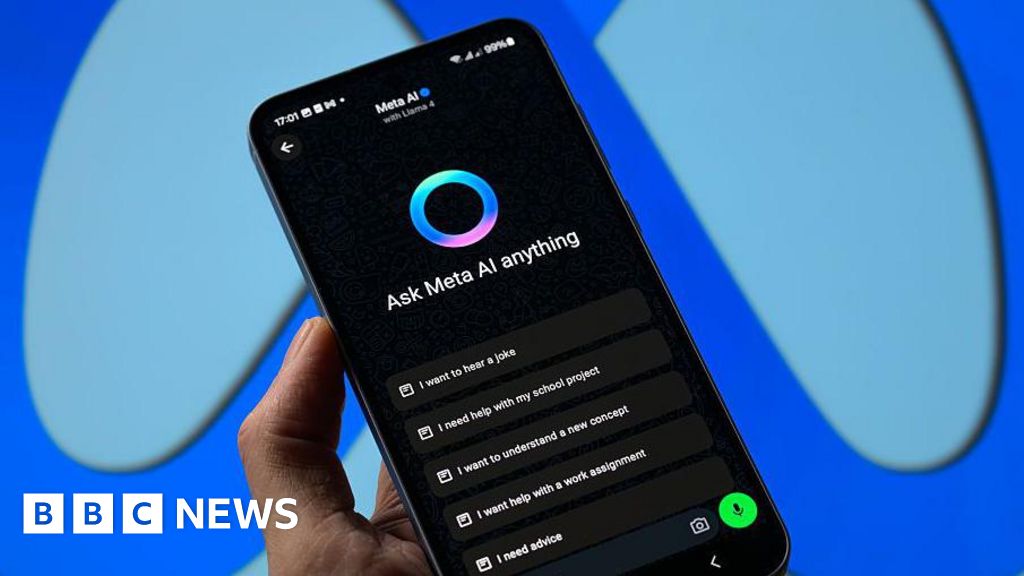
Technology giant Meta is poised to embark on a significant strategic shift, introducing premium subscription tiers for its flagship platforms: Instagram, Facebook, and WhatsApp, in the coming months. This move represents Meta’s latest and arguably most ambitious experiment with diversifying its revenue streams beyond its long-standing reliance on advertising. The proposed subscription models are designed to offer users enhanced functionalities, with a particular emphasis on expanded artificial intelligence (AI) capabilities, signaling a growing integration of sophisticated AI tools into the everyday user experience across its social media and messaging empires. Crucially, Meta has emphasized that the core services of these platforms will remain accessible and free to use, aiming to avoid alienating its vast existing user base while enticing a segment to upgrade for premium benefits.
The subscription plans are expected to unlock a range of advanced features, including, but not limited to, AI-powered tools that promise to augment user creativity and productivity. One notable example is the integration of features from Vibes, a video generation app that Meta announced in September as part of the latest iteration of its Meta AI app. Vibes is touted as a tool that can "bring your ideas to life with new AI visual creation tools," suggesting a future where users can generate sophisticated visual content with greater ease and sophistication. This points towards a strategy where Meta aims to leverage its burgeoning AI research and development to create tangible, value-added features for its premium subscribers.
Further underscoring Meta’s commitment to AI-driven premium offerings, the company plans to incorporate technologies from Manus, a Chinese-founded AI firm that Meta agreed to acquire in December for a reported $2 billion (£1.46 billion). This acquisition, first reported by TechCrunch, is a key component of Meta’s strategy to bolster its AI capabilities and integrate them into its subscription services. Manus is known for its advanced AI agents, which are designed to perform complex tasks with minimal user intervention. Meta has indicated that it will continue to offer standalone Manus subscriptions to businesses, suggesting a dual approach to monetizing this cutting-edge technology.
The strategic rationale behind acquiring Manus is clearly articulated by Meta. The company stated that the integration of Manus’s "exceptional talent" will be instrumental in delivering "general-purpose agents across our consumer and business products, including Meta AI." These agents are envisioned as tools capable of handling intricate tasks such as planning trips or creating presentations, thereby significantly enhancing user productivity and streamlining complex processes. This move aligns with Meta’s broader ambition to position itself at the forefront of the AI revolution, not just as a platform provider but as a creator of intelligent tools that can empower individuals and businesses.
Manus, which relocated its operations to Singapore from China, has positioned itself as a unique player in the competitive AI landscape. The company distinguishes itself through its claim of developing "truly autonomous" AI agents. Unlike many contemporary chatbots that require iterative prompting and user guidance to achieve desired outcomes, Manus asserts that its service can autonomously plan, execute, and complete tasks in accordance with initial instructions. This level of autonomy represents a significant leap forward in AI capabilities, and Meta’s acquisition suggests a belief in its potential to revolutionize how users interact with digital platforms.
However, the acquisition of Manus has not been without its regulatory scrutiny. In January, Beijing announced its intention to investigate the Meta deal, citing concerns about potential violations of China’s technology export laws or national security regulations. This investigation highlights the complex geopolitical landscape surrounding advanced AI technologies and the increasing focus of governments on controlling the flow and development of such powerful tools. Meta’s ability to navigate these regulatory hurdles will be crucial for the successful integration of Manus’s technology into its global product offerings.
This foray into subscription services is not entirely unprecedented for Meta. Last year, the company conducted a limited test that placed restrictions on the number of links certain users could share in Facebook posts. Notifications observed by some users in the UK and US indicated that they would be limited in sharing links unless they subscribed to a service. Meta described this as a "limited test to understand whether the ability to publish an increased volume of posts with links adds additional value" for subscribers. This experiment, while perhaps more rudimentary than the planned AI-driven subscriptions, signals a willingness on Meta’s part to explore different monetization models beyond traditional advertising, especially for features that might appeal to power users or content creators.
Furthermore, in 2023, Meta began rolling out a paid verification service, offering users on Facebook and Instagram a coveted blue tick for a monthly fee. This move was widely interpreted as an attempt to emulate the success of Twitter’s (now X) paid verification model and to capture revenue from users seeking enhanced credibility and visibility on the platforms. The introduction of premium subscriptions for core platform features, especially those enhanced by advanced AI, represents a more substantial evolution of this strategy, aiming to offer deeper value propositions to paying customers.
The implications of Meta’s premium subscription strategy are far-reaching. For users, it presents an opportunity to access cutting-edge AI tools and enhanced functionalities that could significantly improve their digital lives. For Meta, it signifies a bold step towards diversifying its revenue streams, reducing its dependence on advertising, and potentially creating more predictable income streams. The success of these trials will likely shape Meta’s future product development and monetization strategies, potentially setting a new precedent for how social media and messaging giants engage with their user bases in the evolving digital economy. The integration of advanced AI capabilities into paid tiers suggests a future where the most powerful and innovative tools are increasingly behind a paywall, a trend that could have significant implications for digital accessibility and the democratization of advanced technologies. As Meta navigates this new frontier, the balance between free access and premium offerings will be a critical factor in its ability to maintain user engagement and drive sustained growth in an increasingly competitive technological landscape. The company’s ability to clearly articulate the value proposition of these premium tiers, coupled with a seamless user experience, will be paramount to their success.




 Ramos Leo
 Nakalama John
 George Anjay