
 Nakalama John
Around six million low-income households across the UK are set to receive a vital £150 discount on their winter energy bills for an additional five years, following a government announcement confirming the extension of the Warm Home Discount scheme. This crucial support measure, which has been a lifeline for vulnerable families since its inception in 2011, will now run until the winter of 2030/31, providing much-needed stability amidst persistent cost of living pressures and volatile energy prices.
The decision comes after a comprehensive consultation period, during which the government sought feedback on the most effective ways to continue the scheme. Its reach was significantly expanded just last year, bringing an additional 2.7 million families into its fold, underscoring the growing recognition of the need for targeted financial assistance. Ministers emphasised that prolonging the Warm Home Discount is a direct response to the ongoing high cost of living, which has been exacerbated by substantial increases in energy expenses over recent years.

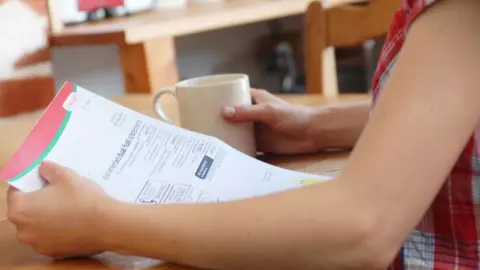
The Warm Home Discount is administered and funded directly by energy companies with over 1,000 customers. Eligible households typically receive the £150 rebate automatically, applied directly to their electricity bill between October and March. This automatic process streamlines access to support, removing the burden of application for many vulnerable individuals. Eligibility is primarily determined by receipt of certain means-tested benefits and the Low Income Warm Home Discount Scheme criteria, which is overseen by the Department for Energy Security and Net Zero.
A significant update accompanying the extension concerns Scottish households. Previously, eligible low-income residents in Scotland were required to actively apply for the scheme. However, from next winter onwards, approximately 345,000 Scottish households will automatically receive the rebate, aligning Scotland’s policy with the automatic payment systems already in place across England and Wales. This simplification aims to ensure that more eligible individuals in Scotland benefit without bureaucratic hurdles. For the current winter period, a small number of households who have received a letter advising them to call a helpline must do so by 27 February to ensure they receive their discount.
While the continuation of the scheme was broadly welcomed by charities and consumer advocates, many expressed concerns that the £150 discount, though helpful, may not be sufficient to alleviate the profound financial strain faced by the most struggling households. Gillian Cooper, Director of Energy at Citizens Advice, acknowledged the importance of the extension but highlighted reservations about proposed changes to how the scheme is funded. Similarly, Simon Francis, coordinator of the End Fuel Poverty Coalition, remarked that while the extension "avoids a damaging cliff edge" for vulnerable families, it "risks locking in a scheme that we already know doesn’t reach everyone who needs help." These comments underscore a persistent call for more comprehensive and higher-value support in the face of deep-seated energy poverty.

The Warm Home Discount is distinct from other government energy support measures. For instance, it is separate from the average £150 savings on energy bills that Chancellor Jeremy Hunt outlined in his November Budget, which are expected to materialise from April due to changes in the energy price cap. The broader political discourse around energy costs remains charged. Shadow Energy Secretary Ed Miliband has pledged that a Labour government would aim to lower energy bills by £300 by 2030. However, critics, including the author of the report on which Miliband’s savings estimate was based, have warned that these potential savings could easily be negated by rising electricity costs.
Indeed, the energy landscape remains volatile. The latest price cap set by the energy regulator Ofgem saw a marginal 0.2% increase for the January to March period, following a 2% rise in October. These fluctuations keep household budgets under pressure, making targeted support like the Warm Home Discount even more critical.
A significant reform being considered by the government involves how energy suppliers cover the cost of the Warm Home Discount. Currently, suppliers recover the cost of the discount through the standing charge – a fixed daily fee applied to all customers regardless of their energy usage. The government has consulted on a proposal to shift this funding mechanism, so that suppliers would instead cover the discount through the unit rate – the per-kilowatt-hour (kWh) charge for electricity and gas usage. The rationale behind this proposed change is to make the scheme "fairer," as higher-use customers would contribute more to the discount than those who use less energy, potentially leading to "bill savings" for average consumers. The government has stated it will provide an update on this consultation "in due course."
However, Citizens Advice’s Gillian Cooper expressed strong reservations about this proposed change. She warned that "Moving costs away from standing charges will increase bills for higher energy users, reducing the overall benefit of the discount for those households who need it most." This perspective highlights a potential unintended consequence, where vulnerable households with higher energy needs due to health conditions, poorly insulated homes, or larger families might see their overall bills rise despite receiving the discount, thereby undermining its intended impact.
Commenting on the extension, Energy Secretary Claire Coutinho stated that the continuation of the Warm Home Discount until 2030-31 will "give families much-needed peace of mind that they will continue to receive vital support, as we take action to bring down bills for good." She added, however, that while the government is committed to targeted support, "most families will see no benefit from this announcement, and despite Ed Miliband promising families he would cut their bills by £300, they are seeing their bills soar thanks to Labour’s policies," subtly shifting focus to broader economic and opposition criticisms. Ned Hammond, deputy director of policy for customers at Energy UK, which represents energy companies, confirmed their commitment to working with the government on "further changes" to the scheme, including "better targeting and tiered support, to ensure that is both directed to those most in need and provides the right level of assistance to really make a difference for customers struggling to afford bills."
In related energy news, the regulator Ofgem has confirmed new compensation rules for slow smart meter installations, set to take effect from Sunday. Under these new rules, customers will automatically receive a £40 payment if their energy supplier fails to offer them an installation appointment within a reasonable timeframe, or if an agreed appointment is missed or delayed without adequate notice. Specifically, a £40 payment will be due if: a supplier doesn’t offer an installation appointment within a specified period (e.g., 6 weeks from requesting one), or if an appointment is cancelled with less than 24 hours’ notice, or if an engineer fails to show up for a scheduled installation. This initiative aims to improve consumer experience and accelerate the smart meter rollout, which is a key component of the UK’s energy strategy. According to the latest government data, over 70% of homes in England, Wales, and Scotland now possess a smart or advanced meter, with more than 90% of these operating correctly. The introduction of compensation rules underscores a push to ensure that the remaining installations are carried out efficiently and reliably, further empowering consumers with better information about their energy usage and contributing to a more dynamic energy market.


 Roy Suryo
 Nana Banana
 atisusanti
 George Anjay