
 Nakalama John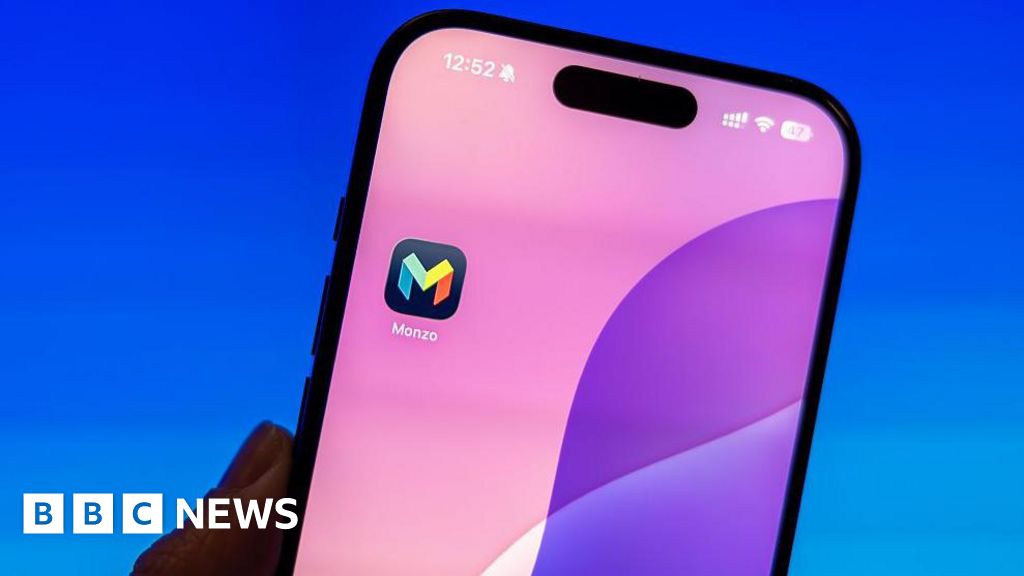
Platform outage monitor Downdetector recorded more than 4,000 reports from Monzo users experiencing difficulties, indicating a significant impact on the bank’s operations. Customers attempting to open their Monzo app were met with a notice stating, "we’re experiencing issues," and were informed that the application would "not be fully functional" while the company investigated the root cause. This immediate communication, while reassuring some, left many others anxious about the status of their finances and ability to conduct essential banking activities.
In a subsequent statement confirming the resolution, a Monzo spokesperson announced that "customers can now use the app as normal." The company elaborated on its contingency measures, explaining that for "a short period today, we activated Monzo Stand-in – our fully independent backup bank – while we investigated an issue." This activation, according to Monzo, ensured that "customers were always able to make payments with their card, withdraw cash, freeze their card and send and receive bank transfers." The invocation of Monzo Stand-in highlights the bank’s investment in resilient infrastructure, designed to mitigate the impact of such outages and maintain core service functionality even during primary system disruptions.
However, the bank’s assurances that core services remained operational were met with skepticism and frustration by a segment of its customer base who took to social media platforms, particularly X (formerly Twitter), to voice their grievances. Despite the official communication stating that functions like viewing account details and moving money between accounts would be available, many users reported a much more severe inability to access their funds or conduct transactions. Posts seen by the BBC detailed complaints from users who claimed they could not view their current balance, review recent payments, or initiate bank transfers. Even more critically, some X users directly told Monzo that they had been unable to use their cards for purchases or withdraw cash from ATMs, directly contradicting the bank’s statement about continuous card and withdrawal functionality. The BBC has since reached out to Monzo for further comment regarding these specific and serious complaints, underscoring the discrepancy between the bank’s official narrative and the lived experience of some customers.
This incident, though swiftly resolved, underscores the profound reliance modern consumers place on mobile banking applications for managing their daily finances. Monzo, with over 14 million personal and business customers across the UK, has built its reputation on convenience, accessibility, and a seamless digital experience. Its innovative approach to banking has attracted a vast user base, making any disruption to its services a high-profile event with significant potential to impact daily life for millions.
The company has previously championed its robust back-up banking infrastructure, specifically mentioning its "Stand-in" system, as a key differentiator designed to prevent large-scale outages and ensure uninterrupted service. This emphasis on resilience came in the wake of a series of online outages that plagued other major UK banks last year, causing significant inconvenience and financial stress for their customers. A notable incident saw approximately 1.2 million people in the UK affected by banking outages occurring on what was a critical payday for many in early 2025, highlighting the severe consequences when digital financial services fail. Such events place immense pressure on banks to maintain impeccable system stability and transparent communication.
The technical intricacies behind such an outage can be complex, often stemming from issues like server overload, software bugs, network failures, or problems with third-party service providers. While Monzo did not immediately disclose the specific technical cause of Tuesday’s disruption, the activation of "Monzo Stand-in" suggests a significant fault within its primary operational systems that necessitated a complete system switchover. The "Stand-in" system functions as a fully independent parallel banking infrastructure, allowing Monzo to reroute critical banking operations away from a failing primary system. This architectural choice is designed to minimise downtime and ensure that core functions like payment processing and balance inquiries remain available, even if the user-facing mobile app experiences issues. However, the reported discrepancies between Monzo’s statement and customer experiences suggest that the transition to the Stand-in system, or its full functionality, might not have been as seamless for all users as intended.
For customers, even a short period of inaccessible banking services can cause considerable stress and inconvenience. In a society increasingly reliant on digital payments and instant access to funds, being unable to view one’s balance or make a critical payment can disrupt travel plans, delay essential purchases, or even lead to missed bill payments. The anxiety associated with not knowing the status of one’s money, especially during an outage, can erode trust in financial institutions, regardless of their reputation for innovation. For those who reported being unable to use their cards or withdraw cash, the situation would have been particularly dire, effectively leaving them without immediate access to their funds at a critical moment.
The incident serves as a stark reminder of the delicate balance fintech companies must strike between rapid innovation and unyielding stability. While Monzo has been at the forefront of digital banking, its continued success hinges not only on user-friendly features but also on the rock-solid reliability of its underlying technology. Regulators, including the Financial Conduct Authority (FCA) and the Prudential Regulation Authority (PRA), closely monitor operational resilience within the financial sector, imposing stringent requirements on banks to minimise service disruptions and protect consumers. Repeated or prolonged outages can lead to significant regulatory scrutiny, fines, and reputational damage.
Moving forward, Monzo will likely conduct a thorough internal review of the incident to identify the precise cause and implement measures to prevent recurrence. Transparency regarding the findings of such an investigation could further help to rebuild any trust potentially lost during the outage. As mobile banking continues to evolve and integrate deeper into daily life, the expectation for flawless service will only intensify. This latest incident, though resolved, underscores the continuous challenge for all financial institutions to ensure their digital infrastructure is not only cutting-edge but also unfailingly robust, capable of withstanding unexpected technical challenges while maintaining seamless service for their millions of customers.



 George Anjay
 Ramos Leo

 atisusanti