
 Ramos Leo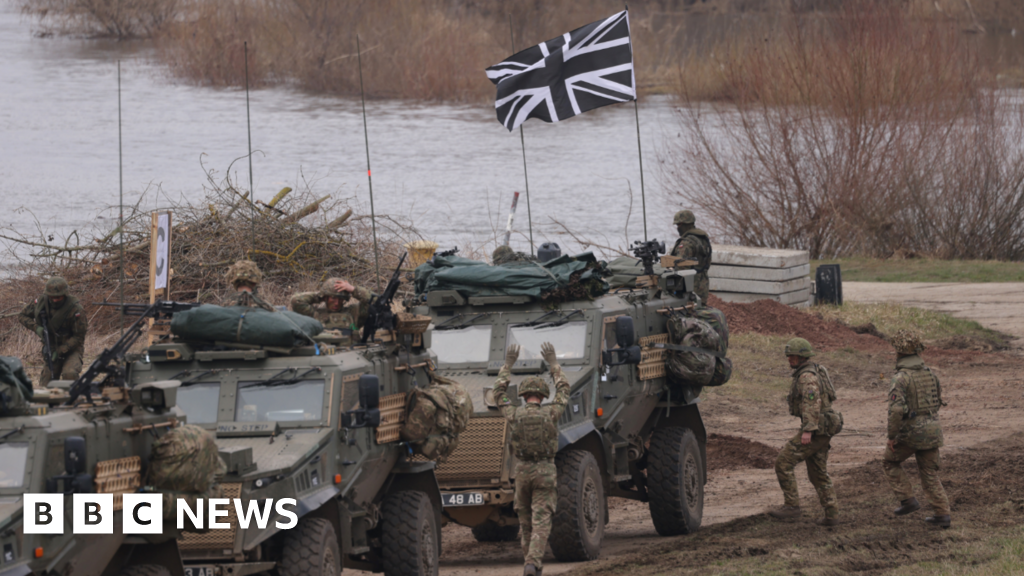
This announcement comes amidst intensified diplomatic efforts, highlighted by a joint declaration from the United Kingdom and France, reiterating their mutual commitment to the deployment of troops. The stated purpose of these potential deployments is to deter Russia from any future aggression against Ukraine, should a comprehensive peace deal be successfully negotiated and agreed upon by all parties. While Sir Keir did not specify the exact number of British troops that might be committed to such a mission, he assured MPs that any deployment would be "in accordance with our military plans," implying a detailed and strategic assessment would precede any decision.
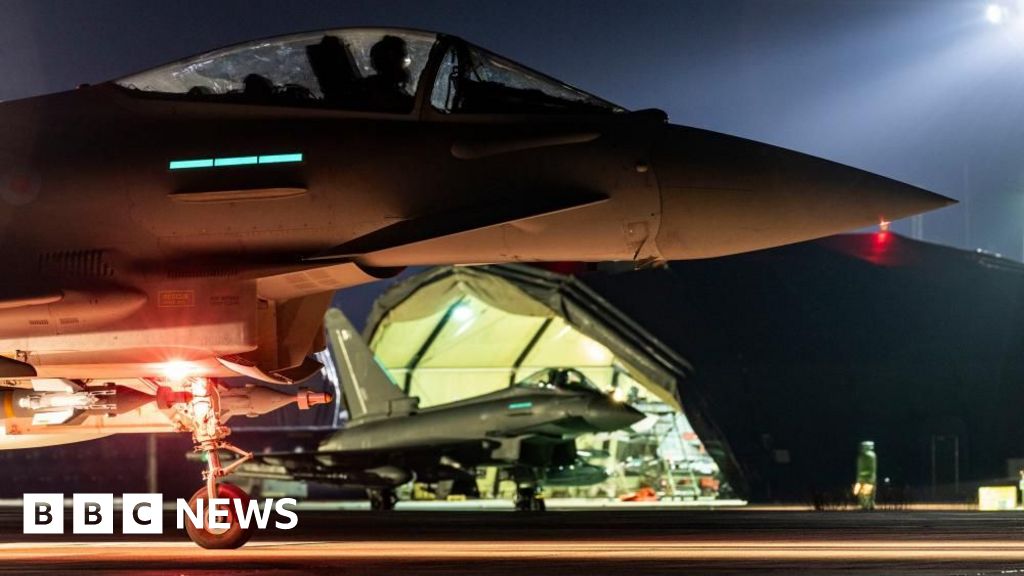
During a session of Prime Minister’s Questions, Starmer further elaborated on the potential roles for British personnel in a post-agreement Ukraine. He indicated that UK forces would engage in "deterrence operations," a multifaceted strategy designed to prevent renewed hostilities and maintain stability. Additionally, these troops would be responsible for protecting new military "hubs" that allied nations are currently planning to construct within Ukraine. These hubs are envisioned as vital logistical, training, and operational centres, crucial for supporting Ukraine’s long-term security and defence capabilities. The nature of these deterrence operations could range from robust monitoring and intelligence gathering to maintaining a visible military presence, capable of rapid response to any breaches of a peace agreement. The military hubs, meanwhile, would likely serve as focal points for international security cooperation, potentially housing equipment, providing training for Ukrainian forces, and facilitating coordinated responses to security threats.
While the Prime Minister confirmed the necessity of a parliamentary vote, he did not initially specify whether this vote would occur prior to the actual deployment of troops. However, his press secretary later clarified to reporters that Parliament would indeed have a decisive say ahead of any "long-term deployment" of UK forces. This distinction between long-term and potential short-term or emergency deployments could prove to be a point of contention, raising questions about the threshold for parliamentary oversight. The press secretary, however, refrained from commenting on whether a Commons vote would be legally binding, thereby "tying the government’s hands" if MPs were to reject the proposed deployment. This nuanced position reflects the ongoing debate in the UK about the constitutional conventions surrounding parliamentary approval for military action, where while a vote is often considered politically indispensable, its legal enforceability can vary. Typically, such votes are advisory, but the political fallout of ignoring a parliamentary rejection would be immense for any government.
The foundation for this potential deployment was significantly strengthened on Tuesday when the UK and France formally signed a "declaration of intent." This landmark statement outlines a framework for deploying troops in Ukraine across multiple domains: air, land, and sea. Crucially, the declaration explicitly states that Ukraine would authorise the UK, France, and other allied nations to employ "necessary means, including the use of force" within its sovereign territory. This clause is highly significant, as it provides a legal and political basis for international forces to act decisively to uphold a peace agreement, potentially even involving combat operations if deterrence fails or the agreement is violated. Such an authorisation would be a cornerstone of any robust security guarantee, transforming a passive monitoring role into an active enforcement capability.
This Franco-British initiative is part of a broader, nine-month-long series of planning talks involving a group of countries, informally dubbed the "Coalition of the Willing." These discussions have focused intensely on devising a comprehensive package of security guarantees to be offered to Ukraine in the event of a peace deal. These guarantees are distinct from, though intertwined with, separate negotiations aimed at ending the war itself. The Coalition of the Willing comprises key international players committed to ensuring Ukraine’s long-term security and preventing future Russian aggression. Their discussions have covered a wide array of potential support mechanisms, from advanced military aid and intelligence sharing to rapid response capabilities and mutual defence clauses.
A central element of these security arrangements, as widely agreed among allies, is the proposal for the United States to take a leading role in monitoring any future truce. The indispensable involvement of the United States, with its unparalleled military, intelligence, and diplomatic capabilities, is seen as critical to the credibility and effectiveness of any peace enforcement mechanism. Sir Keir himself underscored this point, stating unequivocally that a deal to end the war "will not happen" without such robust security guarantees firmly in place and "backed by the United States." This highlights the consensus that only a strong, internationally-backed framework, with American leadership, can provide Ukraine with the confidence necessary to negotiate a lasting peace.
The strategic rationale behind these security guarantees is multifaceted. Firstly, they aim to provide Ukraine with a credible deterrent against future Russian aggression, thereby creating a stable environment for post-conflict recovery and reconstruction. Secondly, they are designed to give Ukraine the assurance it needs to make difficult concessions in any peace negotiations, knowing that its sovereignty and territorial integrity will be safeguarded. Without such guarantees, Ukraine might be reluctant to agree to any terms that could leave it vulnerable to a repeat invasion. The concept of "deterrence operations" envisioned by Starmer would thus be part of this larger architecture, aiming to maintain a robust international presence on Ukrainian soil, ready to respond to any threats.
The proposed deployment of British troops, under parliamentary scrutiny, represents a significant commitment to European security and a strong signal of solidarity with Ukraine. While the precise details remain subject to ongoing diplomatic negotiations and military planning, the principle of parliamentary approval for such a sensitive mission is a crucial element of democratic governance. The discussions surrounding troop numbers, the exact nature of "deterrence operations," and the legal enforceability of a parliamentary vote will continue to be central as these plans evolve. The international community, led by the UK, France, and the US, is clearly aiming to construct a robust post-conflict security framework for Ukraine, designed to prevent a recurrence of the devastating war and pave the way for a more stable and secure future for the region. The path ahead involves complex negotiations, careful military planning, and the essential democratic oversight that Keir Starmer has pledged.


 atisusanti
 Nakalama John
 George Anjay
 Roy Suryo