Nana Banana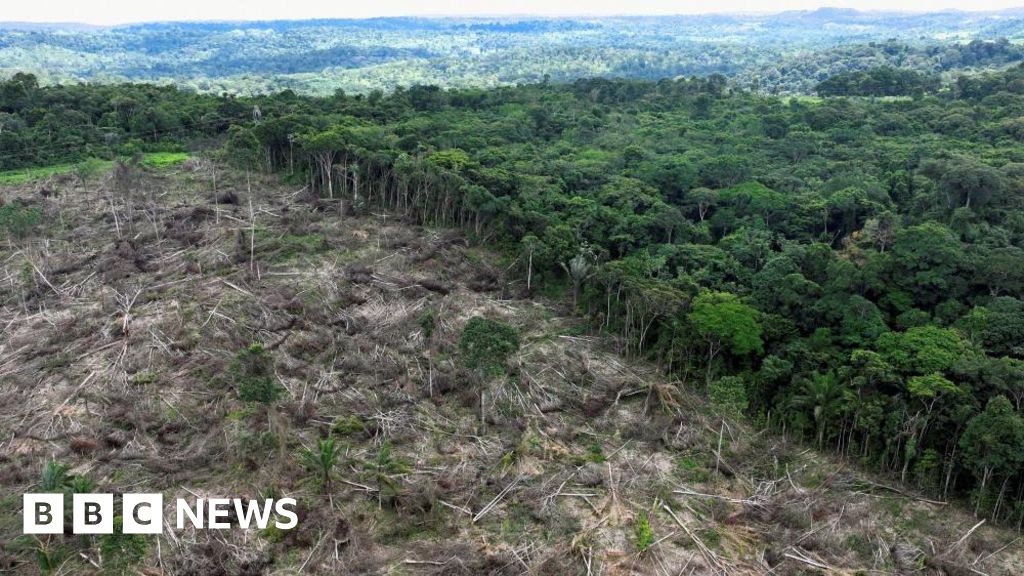
The 14-page report, officially published by the Department for Environment, Food and Rural Affairs (Defra), carries exceptional weight due to its origins. While Defra is the publishing body, sources indicate that the core analysis and compilation were undertaken by the Joint Intelligence Committee. The JIC is the apex body for intelligence assessment in the UK, responsible for providing intelligence to the Prime Minister and senior ministers. Its involvement elevates the issue of nature loss from a purely environmental concern to a strategic national security imperative, placing it on par with traditional threats such as terrorism, cyber warfare, and state-sponsored aggression. The report’s methodology is robust, drawing upon a synthesis of cutting-edge scientific research and expert judgment to model a "reasonable worst-case scenario" for the impacts of global nature loss on the UK. This foresightful approach aims to equip policymakers with a proactive understanding of potential future crises, rather than reacting to them retrospectively.
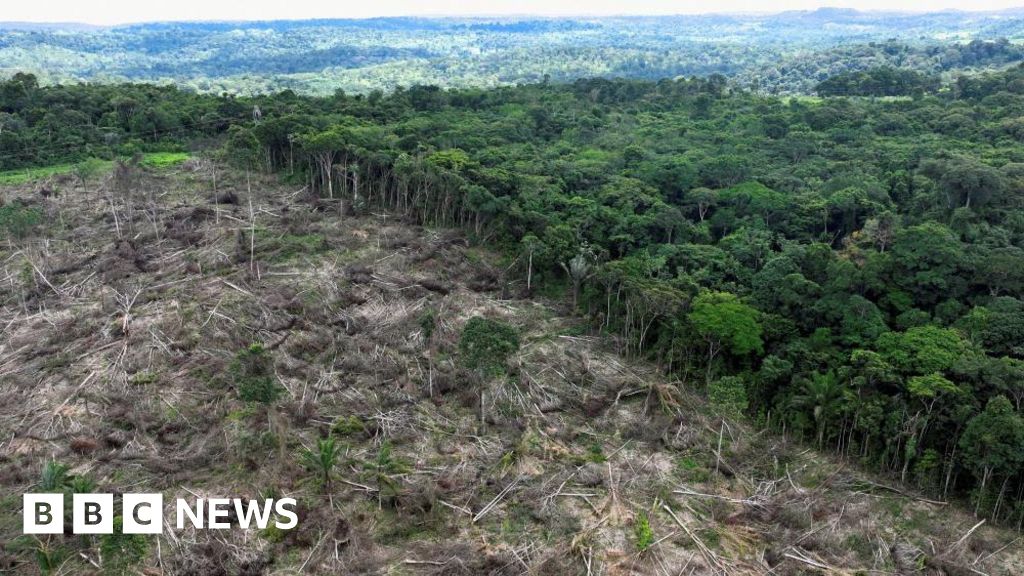
Central to the report’s alarming conclusions is the identification of six critical ecosystem regions whose degradation poses an existential threat to UK national security. These include the vast rainforests of the Amazon and the Congo Basin, often referred to as the "lungs of the Earth" for their critical role in global climate regulation and biodiversity; the expansive boreal forests spanning Russia and Canada, which act as immense carbon sinks; the fragile coral reefs and vital mangrove forests of Southeast Asia, crucial nurseries for marine life and natural coastal defenses; and the towering Himalayas, a "water tower" for billions across Asia. The report grimly asserts that these ecosystems are currently "on a pathway to collapse" if current rates of habitat destruction, pollution, and climate change-induced degradation persist. While acknowledging the inherent uncertainties in predicting the exact timing and duration of such collapses, the report underscores that the trajectory is clear and dire without urgent intervention. The implications are not confined to distant lands; the interconnectedness of global systems means the repercussions will inevitably cascade onto the UK.
The intelligence assessment meticulously outlines a range of cascading impacts that could directly affect the UK. Foremost among these is the increased risk of conflict and geopolitical competition. As arable land degrades, freshwater sources dwindle, and resource scarcity intensifies, nations may be driven to compete aggressively for diminishing assets, potentially sparking regional conflicts that could draw in international actors, including the UK. Simultaneously, mass migration is predicted to surge as climate and ecological refugees are displaced from uninhabitable regions, placing immense humanitarian and logistical pressures on receiving nations and exacerbating social and political tensions. Furthermore, the report highlights an elevated risk of future pandemics. The destruction of natural habitats forces wildlife into closer proximity with human populations, increasing the likelihood of zoonotic spillover events – the transmission of diseases from animals to humans, as widely suspected in the origins of recent global health crises like COVID-19. Beyond these, the economic insecurity for the UK would be profound, disrupting global supply chains, diminishing natural capital services like pollination and water purification, and undermining industries reliant on healthy ecosystems, from fisheries to pharmaceuticals.
Perhaps the most potent warnings are reserved for the potential consequences for UK food supplies. The report explicitly states that ecosystem degradation or collapse "will challenge the UK’s food security." The UK, despite its advanced economy, remains highly reliant on global markets for a significant proportion of its food and essential agricultural inputs, such as fertilisers. If major food-producing regions, already vulnerable to climate change-induced extreme weather events like droughts and floods, experience ecosystem collapse, the resulting supply shocks would trigger unprecedented global price hikes. This would lead to scarcer food items, restricted consumer choice, and a severe cost-of-living crisis for UK households, a point powerfully echoed by Gareth Redmond-King, head of international programme at the Energy and Climate Intelligence Unit, who noted, "This is a cost-of-living crisis, driving up food prices on supermarket shelves for UK households." The report’s sobering analysis also concludes that the UK is "unable" to achieve food self-sufficiency under current dietary patterns and price structures. Achieving full self-sufficiency would necessitate "very substantial price increases" for consumers, alongside drastic shifts in agricultural practices and consumer habits. However, the report does offer a glimmer of hope, suggesting that technologies such as regenerative agriculture and lab-grown protein could offer pathways to enhanced food resilience, provided they receive substantial further research and investment.
In response to these grave warnings, a Defra spokesperson reiterated that "The UK has a resilient food system and remains one of the most food-secure nations in the world," attributing this resilience to access to international trade and diverse supply chains. While acknowledging this, the intelligence report’s emphasis on global systemic collapse suggests that even diversified supply chains would struggle to withstand widespread ecological breakdown. The publication of the report itself was not without controversy. Initially slated for release in October, it faced significant delays. The Times newspaper reported that Downing Street had allegedly blocked its release, fearing its "negative" tone. A government source did not dispute this interpretation when questioned by BBC News, underscoring the political sensitivities surrounding the candid assessment of environmental threats.
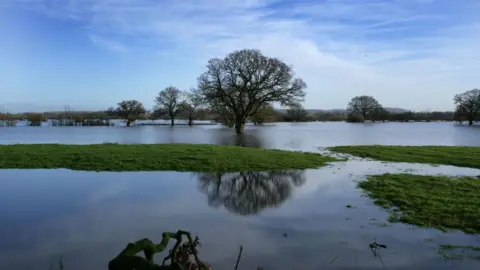
The delay and the report’s findings arrive amidst growing criticism from environmental groups, who accuse the government of backsliding on its commitments to nature protection. At the COP30 climate summit in Brazil, for example, the UK notably failed to commit public funds to Brazil’s "Tropical Forests Forever Facility," a flagship initiative designed to protect these vital ecosystems. While the government cited economic pressures and expressed hopes for future contributions, as well as encouraging private sector investment, critics viewed this as a significant missed opportunity to demonstrate leadership. Furthermore, in December, the government faced accusations of loosening environmental protections to accelerate house building, particularly concerning nutrient neutrality regulations designed to protect vulnerable aquatic habitats. These actions, say green groups, send mixed signals and undermine the UK’s stated ambitions. The government, however, points to its significant investments in flood defences and funds aimed at supporting sustainable food production as evidence of its ongoing efforts to mitigate the impacts of climate change and nature loss within the UK.
Globally, the scientific consensus is unequivocal: biodiversity is plummeting at an unprecedented rate, driven primarily by habitat loss, climate change, invasive species, pollution, and overexploitation. A landmark UN report in 2019 by the Intergovernmental Science-Policy Platform on Biodiversity and Ecosystem Services (IPBES) warned that the rate of change in nature worldwide since 1970 "is unprecedented in human history," estimating that a staggering one million animal and plant species were threatened with extinction. The intelligence community’s latest warning serves as a stark reminder that this ecological crisis is not merely an environmental concern but a profound and multifaceted threat to national and international security. It demands an integrated, urgent, and sustained response that transcends traditional policy silos, recognizing that the health of our planet is inextricably linked to the stability and prosperity of nations.


 George Anjay
 Ramos Leo
 Nakalama John