
 Nana Banana
Authored by climate researcher Mark Poynting, the original insights underscored the UK’s profound reliance on crucial ecosystems worldwide, many of which are now deemed to be "on a pathway to collapse," such as the Amazon rainforest. This precarious dependence, the report highlights, could directly translate into escalating food prices within the UK and severely compromise the nation’s overall food security. In response to the alarming findings, the government acknowledged nature’s foundational role in underpinning the UK’s security and prosperity, stating that the report would be instrumental in its future planning and preparedness strategies.
The comprehensive 14-page report, officially released by the Department for Environment, Food and Rural Affairs (Defra), holds significant weight due to its origins. The BBC understands that the analysis was primarily compiled by the Joint Intelligence Committee (JIC), the principal body responsible for assessing intelligence and advising the Prime Minister and senior ministers on national security issues, with additional input from various government departments. The JIC’s involvement elevates the report from a mere environmental assessment to a strategic national security concern, signaling that environmental degradation is no longer a peripheral issue but a central threat requiring top-level attention.
Drawing extensively on cutting-edge scientific research and expert judgment, the report meticulously evaluates a "reasonable worst-case scenario" regarding the potential impacts of nature loss on the UK’s national security. This methodology, common in intelligence assessments, does not predict a certainty but outlines a plausible, high-impact future if current trends continue unchecked, urging proactive measures.
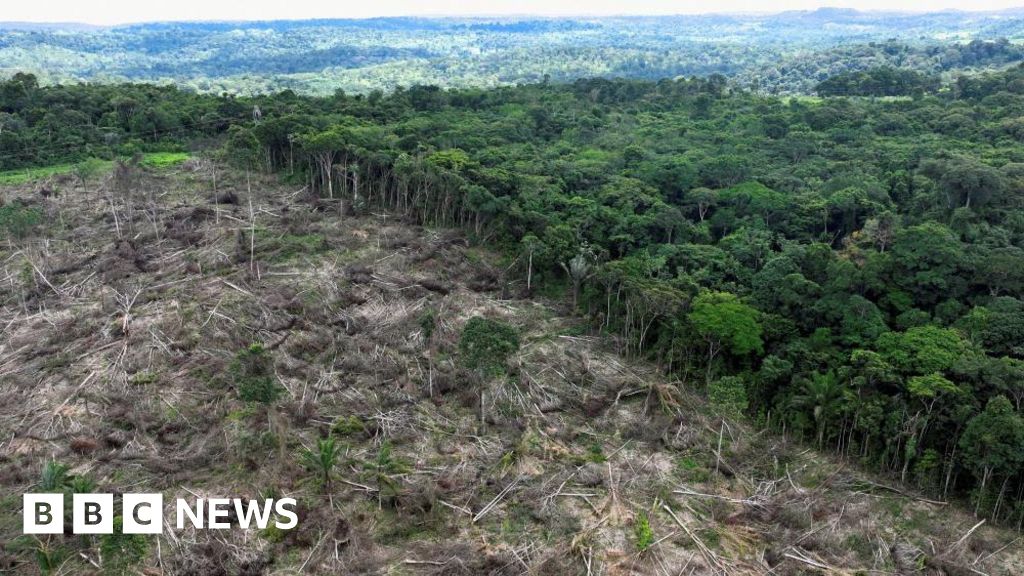
Central to the report are six specific ecosystem regions identified as "critical for UK national security." These areas were chosen based on a dual assessment: the high likelihood of their collapse and the severe, far-reaching consequences such a collapse would entail. These include the vast and biologically rich rainforests of the Amazon and the Congo basin, crucial for global climate regulation and biodiversity; the extensive boreal forests spanning Russia and Canada, massive carbon sinks vital for atmospheric stability; the delicate coral reefs and protective mangrove systems of South East Asia, which shield coastlines and support marine life; and the majestic Himalayas, a "water tower" for billions in Asia.
These diverse ecosystems are described as being on a "pathway to collapse" if the current relentless rates of nature loss persist. While the exact timeline for such a collapse – and the duration of the process – remains inherently uncertain, the report implicitly warns against complacency, suggesting that ecological tipping points could be reached with potentially irreversible consequences. The intelligence community’s assessment underscores that the cumulative pressures of deforestation, pollution, climate change, and habitat destruction are pushing these systems beyond their resilience limits.
The report meticulously details several potential profound impacts on the UK’s security stemming from widespread ecosystem degradation and outright collapse. Beyond the direct environmental consequences, it foresees a future marked by increased global migration flows, as communities displaced by uninhabitable land, water scarcity, or resource conflicts seek new homes. This mass movement could strain international relations, challenge border security, and exacerbate social tensions globally. Geopolitical competition for diminishing natural resources, particularly fertile land and fresh water, is also predicted to intensify, potentially sparking new flashpoints and conflicts.
Furthermore, the report highlights a higher risk of future pandemics. As natural habitats are destroyed, human-wildlife interfaces expand, increasing the likelihood of zoonotic disease spillover events – pathogens jumping from animals to humans. The recent experience with COVID-19 serves as a stark reminder of the global economic and societal disruption such events can cause, underscoring the urgent need to preserve biodiversity and intact ecosystems as a buffer against future health crises. Economic insecurity, already a pressing concern, would be compounded by disruptions to global supply chains, increased commodity prices, and the erosion of natural capital that underpins many industries.
Perhaps the most emphatic warnings in the report are reserved for the potential consequences for UK food supplies. It unequivocally states that ecosystem degradation or collapse "will challenge the UK’s food security." This vulnerability stems from the UK’s significant reliance on global markets not only for a substantial portion of its food but also for critical agricultural inputs like fertilisers. Should major food-producing regions across the globe be severely impacted by environmental collapse – through prolonged droughts, unprecedented floods, or pest outbreaks exacerbated by climate change – specific food items would become scarcer. This scarcity would inevitably drive up prices globally, directly affecting UK households and potentially restricting consumer choice.
The report also confronts the notion of national food self-sufficiency, warning that the UK is "unable" to achieve it at present based on prevailing diets and market prices. Pursuing full self-sufficiency, it adds, would necessitate "very substantial price increases" for consumers, likely leading to a significant cost-of-living crisis. While acknowledging these challenges, the report does offer a glimpse of hope, suggesting that certain innovative technologies and practices, such as regenerative agriculture or the development of lab-grown protein, could offer pathways to enhanced food security, provided there is sufficient research and investment. Regenerative agriculture, for instance, focuses on improving soil health, biodiversity, and water management, making farming systems more resilient to climate shocks.
Gareth Redmond-King, head of international programme at the Energy and Climate Intelligence Unit, echoed the report’s concerns, noting that weather extremes, increasingly fuelled by climate change, are already severely impacting food production in various parts of the world. "This is a cost-of-living crisis, driving up food prices on supermarket shelves for UK households," he commented, connecting global ecological degradation directly to everyday economic pressures faced by ordinary citizens.
In an official response to the intelligence report, a Defra spokesperson reiterated, "The UK has a resilient food system and remains one of the most food-secure nations in the world." They highlighted the nation’s access to international trade for food products that cannot be domestically produced, emphasizing that this diversification "supplements domestic production and ensures that any disruption from risks such as adverse weather or disease do not affect the UK’s overall security of supply." This statement, while reassuring, stands in contrast to the intelligence committee’s more urgent tone regarding future vulnerabilities.
The report’s journey to publication was not without controversy. It was initially slated for release in October but experienced a significant delay. The Times newspaper reported that Number 10 Downing Street had blocked its publication, citing fears that its findings might be perceived as overly negative. A government source, when questioned by BBC News, did not dispute this interpretation, fueling accusations from various green groups that the government might be retreating from its earlier pledges to protect nature. Critics point to perceived cuts in environmental funding and a perceived lack of ambitious policy as evidence of this shift.
Conversely, the government counters these criticisms by citing economic pressures and reaffirming its commitment to environmental protection. It states its intention to contribute to international environmental funds in the future and actively encourage private sector investment in conservation efforts. Furthermore, the government highlights its substantial investments in flood defences and dedicated funds aimed at supporting sustainable food production within the UK as tangible evidence of its ongoing efforts to shield the nation from the escalating impacts of climate change and nature loss.
Despite these efforts, the global picture of biodiversity remains bleak. Conservation efforts worldwide are struggling to stem a rapid deterioration, driven predominantly by habitat loss, the accelerating pace of climate change, the spread of invasive species, pollution, and unsustainable resource exploitation. A landmark UN report published in 2019 delivered a sobering assessment, warning that the rate of change in nature globally since 1970 "is unprecedented in human history." That report tragically estimated that a staggering one million animal and plant species are currently threatened with extinction, painting a grim portrait of a planet under immense ecological stress. The intelligence community’s latest warning serves as a stark reminder that this environmental crisis is not merely an ecological concern, but a fundamental challenge to national and international security.



 Ramos Leo
 atisusanti
 Nakalama John
 George Anjay

 Roy Suryo