
 Nakalama John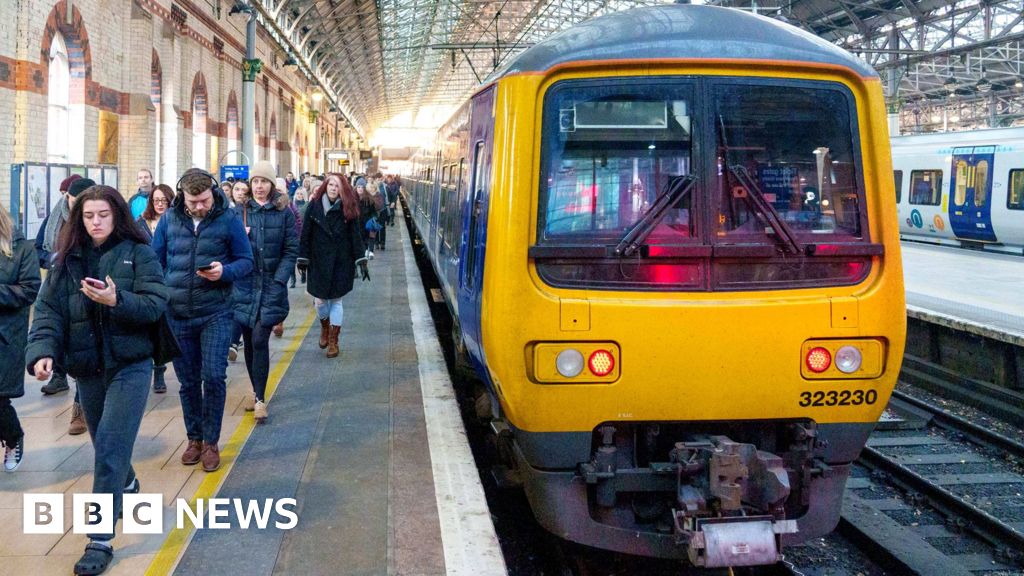
The government is poised to announce its firm intention to construct a brand-new rail link connecting the crucial economic hubs of Birmingham and Manchester, the BBC understands. This forthcoming declaration, expected on Wednesday, marks a significant, albeit long-term, shift in the UK’s infrastructure strategy, coming just months after a controversial decision to abandon a major portion of the HS2 high-speed rail project that would have previously served this very corridor.
The original vision for HS2, conceived as a transformative spine of high-speed connectivity across Britain, explicitly included a northern leg that would have linked Birmingham directly with Manchester, extending further north to cities like Leeds. However, in a highly contentious move last October, Prime Minister Rishi Sunak’s government dramatically curtailed the project, citing escalating costs and delays. The decision to scrap the HS2 leg north of Birmingham, particularly the Manchester branch, drew widespread condemnation from business leaders, local authorities, and opposition politicians across the North, who argued it betrayed a promise to level up the country and integrate its regional economies. The government at the time justified its decision by redirecting funds into what it termed "Network North," a package of smaller, more localized transport improvements, asserting this would deliver more immediate and widespread benefits.
Now, merely months after that retraction, the government appears to be acknowledging the strategic importance of this inter-city connection once more. However, the details emerging suggest a cautious, long-horizon approach. Beyond the mere intention to build, little concrete information regarding the new Birmingham to Manchester route is anticipated in Wednesday’s announcement. Crucially, any construction is projected to commence only after the completion of Northern Powerhouse Rail (NPR), a separate but equally ambitious scheme aimed at revolutionizing transport across the North of England. This sequencing implies that the proposed Birmingham-Manchester link may not materialise for several decades, raising questions about its immediate impact and the political will required to see such a long-term project through various future governments.
Northern Powerhouse Rail, a concept first championed by former Conservative chancellor George Osborne in 2014, is itself a colossal undertaking. Its core objective is to drastically cut travel times between major northern cities and towns, fostering greater economic integration and boosting productivity across the region. A new, dedicated rail line between Liverpool and Manchester is widely regarded as a central, foundational piece of the overall NPR project. The overarching aim of NPR is to unlock the economic potential of the North, creating a more cohesive and competitive economic zone outside the traditional dominance of London and the South East. By improving rail links, proponents argue, businesses will find it easier to connect, skilled labour will be more mobile, and investment will be more readily attracted to northern cities.
However, the path to delivering NPR has been anything but smooth. Expected announcements and detailed plans for the project were repeatedly postponed throughout last year, primarily due to persistent and escalating cost concerns. These delays have fuelled anxieties that NPR, much like its troubled predecessor HS2, could become mired in financial difficulties and protracted timelines. Insiders familiar with the ongoing deliberations within government have indicated that an extensive and rigorous review process of the NPR project is currently underway. This review is explicitly designed to identify and mitigate the systemic mistakes and planning deficiencies that have plagued HS2, ensuring a more disciplined approach to cost control and project delivery.
The cautionary tale of HS2 looms large over any new rail infrastructure proposal in the UK. The project, initially envisioned as a flagship initiative to modernize the nation’s transport network and stimulate regional growth, has been dogged by problems since its inception. It is currently tens of billions of pounds over its original budget and is running approximately a decade behind its initial schedule. Reports indicate that the now-shortened HS2 line, connecting only London and Birmingham, could still cost an eye-watering £81 billion. When adjusted for inflation, this figure is expected to surpass £100 billion, yet it will deliver a mere 135 miles of new railway. This stark cost-to-mileage ratio has become a significant point of contention and criticism, undermining public confidence in large-scale infrastructure projects.
HS2 Ltd, the company specifically established by the Department for Transport to manage the project, has publicly acknowledged its failures in maintaining overall cost control. The company has also conceded that its delivery has fallen far short of what it described as "unrealistic early expectations." Critics point to a myriad of factors contributing to HS2’s woes, including optimistic initial cost estimates, significant land acquisition challenges, complex engineering hurdles, and changes in project scope and political direction. The spiralling costs and delays have not only strained the public purse but have also inflicted damage on the UK’s reputation for delivering major infrastructure projects efficiently.
The proposed Birmingham-Manchester link, therefore, emerges from a complex and often troubled backdrop. While the strategic rationale for connecting these two major cities remains robust, the government’s cautious approach, particularly the "decades away" timeline, suggests a recognition of the financial and logistical complexities involved. The economic benefits of such a link, when eventually realised, could be substantial. Enhanced connectivity between Birmingham, a growing economic powerhouse in the Midlands, and Manchester, the vibrant heart of the North, would facilitate greater trade, investment, and collaboration. It would shorten business travel times, encourage talent mobility between the regions, and potentially alleviate pressure on already congested road networks. Furthermore, a modern, efficient rail link aligns with broader environmental goals by offering a greener alternative to car and short-haul air travel.
However, the challenges are equally formidable. Securing the necessary long-term funding, navigating complex planning and environmental regulations, and maintaining political consensus across multiple electoral cycles will be critical. The public, already wary after the HS2 experience, will likely demand greater transparency and accountability from the outset. Regional leaders and businesses will undoubtedly welcome the intention but will be scrutinizing the government for concrete timelines, detailed plans, and robust funding commitments, rather than just aspirational pronouncements. The announcement on Wednesday will thus be a delicate balancing act for the government: attempting to reassure the North of its commitment to regional connectivity while simultaneously managing expectations given the considerable hurdles and the distant horizon for delivery. It represents a potential renewal of a vital strategic link, but one whose journey from proposal to reality will be long, arduous, and subject to intense scrutiny at every stage.



 George Anjay
 Ramos Leo

 atisusanti