
 Ramos Leo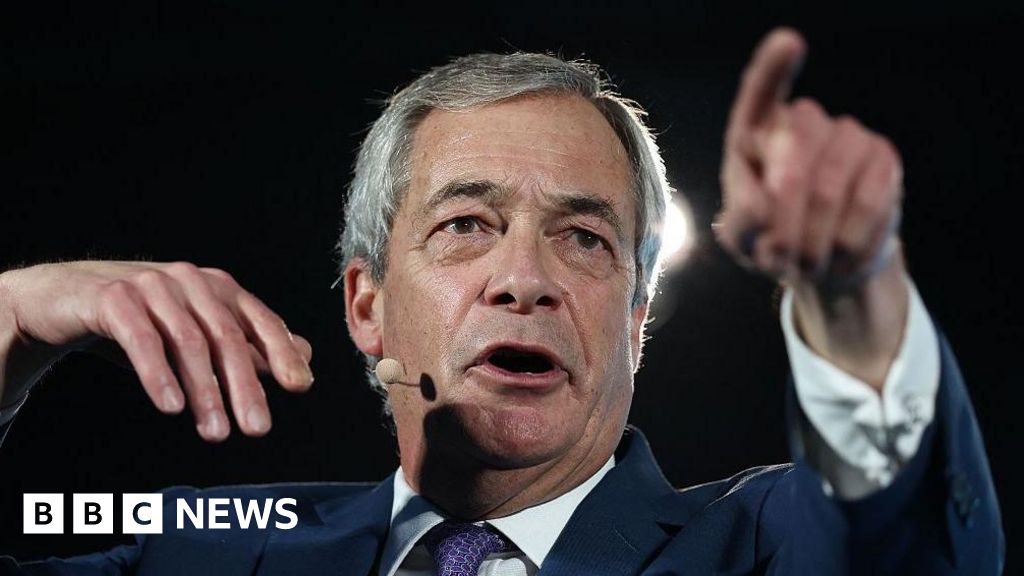
The controversy reached a head on Tuesday when Darren Millar, leader of the Welsh Conservatives in the Senedd, took decisive action. He announced that Evans had been removed from his senior role as the Welsh Conservative shadow health spokesman and had the party whip withdrawn. Millar’s statement indicated that the move was necessitated by Evans’ continued engagement with Reform representatives regarding a possible defection, despite Evans having given "personal assurances" just days earlier on Friday that he had rejected such an approach. This abrupt dismissal leaves Evans to sit as an independent member in the Welsh Parliament, fundamentally altering the dynamics of the Conservative group in Cardiff Bay.
In the wake of his sacking, James Evans publicly confirmed that his Conservative Party membership had been revoked, stating unequivocally that the Tories no longer represented his values. Taking to Facebook on Tuesday evening, Evans offered his version of events, explaining the sequence that led to his ousting. "I was asked by the chief whip whether I had been in talks with Reform," he wrote, "I gave an honest answer and and said that I had." He clarified that these discussions were primarily focused on "the serious challenges our country faces and the need to ensure we do not end up with a hard left Plaid Cymru/Green Party coalition." This suggests that his motivations, at least in part, stemmed from broader concerns about the future political direction of Wales, rather than purely personal ambition.
However, Evans went further, pointing to an ideological rift as the primary reason for his removal. He asserted, "The whip was removed primarily because I raised serious concerns about the refusal of the UK Conservative Party to recognise the reality that our country is broken. I believe Britain is broken." This powerful statement echoes sentiments expressed by other disgruntled Conservative figures at a UK level, most notably Robert Jenrick, who also recently stirred controversy by suggesting Britain was "broken" before his own reported plans to defect to Reform UK. Evans’ alignment with this narrative highlights a growing fissure within the Conservative movement, where a segment feels the party has lost touch with core conservative principles and is failing to address national crises effectively. He lamented that the party no longer allowed "free speech or criticism," a sentiment that speaks volumes about the internal pressures and lack of ideological flexibility he perceived.
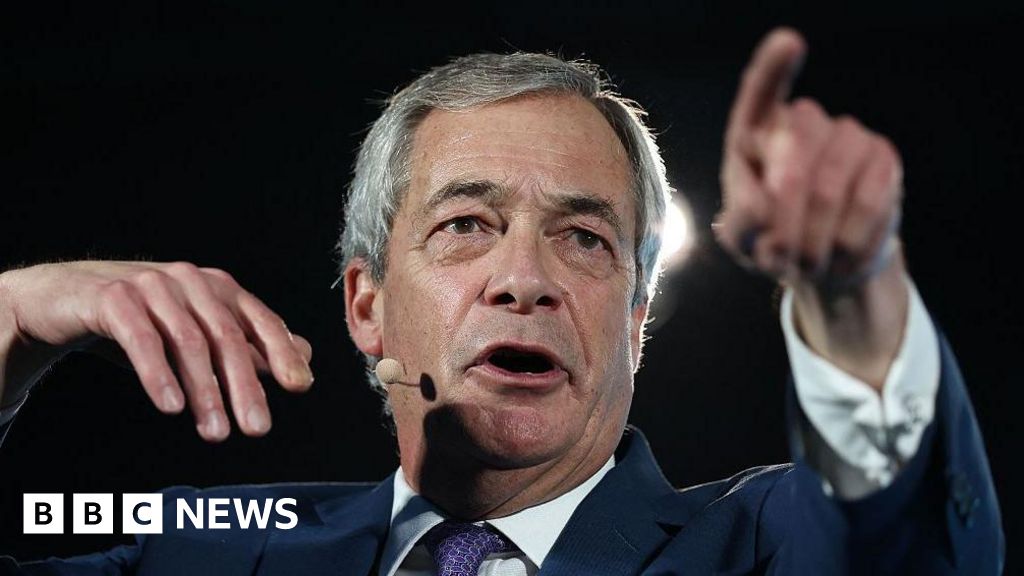
Despite Evans’ admission of talks with Reform representatives, Nigel Farage, the charismatic leader of Reform UK, swiftly distanced himself from direct involvement. Posting on X (formerly Twitter), Farage explicitly rejected claims that he had been in talks with Evans over a defection. "This is not true," Farage stated, "I have not spoken to Mr Evans for a couple of years." This denial adds a layer of intrigue to the saga. While Farage denied personal contact, Reform UK itself declined to comment when asked if anyone else within the party had spoken to Evans about joining. This silence leaves open the possibility that other senior figures or representatives within Reform UK might have engaged in discussions with Evans, even if Farage himself was not directly involved, thus maintaining the credibility of Evans’ claim of having "spoken to Reform."
The events leading up to Evans’ dramatic exit had been brewing for some time, fuelled by "months of rumours" of his interest in Reform. Speculation intensified following a BBC interview on Sunday, where Evans conspicuously criticised UK party minister Kemi Badenoch and notably refused to confirm or deny whether he had spoken to Reform UK. His evasiveness on air, coupled with a subsequent edit to a Facebook post on Monday where he removed a reference to his party, served to amplify the whispers of a potential defection. In that interview, Evans openly challenged Badenoch’s disagreement with Robert Jenrick’s assessment that Britain was broken, stating, "We have to take some level of responsibility for the mess this country is in." He added, "Kemi should reflect on that comment because I don’t think that’s the comment that is being made by the majority of people who support the Conservative Party across the country." This public dissent, particularly concerning such a fundamental ideological point, was a clear indicator of his growing disillusionment.
Ironically, Evans’ current position represents a significant shift from his past views. He had previously been a vocal critic of Reform UK and Nigel Farage. In the summer, when his Senedd Tory colleague Laura Anne Jones joined Reform, Evans accused her of "having no principles." Furthermore, in a Cardiff Bay debate in 2025 (presumably referring to an earlier time frame or projection in the original news source’s context), he reportedly asserted that Farage would "say anything to get a vote." This stark contrast between his previous condemnation and his recent engagement with Reform underscores the depth of his disaffection with the Conservative Party, suggesting that his ideological shift or exasperation had overcome his prior objections to Reform’s platform or leadership.
The political fallout from Evans’ sacking has been immediate and sharp, drawing reactions from across the Welsh political spectrum. Darren Millar expressed profound disappointment, stating, "I was very disappointed and I have to say I feel let down." He also confirmed that UK Conservative frontbencher Kemi Badenoch "fully supports my decision," indicating a unified stance from the party leadership.
First Minister Eluned Morgan, seizing on the internal strife within the Welsh Conservatives, quipped during First Minister’s Questions in the Senedd that there was "more infighting in your party than the Beckham family," and derisively labelled Reform as being full of "failed Tories." Plaid Cymru leader Rhun ap Iorwerth echoed this sentiment, mocking Evans for "flirting with a party he once called unserious with dangerous rhetoric." These comments highlight the perceived hypocrisy and opportunism of Evans’ actions from rival parties, while also painting Reform UK as a refuge for disillusioned Conservatives rather than a distinct political force.
Welsh Labour further capitalised on the situation, declaring that "Reform really are proving themselves to be the biggest recycler of Tories." Liberal Democrat MP David Chadwick joined the chorus, accusing the Tories of being in "complete disarray." Plaid Cymru concluded that if Evans were to ultimately join Reform, it would be "further proof that Reform are just a bunch of ex-Tories who prioritise their careers over solving the issues facing communities across Wales." These reactions collectively underscore the narrative that Reform UK is primarily drawing its strength from disaffected elements of the Conservative Party, rather than building a broad base of support independently.
For the Welsh Conservatives, Evans’ departure is a significant blow. As the shadow health spokesman, he held a crucial portfolio, frequently commenting on the Welsh government’s approach to the NHS. His defection removes a senior and experienced voice from their ranks in the Senedd, potentially creating instability and a need for reshuffling within their shadow cabinet. Furthermore, Evans will no longer be standing for the Tories in the Brycheiniog Tawe Nedd seat for the upcoming Senedd election on 7 May. It is expected that Rosemarie Harris, who was number two on the party list, will now take his place, but the controversy itself could impact the party’s electoral prospects in the region.
As for James Evans himself, he has stated he will take time in the "coming weeks to consider my political future." His options now include formally joining Reform UK, continuing to sit as a genuinely independent member without affiliating with any party, or even stepping back from frontline politics. His decision will undoubtedly be closely watched, not only for its impact on the Welsh political landscape but also as a potential indicator of the broader direction of travel for disenchanted conservatives across the UK. This incident serves as a stark reminder of the ideological tensions currently fragmenting the Conservative Party and the growing allure of Reform UK as an alternative for those who feel the mainstream party no longer represents their core values and beliefs.


 Nakalama John
 George Anjay

 atisusanti