
 George Anjay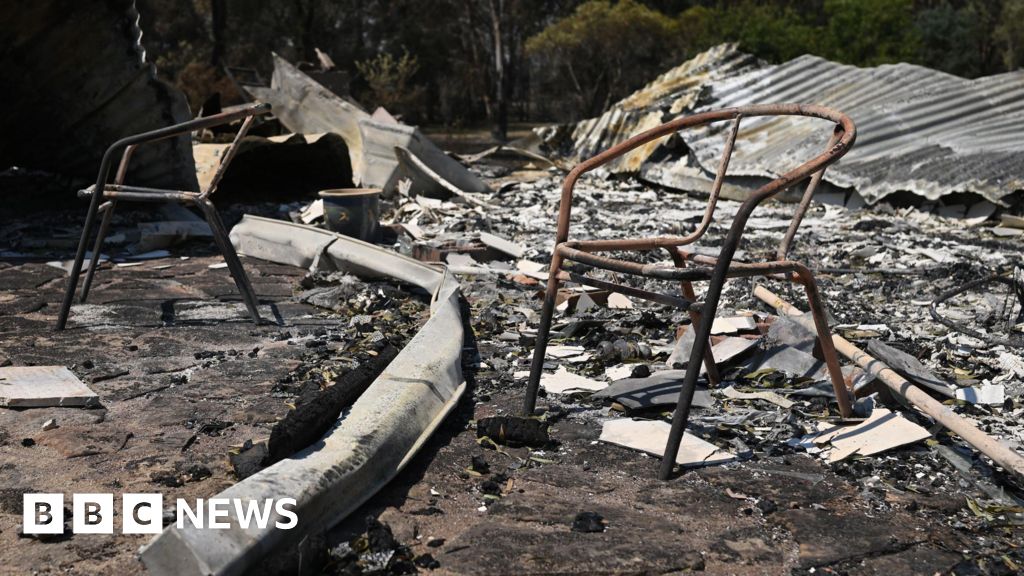
Tragedy has struck south-east Australia as devastating bushfires have claimed at least one life and reduced an estimated 300 homes and buildings to ashes. The infernos have been raging for several days across dozens of locations, with the state of Victoria bearing the brunt of the destruction, alongside significant impact in New South Wales. The sheer scale of the disaster is staggering, with an area almost twice the size of Greater London consumed by flames. In response to the escalating crisis, a state of emergency has been declared in Victoria, mobilizing thousands of dedicated firefighters and deploying over 70 aircraft to combat the relentless blazes. Residents in more than a dozen communities have been issued urgent advisement to evacuate their homes, seeking safety from the encroaching danger. Authorities are gravely concerned that the fires, fanned by exceptionally hot, dry, and windy conditions, could persist for several weeks, prolonging the period of intense risk and destruction.
Victoria’s Premier, Jacinta Allan, provided a stark update on the unfolding situation, revealing that 30 active fires were currently burning across the state, with ten of these posing a particularly grave concern. As of 08:00 local time on Sunday (23:00 GMT on Saturday), an immense 350,000 hectares had already been scorched across the state. "We will see fires continue for some time across the state and that is why we are not through the worst of this by a long way," Premier Allan stated grimly to Australian media outlets. "There are fires that are continuing right now that are threatening homes and property." The human cost of these fires became tragically clear with the discovery of human remains in the village of Gobur, a locality situated near the town of Longwood, approximately 110 kilometers (70 square miles) north of the state capital, Melbourne. Police have confirmed the victim’s identity is yet to be established. Premier Allan extended her profound gratitude to the emergency workers who undertook the difficult and confronting task of retrieving the body, acknowledging the immense emotional toll such work exacts. "This is difficult and confronting work, and it takes a heavy toll," she said, her voice laden with emotion. "The Gobur community is grieving," Premier Allan added, underscoring the profound sadness that has enveloped the affected region. The pervasive smoke emanating from the bushfires has severely impacted air quality across many areas of Victoria, including the metropolitan heart of Melbourne, adding a further layer of distress and health concern for residents. Authorities have emphasized that these fires represent the most severe conflagration to afflict the south-east of Australia since the catastrophic bushfires of 2019-2020. That devastating season saw an area the size of Turkey engulfed by flames and tragically resulted in the deaths of 33 people, a grim benchmark that these current fires are now tragically approaching.
One of the most profoundly affected locations is the small township of Harcourt, nestled within the central highlands of Victoria. Here, firefighter Tyrone Rice recounted the heart-wrenching experience of losing his own home in the relentless blaze. He was actively engaged in battling one of the widespread bushfires when he received the devastating news that his own residence was engulfed in flames. Speaking to Australian media, Rice described the experience as "like a kick in the guts, but I’m not the first person to go through it, and I won’t be the last." His sentiment reflects a broader resilience in the face of unimaginable loss, yet it also highlights the pervasive nature of this disaster, leaving no one untouched. The sheer scale of destruction witnessed in Harcourt was described as "gut-wrenching" by the local fire captain, Andrew Wilson, a sentiment echoed by many in the community who have lost everything. The devastation is not confined to isolated incidents; the destruction is widespread and indiscriminate.
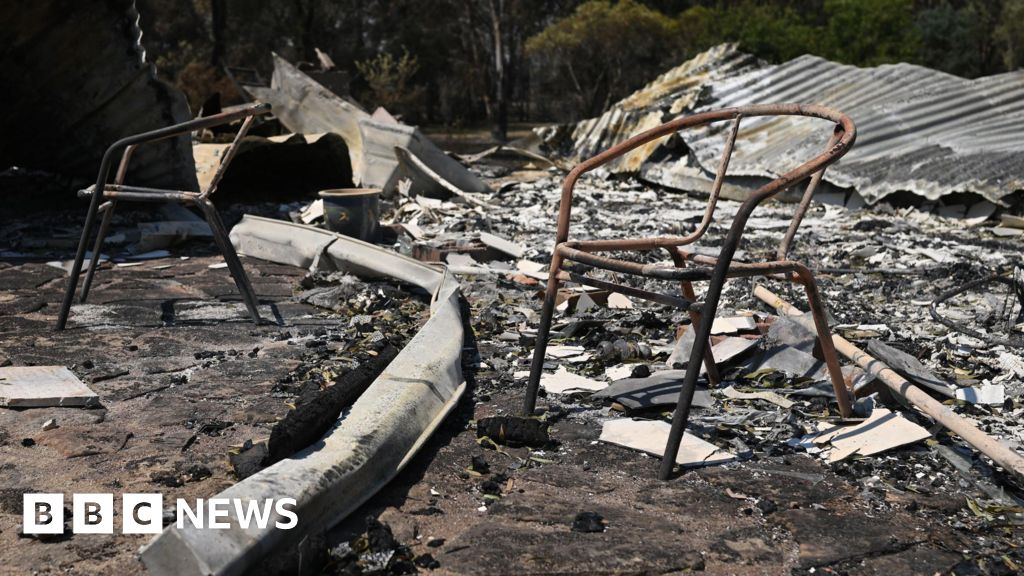
A reporter for Australia’s 9 News, Jack Ward, shared his harrowing observations after visiting several towns across Western Australia that have been ravaged by the fires. His account paints a grim picture of the aftermath, describing the scene as "catastrophic." In numerous locations, he reported, "all that’s left of these houses is a tin roof lying on the ground," a stark testament to the ferocity of the infernos. These images underscore the complete obliteration of homes and livelihoods, leaving behind only twisted metal and ash. The fires are not merely destroying property; they are tearing apart communities and leaving indelible scars on the landscape and the lives of those affected.
The current bushfire season is a stark reminder of the increasing severity of natural disasters in Australia, often exacerbated by climate change. The prolonged periods of extreme heat, coupled with dry vegetation and strong winds, create a perfect storm for the ignition and rapid spread of bushfires. Scientists have long warned about the increasing risk of such events, and the current situation serves as a tragic validation of those concerns. The scale of destruction necessitates a comprehensive response, not only in terms of immediate firefighting efforts and disaster relief but also in addressing the underlying environmental factors that contribute to these devastating events. The destruction of 300 buildings represents not just a loss of property but the obliteration of homes, businesses, and the accumulated memories and histories they contained. The loss of life is an immeasurable tragedy, a stark reminder of the raw power of nature and the vulnerability of human life in its path. As the fires continue to burn, the full extent of the damage will undoubtedly become clearer, but the impact on these communities will be felt for years to come, necessitating significant rebuilding efforts and a renewed focus on fire preparedness and climate resilience. The coming weeks will be critical as authorities continue to battle the blazes and support affected communities in the arduous process of recovery and rebuilding. The resilience of the Australian spirit will undoubtedly be tested, but the shared experience of loss and the collective determination to overcome adversity will be paramount in the healing process. The images of burnt-out homes and landscapes serve as a potent symbol of the challenges Australia faces in adapting to a changing climate and mitigating the impact of increasingly severe natural disasters. The stories of individual loss, like that of firefighter Tyrone Rice, highlight the personal toll of these fires and the profound courage of those on the front lines, who often face the double burden of protecting their communities while their own lives and properties are threatened. The ongoing crisis demands sustained attention, resources, and a commitment to long-term solutions to prevent future tragedies of this magnitude.


 Ramos Leo
 atisusanti
 Nakalama John
 Roy Suryo