
 Ramos Leo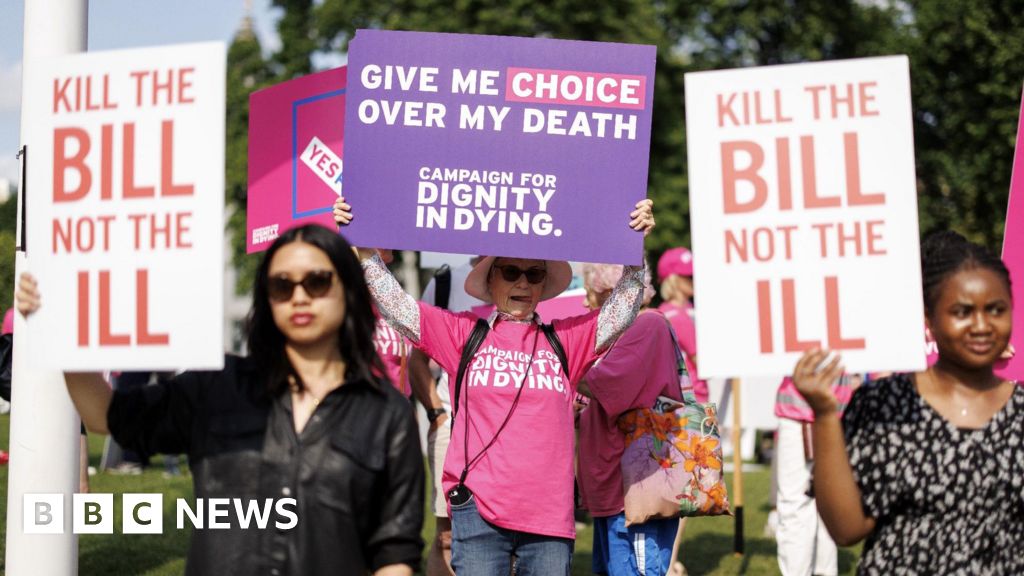
The Assisted Dying Bill, if enacted, would represent a profound shift in end-of-life care in England and Wales. It proposes to grant terminally ill adults, diagnosed with fewer than six months to live, the option to apply for an assisted death, contingent upon a rigorous set of safeguards. These safeguards typically include multiple medical assessments to confirm terminal illness and mental capacity, a clear and settled intention from the individual, and often a cooling-off period, all designed to protect vulnerable individuals and ensure that such a momentous decision is made freely and without coercion. However, the exact nature and robustness of these safeguards are precisely what has fueled much of the debate and the voluminous number of proposed amendments in the Lords.
The proposal for extra time was championed by Lord Falconer, a prominent legal figure and former Lord Chancellor, who is steering the bill through its intricate passage in the upper chamber. Speaking during the motion, which ultimately passed without a formal vote, Lord Falconer issued a stark warning: should peers fail to reach a conclusion on this deeply significant legislation, it would "significantly damage the reputation" of the House of Lords. This sentiment was echoed by Baroness Butler-Sloss, a former Lord Justice of Appeal, who also stressed that the reputation of the House was "at stake." Despite her personal reservations about the bill itself, she underscored the Lords’ constitutional duty to engage with and properly address the legislation, stating, "I don’t like the Bill, but we have it, and we have to deal with it." Their concerns reflect a broader anxiety that the Lords could be perceived as either obstructing a bill that has passed the elected chamber or, conversely, failing in its duty to scrutinise complex legislation adequately.
This call for extended debate, however, is not without its detractors. Opponents of the bill, who harbour profound reservations about its safety and potential implications, argue that the sheer volume of proposed amendments underscores fundamental flaws in the legislation itself, rather than merely indicating a need for more time. Conservative peer Lord Shinkwin, who lives with the rare brittle bone disease osteogenesis imperfecta, expressed his view that peers had already been "generous with our time." He contended that the extensive number of amendments and the time required to consider them were a direct reflection of "the quality or lack thereof of the bill that was sent to us." Lord Shinkwin’s powerful intervention encapsulated the opponents’ perspective: if a bill is perceived as so poorly drafted and inherently unsafe, the question is not simply whether more time can be allocated, but whether any amount of additional debate could genuinely transform a fundamentally flawed piece of legislation into one that is acceptable and protective of all citizens.
Indeed, the sheer scale of amendments – reportedly over 1,000 – is unprecedented for a Private Member’s Bill, leading supporters to suspect a deliberate strategy of filibustering or "wrecking amendments" aimed at ensuring the bill simply runs out of parliamentary time. This tactic, while entirely legitimate within parliamentary procedure, is seen by proponents as an attempt to circumvent a direct vote on the substance of the bill. Conversely, opponents vehemently deny any intention to obstruct, insisting that their amendments are born of a genuine desire to improve what they consider to be a dangerous piece of legislation. A source close to peers critical of the bill articulated this perspective, stating that "Supporters of assisted dying seem determined to keep complaining about the process in the Lords rather than engaging with significant failings in the bill." They further criticised the motion for not being accompanied by "any acknowledgement of the scale of the problems identified by Lords committees and external experts or of what amendments Lord Falconer is willing to accept to address those problems." This highlights a fundamental disagreement not just on the bill’s content, but on the very nature of the debate itself: whether it is about process or profound ethical substance.
The practicalities of granting additional time are themselves complex. Private negotiations are now set to take place between peers to determine when and how this extra time can be accommodated within the already packed parliamentary calendar. Extending debates already scheduled for Fridays is one viable option, potentially stretching sessions further into the day. However, another possibility – sitting later into the evenings – presents a significant logistical and ethical hurdle. Such an arrangement would invariably anger some Jewish peers, as the weekly religious Shabbat ceremony commences at sunset, making extended late sittings problematic for their observance. This exemplifies the intricate web of considerations that must be navigated when attempting to adjust the parliamentary timetable.
Even with the 10 extra sessions already granted to the Lords for debating this legislation, the sheer volume of proposed amendments means that the risk of the bill not completing all its parliamentary stages remains high. The "Committee Stage" in the House of Lords is designed for detailed line-by-line scrutiny, where amendments are debated and voted upon. Following this, the bill would proceed to "Report Stage," where further amendments can be considered, and then a "Third Reading," a final opportunity for debate before the bill returns to the Commons for consideration of Lords’ amendments, and ultimately, Royal Assent. The looming deadline of early May, when the current parliamentary session is expected to conclude, creates immense pressure. If the bill does not complete all these stages by then, it would "fall," meaning it would effectively die and would have to be reintroduced in a future session, starting the entire legislative process anew. This is a common fate for Private Member’s Bills, which rely on government goodwill and sufficient parliamentary time.
The debate over assisted dying is not merely a legislative one; it delves into profound ethical, moral, and societal questions. Concerns are frequently raised about the potential impact on vulnerable individuals, including the elderly, disabled, and those with mental health conditions, and whether robust safeguards can ever truly eliminate the risk of subtle pressure or coercion. Opponents often point to the slippery slope argument, suggesting that once assisted dying is legalised, its scope could incrementally expand over time. Supporters, on the other hand, argue for individual autonomy and compassion, highlighting the suffering of terminally ill individuals and their right to choose the timing and manner of their death, provided strict criteria are met. They often cite examples from other countries where assisted dying has been legalised without the feared negative consequences. These deeply held and often irreconcilable viewpoints contribute to the extensive and passionate debate, making consensus extraordinarily difficult to achieve.
Looking ahead, the government’s chief whip in the Lords, Lord Kennedy, has pledged to hold "urgent discussions" early next week to "seek to find a way forward to deliver on what the House has just agreed." This indicates a recognition of the parliamentary imperative to address the bill, despite the government’s official stance of neutrality on the issue, treating it as a matter of conscience for individual parliamentarians. Peers are scheduled to continue debating amendments at the committee stage this Friday, marking the fifth extra day specifically allocated for this intense scrutiny. The coming weeks will be critical, as the fate of the Assisted Dying Bill hangs in the balance, a testament to the enduring complexity and ethical weight of this contentious issue within British society and its legislative chambers. The outcome will not only determine the future of assisted dying in England and Wales but will also profoundly impact the reputation and procedural efficacy of the House of Lords itself.




 atisusanti
 Nakalama John
 George Anjay
 Roy Suryo