Roy Suryo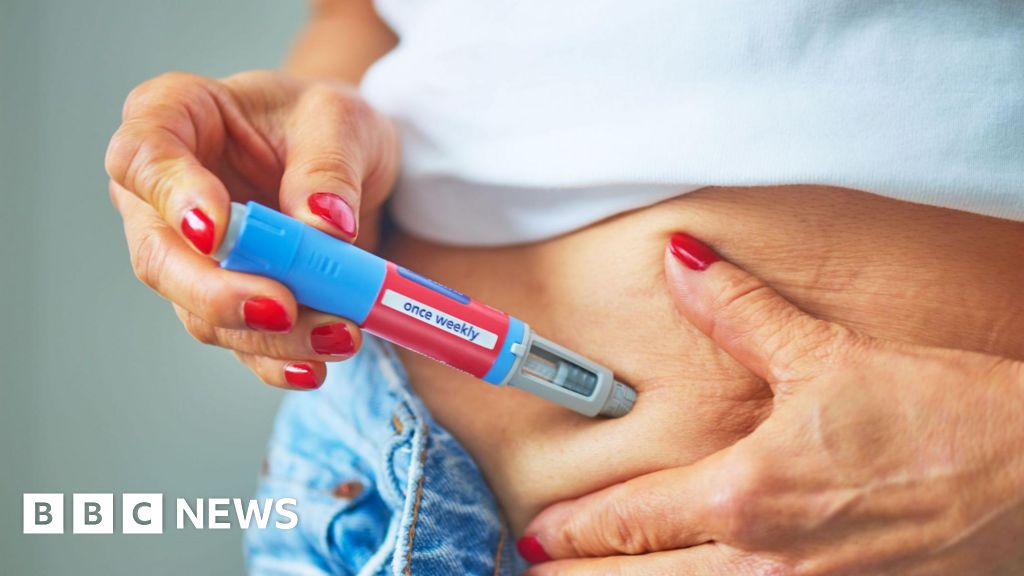
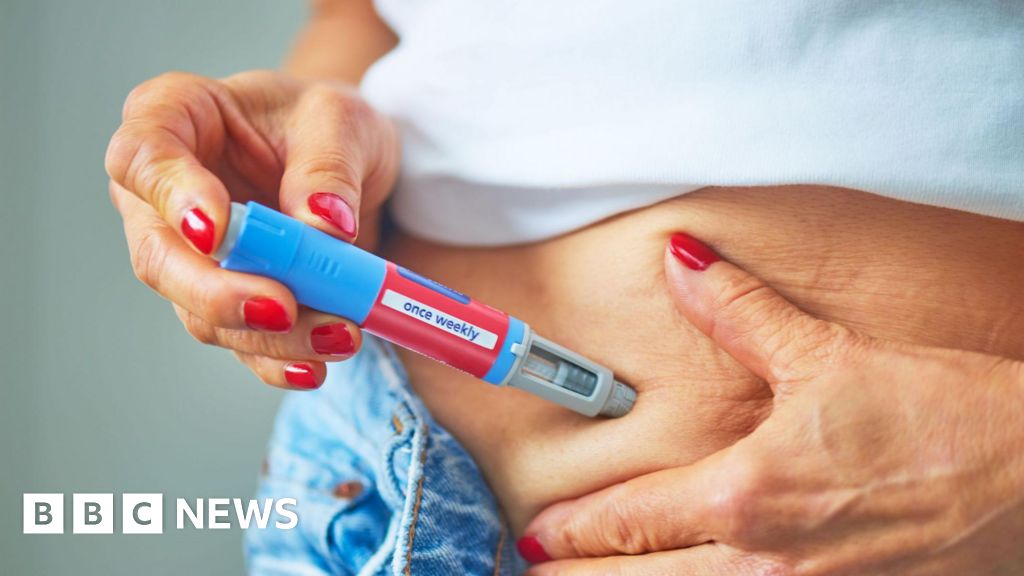
Slimmers who discontinue weight-loss injections such as Mounjaro or Wegovy face a significantly higher risk of rapid weight regain, regaining their lost pounds at a rate four times faster than individuals who cease conventional dieting and exercise regimens, according to new research. Data published in the prestigious British Medical Journal indicates that individuals utilizing these potent injections shed substantial amounts of weight, typically around a fifth of their total body mass. However, upon cessation of the treatment, they can expect to regain approximately 0.8 kilograms each month on average. This accelerated regain means that individuals could return to their pre-treatment weight within a mere year and a half, a stark contrast to the slower regain observed with traditional methods.
Dr. Susan Jebb, an investigator from Oxford University, emphasizes the critical need for individuals considering these injections to be fully aware of the potential for rapid weight re-accumulation once the treatment concludes. She cautions that these findings are derived from controlled medical trials, and while informative, further studies are essential to fully understand the long-term real-world effects of these novel slimming jabs. The comprehensive analysis examined 37 studies, encompassing over 9,000 participants, to compare the efficacy of these blockbuster weight-loss injections against conventional dieting strategies and other pharmaceutical interventions. It is important to note that only eight of these studies specifically assessed treatment with the newer generation of GLP-1 drugs, including Wegovy and Mounjaro. Furthermore, the maximum follow-up period after medication cessation in these particular studies was one year, meaning the reported figures represent an estimation of future trends. In contrast, individuals who opt for traditional dieting and exercise can anticipate a more modest initial weight loss, but their weight tends to creep back on at a considerably slower pace, estimated at around 0.1 kg per month, though individual variations are acknowledged by the researchers.
The National Health Service (NHS) currently recommends these injections for individuals who are overweight and present with obesity-related health risks, rather than for those seeking minor aesthetic slimming. A crucial aspect of the treatment protocol, as advised by medical professionals, is the concurrent prescription of lifestyle modifications. These encompass adopting a healthy eating plan and engaging in regular physical activity, both vital components for sustained weight management. Given the documented risk of relapse, many medical experts advocate for considering the treatment as potentially lifelong, similar to the management of other chronic health conditions.
Personal accounts from individuals who have attempted to discontinue these injections often describe an overwhelming and immediate resurgence of intense hunger. One woman vividly recounted her experience: "It was like something opened up in my mind and said: ‘Eat everything, go on, you deserve it because you haven’t eaten anything for so long.’" This visceral description highlights the profound physiological and psychological impact of withdrawing from these powerful appetite suppressants.
Dr. Adam Collins, a recognized expert in nutrition at the University of Surrey, proposes that the mechanism by which these injections function within the brain and body could offer an explanation for the amplified weight regain observed post-cessation. These medications mimic the action of a natural hormone known as GLP-1, which plays a critical role in regulating appetite and satiety. Dr. Collins explains that "Artificially providing GLP-1 levels several times higher than normal over a long period may cause you to produce less of your own natural GLP-1, and may also make you less sensitive to its effects." He elaborates that while this hormonal modulation is not problematic during active treatment, the abrupt withdrawal of this GLP-1 "fix" can lead to appetite no longer being effectively controlled, thereby significantly increasing the likelihood of overeating. He further points out that attempting to cease treatment abruptly, or "going cold turkey," presents a formidable challenge. This difficulty is compounded, he notes, "if the individual in question has relied solely on GLP-1 to do the heavy lifting… artificially suppressing their appetite without them establishing any dietary or behavioral changes that would help them in the long run."
Current estimates suggest that approximately 1.6 million UK adults have utilized these injections within the past year, with the majority obtained through private prescriptions rather than NHS provision. Adding to this, an additional 3.3 million individuals have expressed interest in using "skinny jabs" over the coming year, indicating that roughly one in ten adults has either tried them or is considering their use, according to data from Cancer Research UK based on nationally representative surveys conducted in the first quarter of 2025. The usage of these injections has been observed to be twice as common among women compared to men, and more prevalent among individuals in their 40s and 50s.
Professor Naveed Sattar from Glasgow University suggests that the injections may offer additional health benefits by rapidly facilitating weight reduction. He posits that "It’s plausible that being lighter for even two to three years due to short-term use of the jabs could help slow damage to joints or the heart and kidneys." However, he stresses that "Larger and longer outcome trials will be needed to answer that question." Professor Sattar also highlights a significant advantage of continued use: "Importantly, continued use of these medicines over three to four years enables people to maintain significantly lower weight than they would otherwise – a benefit not typically seen with lifestyle-induced weight loss, where many regain weight over time."
It is important to note that General Practitioners (GPs) and specialist weight-management services cannot automatically prescribe Mounjaro and Wegovy, even if patients have already obtained them through private channels. These medications are reserved for individuals with the greatest clinical need who meet specific criteria, such as the presence of weight-related health complications. Currently, there is no defined time limit for Mounjaro prescriptions on the NHS, while Wegovy is prescribed for a maximum duration of two years.
A spokesperson for Eli Lilly, the pharmaceutical company behind Mounjaro, stated that the use of weight-loss drugs must be integrated with healthy eating habits, physical activity, and ongoing medical supervision. They further clarified that "When treatment is stopped, weight can return, which reflects the biology of the condition rather than a lack of effort." Similarly, Novo Nordisk, the manufacturer of Wegovy, commented that "These findings highlight the chronic nature of obesity and suggest that ongoing treatment is necessary to maintain improvements in weight and overall health for patients, similar to the management of other chronic conditions such as diabetes or hypertension." This perspective underscores the view that obesity is a complex, long-term health issue requiring sustained management strategies, much like other prevalent chronic diseases. The research serves as a crucial reminder that while these injections offer a powerful tool for initial weight loss, a comprehensive and sustained approach, encompassing both medical and lifestyle interventions, is paramount for long-term success and to mitigate the risk of rapid weight regain.




 Ramos Leo
 atisusanti
 Nakalama John
 George Anjay