George Anjay
A Pokémon card game event scheduled to take place at a shrine honouring Japan’s war dead has been abruptly cancelled by The Pokémon Company following significant backlash, particularly from China. The company issued a formal apology, acknowledging that the event "should not have been held in the first place," and attributed the advertisement of the event, which was organized by a certified third party, on its official website to a "lack of due diligence." The planned gathering was set to occur at the Yasukuni Shrine, a site steeped in Japanese history and deeply contentious due to its commemoration of individuals, including convicted war criminals, who perished in various conflicts.
The Yasukuni Shrine, located near the Imperial Palace in Tokyo, holds a solemn purpose: to memorialize the approximately 2.5 million individuals who have died in service to Japan across numerous wars. Its roster includes those who fought in the First and Second Sino-Japanese Wars and the Pacific theatre of World War Two. However, the shrine’s decision to enshrine the names of over 1,000 individuals convicted of war crimes has long been a source of profound distress and anger for nations that endured harsh occupation and suffering under Japanese rule. This controversy is particularly acute for China, which bore the brunt of Japanese aggression during the 20th century.
The timing of this controversy is particularly sensitive, occurring amidst a backdrop of deteriorating relations between China and Japan. These diplomatic tensions have been exacerbated by the new Japanese prime minister’s stance on Taiwan, a self-governing island that Beijing claims as its own territory and has not ruled out annexing by force. The Yasukuni Shrine, therefore, represents more than just a historical memorial; it is a potent symbol of Japan’s wartime past and its contemporary approach to historical reckoning, a subject that remains a significant point of contention in East Asian diplomacy.
The outcry from China was swift and severe. The People’s Daily, the official newspaper of the Chinese Communist Party, published a stern commentary stating, "Brands that disregard history and hurt the feelings of the Chinese people will ultimately be abandoned." It further emphasized, "The relevant enterprises must accordingly take social responsibility and not make light of the heavy weight of history in the name of entertainment." This sentiment was echoed by the state-run Global Times, which lauded "China’s young netizens" for their criticism. The publication declared, "Any entertainment or leisure activities held at such a site constitute an open affront to historical truth, and staging events aimed at children there is even more egregious." The implication was clear: any organization associating itself with Yasukuni Shrine risks alienating a significant portion of its global fanbase and facing severe economic repercussions.
In response to the escalating criticism, The Pokémon Company issued a statement on Friday detailing its actions. The company explained that the event had been "mistakenly posted" on its official card game website due to insufficient vetting processes. "After the incident was discovered, the event was promptly cancelled," the statement read. "We sincerely apologize for the various reactions and opinions that have been generated as a result of this publication." This admission of error and prompt cancellation aimed to de-escalate the situation and mitigate further damage to its brand reputation. The company also pledged to "thoroughly review and strengthen" its approval procedures to prevent any recurrence of such a sensitive misstep. This commitment to enhanced due diligence underscores the seriousness with which The Pokémon Company is treating the incident and the potential ramifications of cultural insensitivity.
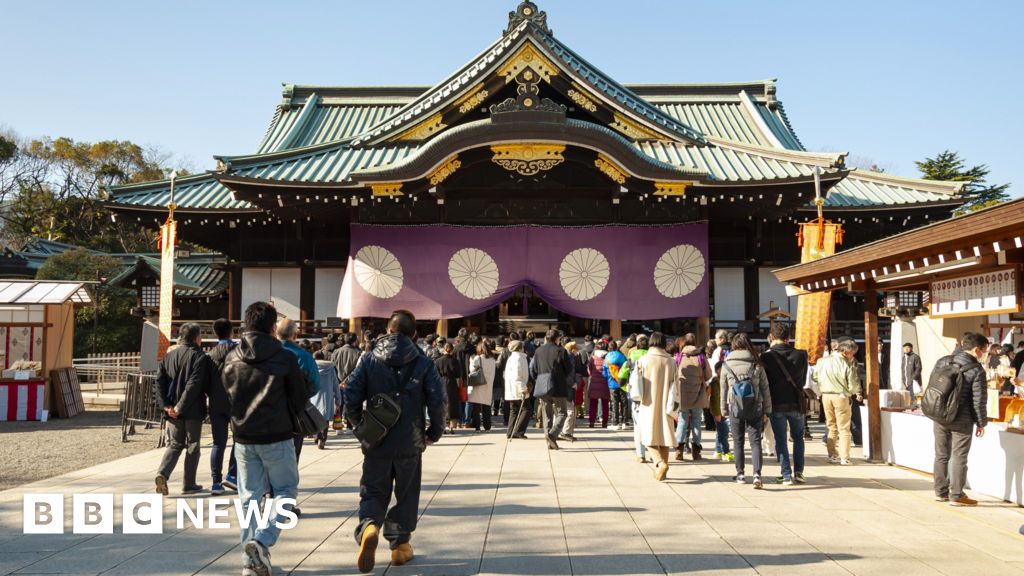
The Yasukuni Shrine’s controversial status is rooted in its wartime history and the lingering impact of Japan’s imperial expansion. While it serves as a place of remembrance for fallen soldiers, its inclusion of convicted war criminals as enshrined figures is widely seen as a glorification of past aggressions and a disregard for the suffering inflicted upon other nations. This historical context makes any public event, especially one involving a globally recognized brand like Pokémon and potentially attracting younger audiences, inherently fraught with political and emotional complexities.
The broader geopolitical climate also played a significant role in amplifying the backlash. The ongoing tensions between China and Japan, particularly concerning Taiwan, have heightened nationalistic sentiments on both sides. In this charged atmosphere, any perceived insensitivity or historical misstep by a foreign entity is likely to be met with amplified criticism and calls for boycotts. The Yasukuni Shrine, with its direct ties to Japan’s wartime past, is a particularly sensitive flashpoint in these relations.
The incident highlights the complex landscape that global brands must navigate when operating in diverse cultural and political environments. The Pokémon Company, with its immense global reach and appeal, is particularly vulnerable to such controversies. Its brand is built on themes of friendship, adventure, and positive values, and any association with controversial historical sites could undermine these core principles and alienate its loyal fanbase, especially in markets where historical grievances remain potent.
The fallout from the cancelled Pokémon event extended beyond the immediate apology and cancellation. The broader row saw the governments of both China and Japan urging their citizens not to travel to the other country, indicating the depth of the diplomatic strain. Furthermore, the release of two popular Japanese films in China was also postponed, demonstrating the ripple effect of the Yasukuni Shrine controversy on cultural exchanges and bilateral relations. This underscores how deeply intertwined historical narratives and national sensitivities are with international business and cultural diplomacy.
Pokémon, a franchise that originated as a video game in 1996, has evolved into a global cultural phenomenon. Its expansion into films, television series, and trading card games has solidified its position as one of the world’s most recognizable and beloved media properties. This widespread popularity, however, also means that the brand carries significant cultural weight and faces increased scrutiny from a diverse global audience. The Yasukuni Shrine incident serves as a stark reminder of the responsibility that comes with such global influence and the need for meticulous cultural awareness and historical sensitivity in all public-facing activities. The company’s swift apology and commitment to improved oversight suggest a recognition of the gravity of the situation and a desire to learn from this misstep to ensure future endeavors are conducted with greater care and respect for historical context.




 atisusanti
 Nakalama John