
 Nakalama John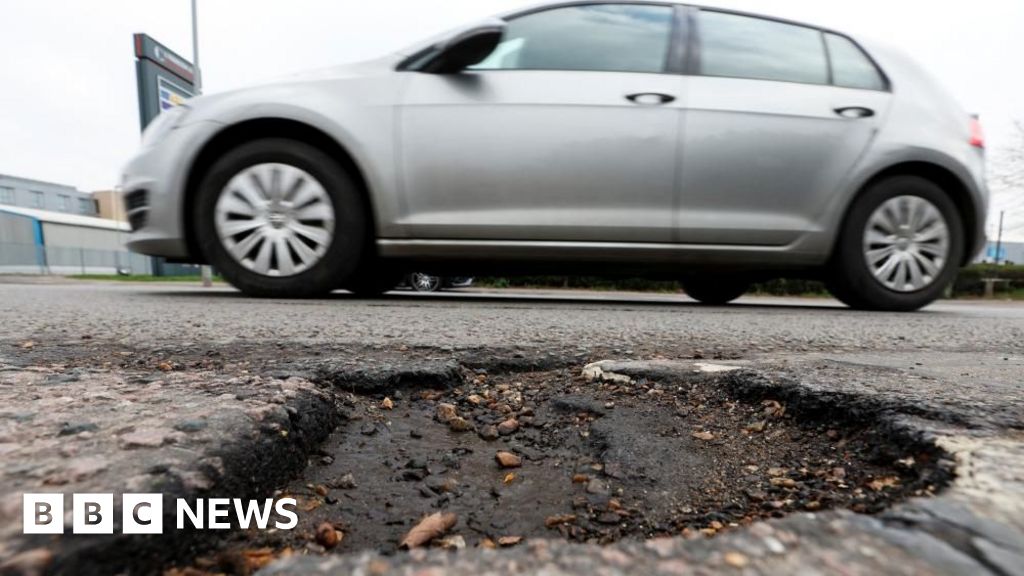
Drivers across England are now equipped with an unprecedented level of transparency regarding the state of their local roads and the efforts being made by authorities to combat the perennial issue of potholes. A new, comprehensive mapping tool, developed by the Department for Transport (DfT), coupled with an intuitive traffic light rating system, aims to shed light on how effectively councils are tackling their road networks, allowing the public to monitor progress and hold local governments accountable. This initiative marks a significant step towards addressing a problem that has plagued motorists for decades, often leading to costly repairs and considerable frustration.
The innovative system categorises England’s 154 local highway authorities into one of three ratings: red, amber, or green, based on a rigorous assessment of their road conditions and the efficacy with which they are utilising government funding allocated for repairs. A "red" rating signifies that a council’s roads are in a poor state and/or their expenditure on repairs is deemed ineffective, indicating substantial room for improvement. Thirteen local authorities have unfortunately fallen into this critical category, facing intense scrutiny. These include Cumberland, Bolton, Kensington and Chelsea, Bedford, West Northamptonshire, North Lincolnshire, and Derbyshire, among others. Such a rating often points to a combination of factors: an extensive backlog of repairs, inadequate preventative maintenance, or inefficient use of available resources, leaving their road networks in a dire condition that directly impacts daily commuters and local businesses.
Conversely, a "green" rating denotes councils that are performing commendably, demonstrating good road conditions and effective management of their repair budgets. These authorities are likely employing proactive strategies, investing in preventative maintenance, and ensuring value for money from their roadworks. Councils such such as Essex, Wiltshire, Coventry, Leeds, and Darlington have been recognised with this positive rating on the DfT map, setting a benchmark for others to aspire to. Their success suggests a strategic approach to infrastructure management that prioritises long-term road health over reactive, temporary fixes.
The vast majority of councils, however, received an "amber" rating. This indicates that while they are actively engaged in patching up roads and have some preventative measures in place, there remains considerable scope for improvement. Amber-rated councils are likely making efforts but might still be grappling with significant challenges, perhaps balancing limited budgets with an ever-growing list of necessary repairs, or not yet fully optimising their spending for maximum impact. The DfT’s ambition is for these councils to learn from their green-rated counterparts and strive for better performance, moving away from a predominantly reactive approach to road maintenance.
Transport Secretary Heidi Alexander articulated the government’s commitment to addressing this long-standing grievance, stating that drivers have been "left to pay the price for too long." Speaking on the BBC’s Sunday with Laura Kuenssberg, she highlighted the widespread frustration among motorists who are "fed up of driving to work and hitting the same pothole day after day." This recurring damage often translates into "needless trips to the garage," costing drivers hundreds of pounds annually in repairs. Alexander emphasised the government’s dual strategy: providing increased funding to councils for road maintenance while simultaneously ensuring public accountability through the new mapping tool. She stressed that it was "absolutely vital that the public has a mechanism to then see what is happening with that money," underscoring the drive for transparency and efficient spending of taxpayer funds.
In a significant financial pledge, the government committed an impressive £7.3 billion in November’s Budget to tackle road repairs over the next four years. This substantial investment is intended to empower local authorities to undertake comprehensive repair programmes, moving beyond superficial patch-ups to more durable solutions. Crucially, the government announced that future funding allocations would be directly "linked to performance." This policy aims to incentivise councils to adopt more proactive and efficient strategies, encouraging them to use "taxpayer money efficiently to repair and maintain their roads before potholes form," thereby shifting the focus from reactive repairs to preventative measures. This performance-based funding model is expected to drive a culture of continuous improvement and strategic planning within local highway authorities.
A critical challenge highlighted by Secretary Alexander was the historical lack of standardised data on potholes and even an official definition for them. This absence of a baseline made it difficult to assess the true scale of the problem or track progress effectively. The new DfT initiative directly addresses this by systematically gathering data "in a way that hasn’t been done before," establishing a comprehensive national picture of road conditions. Alexander further elaborated on Sky News that the map’s assessment is based on three core factors: the overall condition of the road network, the level of investment being directed towards maintenance and repairs, and the extent to which the local authority is "using best practice and providing value for money." This holistic approach ensures that councils are not just spending money, but spending it wisely and effectively, adopting modern techniques and efficient procurement processes to deliver lasting improvements.
The scale of the pothole problem across the UK is staggering. Estimates suggest there are more than one million potholes scarring the nation’s roads, creating a constant hazard for drivers. According to data from the RAC, these road defects led to a staggering 25,758 incidents in 2025 alone, ranging from minor tyre punctures to more severe mechanical failures. The motoring group frequently highlights the profound impact damaged roads have on driver safety and vehicle integrity, contributing to dozens of serious injuries, accidents, and breakdowns every single year. The financial burden on motorists is considerable, with the RAC reporting an average cost of £590 for pothole-related damage. However, for many unfortunate drivers, the repair bills can easily exceed £1,000, forcing them to incur significant, unforeseen expenses. Common vehicle problems directly attributable to pothole encounters include damaged shock absorbers, which compromise ride comfort and handling, broken suspension springs, leading to instability and further damage, and distorted or cracked wheels, which are both dangerous and costly to replace. These persistent issues underscore the urgent need for a more robust and consistent approach to road maintenance.
Derbyshire, a county once controversially dubbed the "pothole capital of the UK," provides a poignant example of the challenges and potential for improvement. The county scored the lowest for road maintenance in the DfT’s new rating system, underscoring the severity of its road network issues. In December, the RAC’s findings further accentuated Derbyshire’s predicament, revealing that it had experienced the biggest increase in claims for compensation due to pothole damage between 2021 and 2024. However, in a statement reflecting efforts to turn the tide, Charlotte Hill, the council’s cabinet member for potholes, highways and transport, reported a significant decline, stating that claims had fallen by 72% since May 2025. This suggests that while Derbyshire still faces immense challenges, there are ongoing efforts to address the problem, albeit with a long road ahead to achieve consistent high performance.
To support struggling authorities, councils rated "red" by the DfT will receive targeted assistance. This includes an additional £300,000 each, specifically earmarked to help them improve their road maintenance programmes. Beyond financial aid, this support is expected to encompass expert guidance, the sharing of best practices from high-performing councils, and assistance in developing more effective repair strategies. The aim is not simply to provide more money, but to equip these councils with the knowledge and tools necessary to make lasting improvements and break the cycle of poor road conditions and inefficient spending.
Tom Hunt, chair of the Local Government Association’s (LGA) Inclusive Growth Committee, welcomed the government’s initiative, acknowledging that the "boost in funding is a helpful step in the right direction." However, he also highlighted the immense scale of the underlying problem, noting that councils across the country face a staggering £17 billion backlog of road repairs. This colossal figure represents years of underinvestment and the cumulative deterioration of crucial infrastructure, far exceeding the recent government commitment. Hunt emphasised that while new funding is appreciated, "long term funding certainty" is paramount. He argued that consistent, predictable funding streams, coupled with a strategic focus on preventative measures – such as full road resurfacing rather than merely patching – would ultimately "help to save tax payers’ money and reduce the need for repairs" in the long run. This perspective underscores the need for a sustained, generational investment in road infrastructure to truly overcome the current crisis.
The political reaction to the new mapping tool has been swift. Shadow Transport Secretary Richard Holden offered a critical assessment, arguing that "A map won’t stop tyres blowing or suspensions snapping." His comments reflect the opposition’s stance that while transparency is valuable, it is not a substitute for tangible action and significant investment. Holden asserted that "Motorists, already being squeezed tight by Labour, deserve real action to back them," framing the pothole issue within the broader context of cost-of-living pressures and governmental effectiveness. This political scrutiny ensures that the issue remains high on the national agenda, with both government and opposition vying to demonstrate their commitment to resolving a problem that impacts millions daily.
Ultimately, the DfT’s new pothole mapping tool represents a significant shift towards greater accountability and data-driven decision-making in road maintenance. By shining a spotlight on council performance, it empowers drivers with information and provides a clear incentive for local authorities to improve. While the £7.3 billion funding is a substantial commitment, the £17 billion repair backlog highlighted by the LGA underscores the immense, ongoing challenge. The success of this initiative will hinge not only on the initial injection of funds but also on the sustained political will to link funding to performance, encourage preventative maintenance, and foster a culture of long-term strategic planning to ensure England’s roads are fit for purpose for generations to come, moving beyond a reactive cycle of repair to a proactive vision of road excellence.




 George Anjay
 Ramos Leo

 atisusanti