
 Nakalama John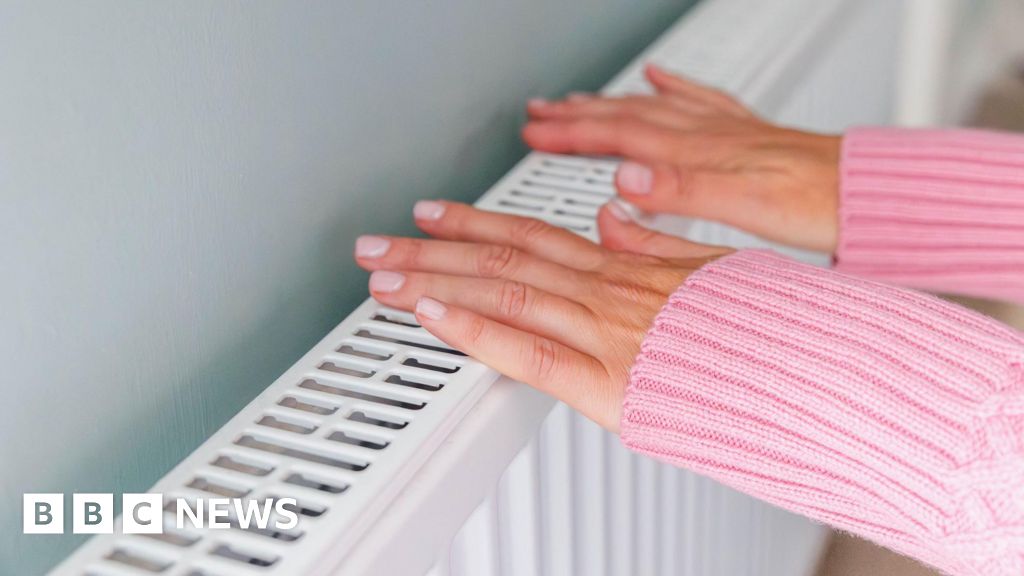
Millions of households across England, Scotland, and Wales are facing a slight but impactful rise in their energy bills this month, as the energy regulator Ofgem implements a 0.2% increase to the energy price cap. This cap represents the maximum amount energy suppliers are permitted to charge customers for each unit of gas and electricity. From January 1st to March 31st, 2026, the energy price cap is set at £1,758 per year for a typical household that uses both electricity and pays by direct debit. It’s crucial to remember that this figure is an average; actual costs can vary widely based on individual consumption and household characteristics. The impact of these rising costs can be particularly acute for certain demographics, including those residing in older, less energy-efficient homes, renters with limited control over property modifications, and low-income households already grappling with other financial pressures.
Low-Cost Solutions for Immediate Impact
Even seemingly minor adjustments around the home can collectively lead to significant savings. George Pearson, head of technical services at Retrofit West – an initiative funded by the West of England Mayoral Combined Authority covering Bristol, Bath and North East Somerset, and South Gloucestershire – emphasises that "sealing gaps and draught proofing is the number one step because it’s so low cost." This involves a thorough check of your home for any unintended openings that allow warm air to escape and cold air to enter. Common culprits include gaps around skirting boards, window frames, door frames, letter boxes, and even electrical sockets and light fittings. Simple self-adhesive foam strips, silicone sealant, or even fabric "door snakes" can be incredibly effective, costing very little but offering immediate improvements in comfort and energy retention.
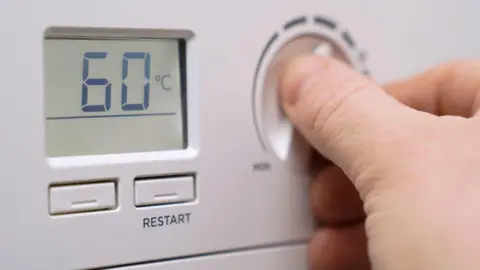
Beyond draughts, optimising your heating system is paramount. Mr. Pearson highlights the benefit of reducing your boiler’s flow temperature. While many households default to a setting of 60°C (140°F), lowering it to 55°C (131°F) or even 45°C (113°F) can lead to substantial savings, particularly for modern condensing boilers which operate most efficiently at lower temperatures. This doesn’t necessarily mean a colder home; it simply means the water circulating through your radiators is slightly cooler, allowing the boiler to condense more efficiently and extract more heat from the fuel.
Nick Trapp from the Centre of Sustainable Energy underscores the critical role of heating and hot water in household energy consumption. "Heating and hot water is the majority of the bill in the average household," he notes, vastly outweighing the cost of lighting, computers, or ovens. To effectively reduce this dominant cost, a strategic approach to heating is essential. One simple yet effective tip is to turn off radiators in rooms that are not regularly used, such as spare bedrooms or storage areas. Utilise thermostatic radiator valves (TRVs) where available to regulate individual room temperatures. Your central thermostat should then be used to control the overall temperature for the actively used areas of your home.
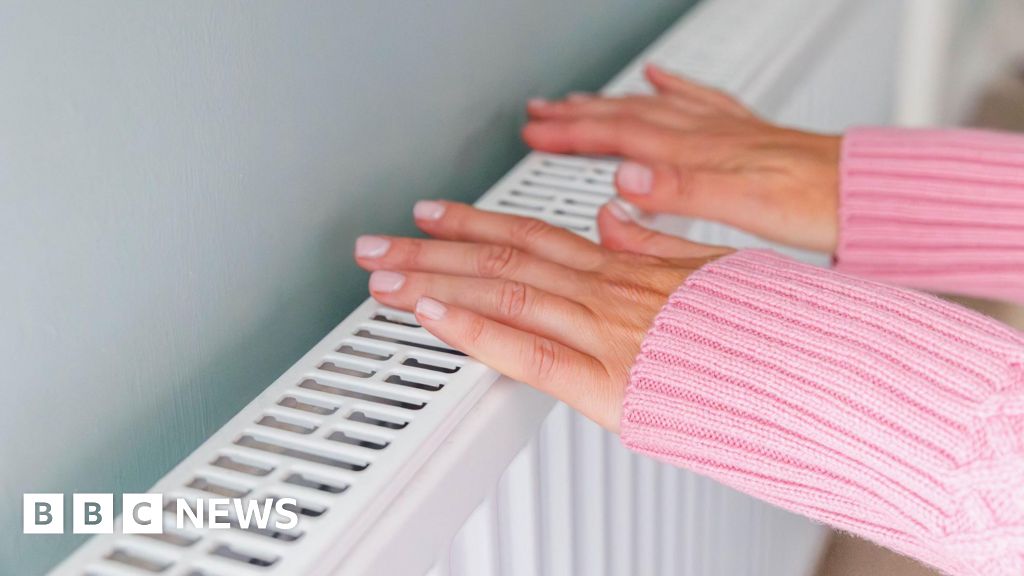
A widely cited recommendation is to reduce your heating by just one degree Celsius, which could translate to annual savings of up to £73. However, it’s vital to prioritise health and safety; experts advise against lowering temperatures below 18°C (64°F) for elderly individuals, those with illnesses, or households with small children, as this can pose health risks. Regular maintenance is also key to efficiency. An annual boiler service not only ensures your heating system runs optimally, preventing energy wastage, but can also pre-empt more expensive breakdowns and extend the lifespan of your boiler. Furthermore, an insulating jacket for your hot water cylinder can be a remarkably cost-effective upgrade, potentially saving around £183 per year by minimising heat loss from stored hot water.
Mr. Pearson also suggests using reflective panels, specifically designed to be placed behind radiators. These panels work by bouncing heat back into the room, rather than allowing it to be absorbed by the exterior wall, thereby maximising the heat generated. Another crucial maintenance task is bleeding radiators. Over time, air can become trapped within your radiators, preventing hot water from circulating effectively and leading to cold spots. Bleeding them releases this trapped air, ensuring even heat distribution and better efficiency. The process is simple, typically requiring a radiator key and a cloth, and can be done by most homeowners.
While tempting, Mr. Trapp issues a warning against relying on plug-in electric heaters. "People get tempted by them because they look like they’re smaller, so you expect them to use less energy, but they’re actually a lot less efficient" than central heating. Electric resistance heaters consume a significant amount of electricity, which is generally more expensive per unit than gas, making them an inefficient and costly primary heating solution. Instead, consider changing your energy tariff. Exploring options like cheaper fixed deals, discounted variable tariffs, or time-of-use tariffs (such as Economy 7 or 10, which offer cheaper electricity during off-peak night hours) can lead to considerable savings, particularly if you can shift some of your electricity consumption to those periods. Using online comparison sites can help identify the best deals available for your usage patterns.
During the colder, wetter winter months, many people resort to drying clothes indoors, often leading to dampness and mould. A dehumidifier can be an excellent alternative to a tumble dryer, which is notoriously energy-intensive. By removing moisture from the air, a dehumidifier not only speeds up drying times for laundry but also actively prevents the build-up of damp and mould, which can have negative health implications and damage property. Mr. Trapp advises placing the dehumidifier in the room where laundry is drying and keeping the door closed to contain the water vapour, maximising its efficiency and preventing moisture from spreading throughout the house. Maintaining a consistent, albeit lower, temperature in your home can also help mitigate damp and mould issues, as fluctuating temperatures and cold surfaces are breeding grounds for condensation.
Medium-Cost Solutions for Long-Term Savings
While immediate, low-cost actions are vital, some households may wish to explore more significant, longer-term investments to enhance their home’s energy efficiency. One of the most impactful solutions is installing or upgrading insulation. Good insulation acts as a protective barrier, keeping heat inside during winter and outside during summer, thereby reducing the workload on your heating and cooling systems.
Mr. Pearson strongly recommends insulating pipes, particularly those carrying hot water from your boiler to taps or radiators. Uninsulated pipes can lose a significant amount of heat as water travels through them, meaning your boiler has to work harder to maintain the desired temperature. Simple pipe insulation sleeves are relatively inexpensive and easy to fit, offering a quick return on investment.
When it comes to loft insulation, Mr. Pearson suggests a depth of 15.7 inches (39.8 cm). While this might seem like a considerable amount, the impact on reducing heat loss through the roof – one of the biggest culprits for energy inefficiency – is substantial. Loft insulation can be a DIY project for those comfortable working in confined spaces, or it can be professionally installed. Other forms of insulation, such as cavity wall insulation (for homes with a gap between internal and external walls) or solid wall insulation (for older properties without a cavity), offer even greater savings but come with higher installation costs and usually require professional expertise. Investing in double glazing or even secondary glazing (a cheaper alternative) can also dramatically improve window insulation, preventing heat loss and reducing noise.
Additional Support for Vulnerable Households
For individuals and families struggling with their energy bills, various government schemes and charitable programmes offer crucial financial assistance and support. It’s important to check eligibility criteria and apply if you qualify.
The Warm Home Discount Scheme provides a one-off rebate directly applied to your electricity bill. This discount is typically awarded automatically to eligible low-income households, often those receiving certain means-tested benefits or pension credit. The specific criteria can vary slightly each year, so it’s worth checking the government’s official guidance.
The Winter Fuel Payment is a non-means-tested annual payment designed to help older people with their heating costs. Eligible individuals are typically born on or before a specific date (e.g., September 22, 1959) and receive between £100 and £300, depending on their circumstances and household composition. Most eligible individuals receive this payment automatically if they receive the State Pension or other social security benefits.
A Cold Weather Payment is triggered when the average temperature in your local area is recorded as, or forecast to be, zero degrees Celsius or below for seven consecutive days. These payments are available to individuals receiving certain benefits, such as Pension Credit, Income Support, income-based Jobseeker’s Allowance, income-related Employment and Support Allowance, Universal Credit, or Support for Mortgage Interest.
Furthermore, the government’s Warm Homes Grant (often administered locally through councils or energy companies) provides funding for energy-saving improvements to homes. This can include measures like insulation, new boilers, or renewable heating systems. Eligibility for this grant is typically based on income and the energy efficiency rating of your property. Beyond these government initiatives, various charities and energy advice services, such as the Citizens Advice Bureau or local energy efficiency trusts, can offer free, impartial advice and help you identify additional grants or support schemes in your area.
By combining low-cost, immediate actions with consideration for longer-term investments and seeking out available support, households can build a robust strategy to combat rising energy costs this winter, ensuring warmth and comfort without undue financial strain. A proactive and informed approach is your best defence against the chill and the rising bill.



 Ramos Leo
 atisusanti
 George Anjay

 Roy Suryo