Roy Suryo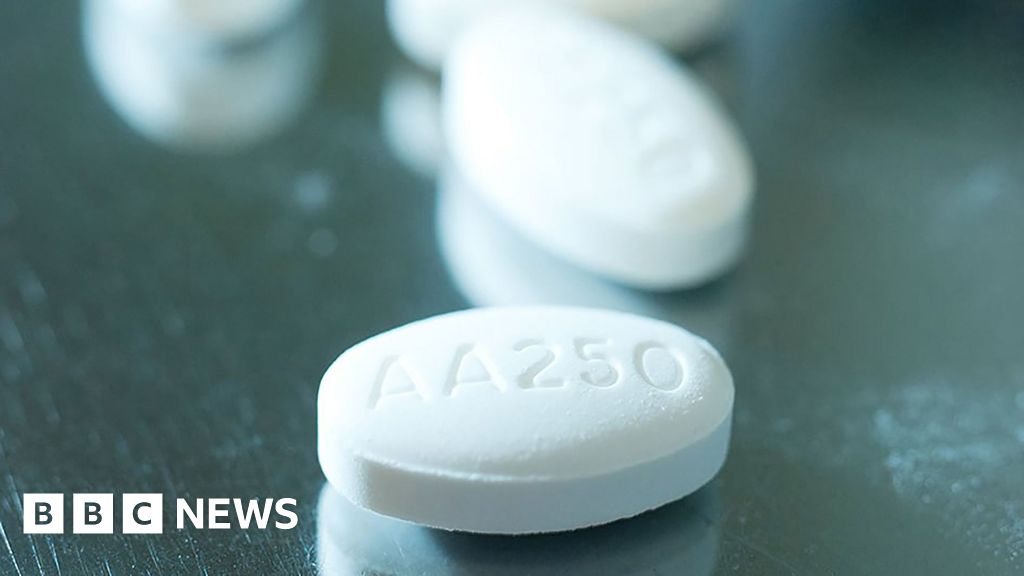
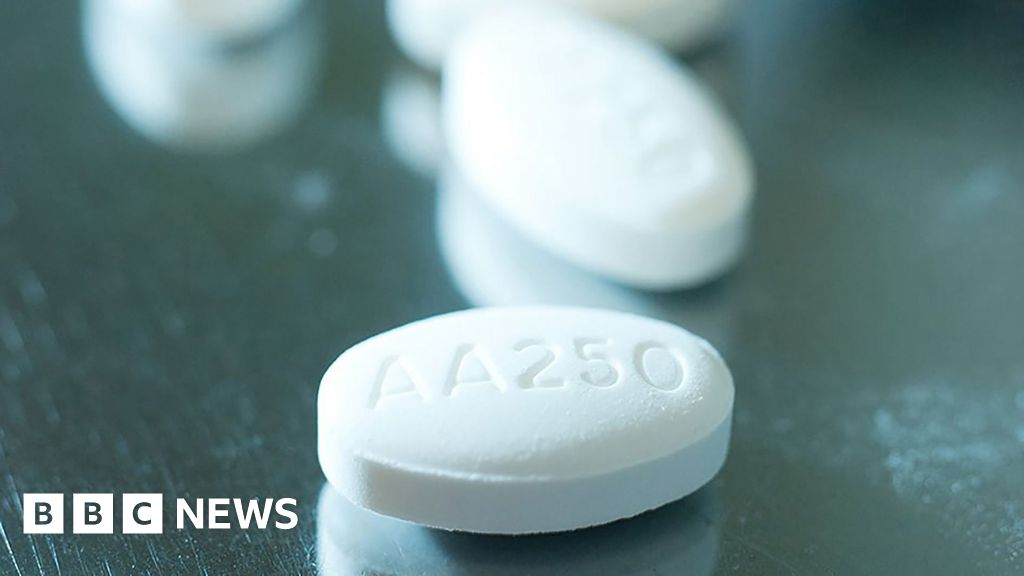
A groundbreaking, life-extending prostate cancer drug, abiraterone, is set to become widely available to thousands of men across England within weeks, marking a significant victory for patients and advocacy groups. This pivotal decision comes after years of campaigning, highlighting a stark disparity in access to vital treatments between different parts of the United Kingdom. While abiraterone has been a staple on the NHS in Scotland and Wales since 2023, men in England and Northern Ireland have largely been excluded from its benefits, with access typically restricted to the most severe, late-stage cases. The drug, which has already proven its efficacy in treating advanced prostate cancer that has spread, will now be offered to high-risk patients in England whose cancer has not yet metastasised, a move anticipated to save hundreds of lives annually.
Amy Rylance, assistant director of health improvement at Prostate Cancer UK, hailed the decision as a "momentous, life-saving victory for the thousands of men whose lives will now be saved." She further acknowledged the BBC’s crucial role in maintaining public awareness and pressure on this issue through its sustained coverage over the past several years. The charity estimates that approximately 7,000 men per year will now commence treatment with abiraterone, with an estimated 1,470 men potentially avoiding the devastating news of their cancer progressing. This proactive approach to treatment could lead to the saving of an estimated 560 lives each year. NHS England has confirmed that the drug will be accessible within weeks, with around 2,000 men diagnosed with prostate cancer in the last three months eligible to receive the treatment, provided it is deemed clinically beneficial for their individual cases. Abiraterone functions by inhibiting the production of androgens, hormones that fuel prostate cancer growth, thereby starving the disease and halting its spread.
The impactful campaign for wider access to abiraterone was spearheaded by Giles Turner, a Brighton resident diagnosed with aggressive prostate cancer in March 2023. Upon learning of the differential access to the drug between Scotland and Wales compared to England, Turner approached BBC News, expressing his shock and indignation. "I was shocked and angered that my postcode meant I was denied free access to a treatment that could halve my risk of dying and give me the best chance of a cure," he stated to the BBC. Driven by a commitment to equitable healthcare, Turner opted to fund his own treatment, incurring costs of £250 per month. While acknowledging his personal fortune in being able to afford the medication, he expressed profound outrage on behalf of those who could not.
Turner’s advocacy marked the beginning of a determined campaign to alter the policy. At the time, NHS England indicated it was reviewing the drug’s application for a broader patient demographic. However, in a subsequent year, officials informed Prostate Cancer UK that no funding was available for this expanded use, a stance reiterated by ministers in early 2025. "Today’s wonderful news is the culmination of all our determined and dogged efforts," declared Mr. Turner, expressing his profound happiness that men like him would now have fair access to a highly effective treatment, leading to saved lives and spared heartbreak for countless families. Despite the celebratory outcome, he voiced frustration over the nearly three-year delay since he first raised the issue.
The compelling case for the broader use of abiraterone was significantly bolstered by the findings of the STAMPEDE trial, published in 2022. This pivotal research demonstrated a marked improvement in survival rates for men receiving the drug in conjunction with standard care. The Institute of Cancer Research further elaborated that a two-year course of abiraterone could halve the risk of prostate cancer recurrence and reduce the risk of death by a significant 40%. Researchers had expressed considerable frustration that the National Institute for Health and Care Excellence (NICE), the UK’s health technology assessment body, had not yet approved the drug’s use for newly diagnosed patients. However, the process for NICE and the Medicines and Healthcare products Regulatory Agency (MHRA) to evaluate and approve expanded drug usage is inherently complex and time-consuming, requiring detailed applications.

A critical turning point in the drug’s availability occurred in October 2022, when abiraterone "went off patent." This meant that the exclusive legal protection granted to the original manufacturer had expired, paving the way for generic versions to be produced. Ironically, this development, which typically lowers costs and increases accessibility, created a disincentive for pharmaceutical companies to pursue approvals for wider patient groups, as the profit margins for generic drugs are generally lower. While health authorities in Scotland and Wales found mechanisms within existing protocols to facilitate NHS supply, a similar initiative did not materialize in England. NHS England attributed the current funding availability to cost savings achieved on other medicines, enabling the expansion of abiraterone’s accessibility.
Professor Peter Johnson, National Clinical Director for Cancer at NHS England, expressed his optimism, stating, "The life-extending treatment available on the NHS within weeks will mean thousands of men can kick-start their year with the news that they will have a better chance of living longer and healthier lives." He further emphasized NHS England’s ongoing commitment to providing the most effective, evidence-based treatments, noting the introduction of several new prostate cancer drugs over the past five years. Health and Social Care Secretary Wes Streeting echoed this sentiment, highlighting the profound impact on patients’ lives: "When you’re living with prostate cancer, every day with your loved ones matters. I’m delighted the NHS have taken the steps needed to make the drug available, giving thousands of men access to abiraterone – a treatment that significantly improves survival rates and can give patients precious extra years of life."
In response to the announcement, Professor Gert Attard, co-lead of the STAMPEDE trial at the UCL Cancer Institute, conveyed his enthusiasm: "This is a hugely welcome moment for patients. Our research showed clearly that abiraterone can save lives when offered earlier to men at high risk of their cancer spreading. Funding for this disease indication is already available in Scotland and Wales, so we are delighted that NHS England has acted on this evidence and will now make this highly effective treatment routinely available." Prostate Cancer UK is actively engaging with decision-makers in Northern Ireland, advocating for a swift adoption of similar policies to ensure equitable access across the entire UK. The charity has formally written to politicians in Northern Ireland, urging the Stormont government to prioritize this critical healthcare issue. As of now, Stormont has not yet made any public statements regarding plans to alter the prescribing of abiraterone.



 George Anjay
 Ramos Leo
 Nakalama John

 atisusanti