
 Nana Banana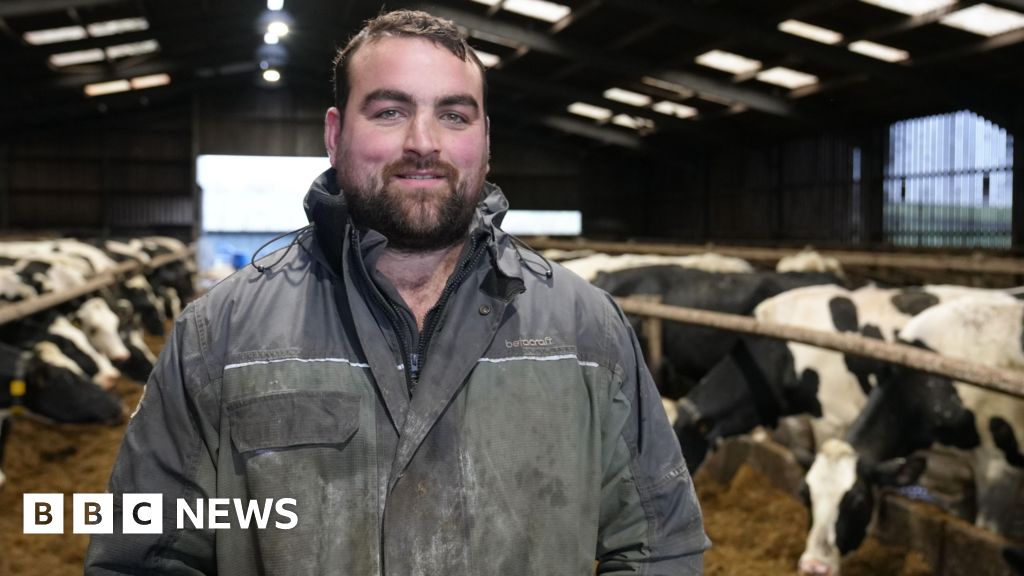
Heralded by some as a "landmark moment for Wales," the SFS represents a profound ideological and practical departure from the previous EU Common Agricultural Policy (CAP) system. For decades, Welsh farmers received over £300m annually in EU subsidies, primarily distributed based on the amount of land they owned. This system, while providing crucial financial stability, was often criticised for not sufficiently incentivising environmental protection or broader public goods. The SFS seeks to rectify this by linking payments directly to a farm’s commitment to sustainable land management.
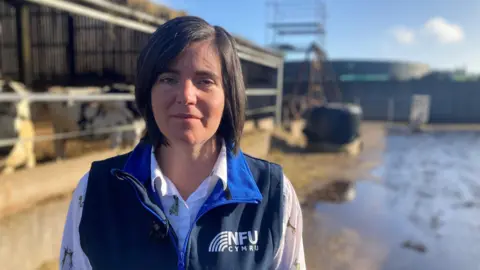
However, the journey to this launch has been anything but smooth, described by NFU Cymru’s deputy president, Abi Reader, as an "enormous rollercoaster." The scheme has been met with significant opposition, culminating in a wave of farmer protests across Wales in 2024, including the largest demonstration ever seen outside the Senedd, the Welsh Parliament. These protests underscored deep-seated anxieties within the farming community regarding the scheme’s feasibility, potential impact on livelihoods, and the perceived burden of its environmental stipulations.
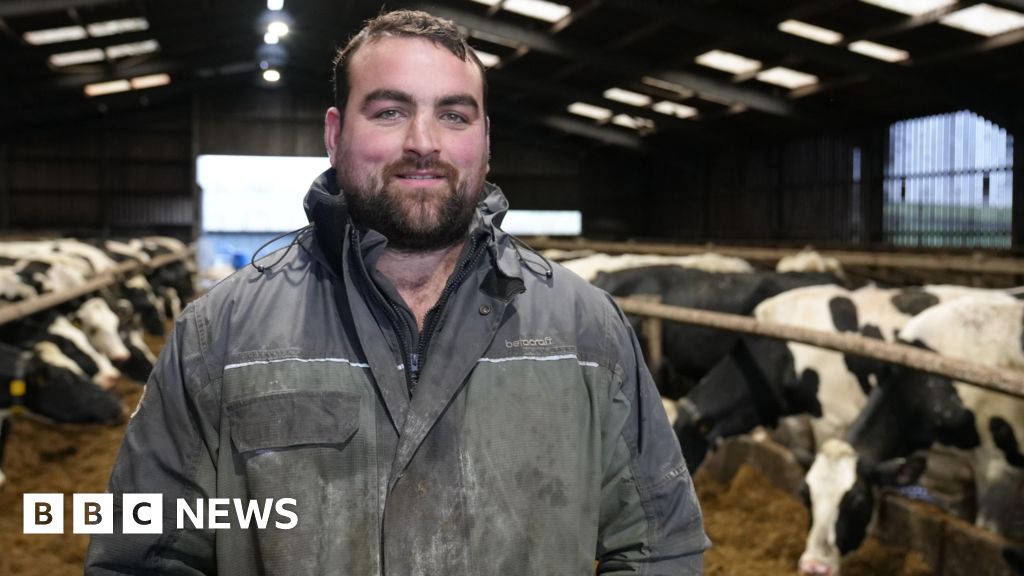
A core tenet of the SFS requires participating farms to actively manage at least 10% of their land as habitat. While some farms, particularly those with existing diverse landscapes, may find this requirement manageable, many dairy farmers have expressed significant concern. They argue that their highly productive land, optimised for grazing and fodder production, offers little scope for setting aside 10% for habitat without drastically reducing herd sizes and, consequently, their income. Dairy farmer Gethin Hughes from Ffostrasol, Ceredigion, while deciding to join the SFS himself for the "security" it offers against volatile milk prices, acknowledged this division, stating, "a lot of my friends who are dairy farmers are saying they can’t join as they don’t have the habitat land. They’ll have to cut back on cows and there’s no point them carrying on farming then."
The initial versions of the government’s plans were widely branded "unworkable" by farming unions, sparking the widespread dissent. In response to the growing unrest, when Huw Irranca-Davies took over the rural affairs brief in March 2024, he announced a further delay to the scheme’s introduction and initiated a series of roundtable discussions involving farmers, environmentalists, and other stakeholders. This period of intense negotiation aimed to iron out contentious points and build a more consensus-driven framework, ultimately leading to the final details being unveiled this summer.
Under the refined SFS, farms that choose to participate will commit to 12 "universal actions" in exchange for an entry-level payment. These actions encompass a range of sustainable practices designed to enhance biodiversity, improve water quality, and reduce carbon emissions. Examples include maintaining and restoring hedgerows, reducing the use of pesticides and artificial fertilisers, improving soil health, and even attending online courses focused on sustainable farming techniques. The scheme also promises additional funding layers for more ambitious environmental projects and for farms that engage in collaborative efforts to achieve landscape-scale ecological benefits.
Despite the revisions, NFU Cymru’s Abi Reader noted that while the framework is now "largely pleased with," there are "still a number of tweaks [to be made] and we still need a budget that will reflect inflation and really deliver for farms and for the countryside." This sentiment reflects a cautious optimism mixed with lingering concerns about the long-term financial viability and adaptability of the scheme. The success of the SFS, she believes, will be initially gauged by the number of farmers who sign up, especially given the looming deadline of 15 May for applications. Farmers who opt not to join the SFS will face a substantial 40% cut to their old subsidies this year, which are being phased out.
From an environmental perspective, the SFS is seen as a crucial step, though some argue it may not be ambitious enough. Arfon Williams of RSPB Cymru suggested that the entry-level payment would primarily help farmers "maintain" existing habitats and wildlife, rather than driving significant restoration. He emphasised that the "big environmental benefits" would stem from the optional and collaborative funding layers, which need to be developed and implemented "as quickly as possible" to meet the Welsh government’s target of halting biodiversity loss by 2030. Williams stressed that farmers are key to nature restoration but require the necessary "tools and the support to do the job."
Deputy First Minister Huw Irranca-Davies acknowledged the challenges and stated that "bringing the SFS into a reality" was "a significant achievement." He highlighted the co-designed nature of the scheme and its dynamic structure, allowing for future adjustments. While conceding that "it doesn’t mean everyone’s 100% happy," he expressed pride in the outcome and encouraged farmers to engage with the scheme. He confirmed that while no "arbitrary target" for sign-ups existed, participation numbers would indeed serve as an early indicator of its success.

The political landscape surrounding the SFS remains fractured. Samuel Kurtz MS, Welsh Conservative shadow cabinet secretary for rural affairs, lambasted the scheme as "not fit for purpose," arguing it failed to prioritise food production and food security. He warned of projected job losses, reduced livestock numbers, and declining farm business incomes, pledging that a Tory government would urgently review and replace the SFS with a "food security first" scheme.
Plaid Cymru’s rural affairs spokesperson, Llyr Gruffydd MS, offered a more nuanced view, acknowledging the SFS was "much better" than the original proposal but insisted "there’s still much work to do." He advocated for a more gradual transition to allow the sector time to adapt and called for multi-year funding certainty, contrasting it with the current twelve-month commitment from the Labour-led government. Reform UK Wales echoed conservative criticisms, stating the SFS "doesn’t have the confidence of farmers and is set to deal a hammer blow to the rural economy," demanding it be changed to prioritise "food production and farmers… not green targets."
Welsh Liberal Democrats leader Jane Dodds MS, while recognising the SFS offered "some much needed short-term guarantees" to farmers facing "sustained pressure," maintained it was "not the scheme that the Welsh Lib Dems would have designed" and called for "long-term solutions." Conversely, Anthony Slaughter, leader of the Green Party in Wales, argued that the government "needs to do much more to properly support farmers" and that the "scale of the transition means the scale of funding has to match," expressing doubt that commitment had been seen yet.
As the SFS officially goes live, all eyes will be on the coming months to observe farmer uptake and the practical implementation of its ambitious goals. With more than 90% of Wales’ land area dedicated to farming, the scheme’s success or failure will have profound implications not only for the economic future of rural communities but also for the nation’s biodiversity, landscape, and climate change targets. The "landmark moment" remains deeply intertwined with its "controversial" origins, and its true impact will only unfold over time.


 Ramos Leo
 atisusanti
 Nakalama John
 George Anjay

 Roy Suryo