Roy Suryo
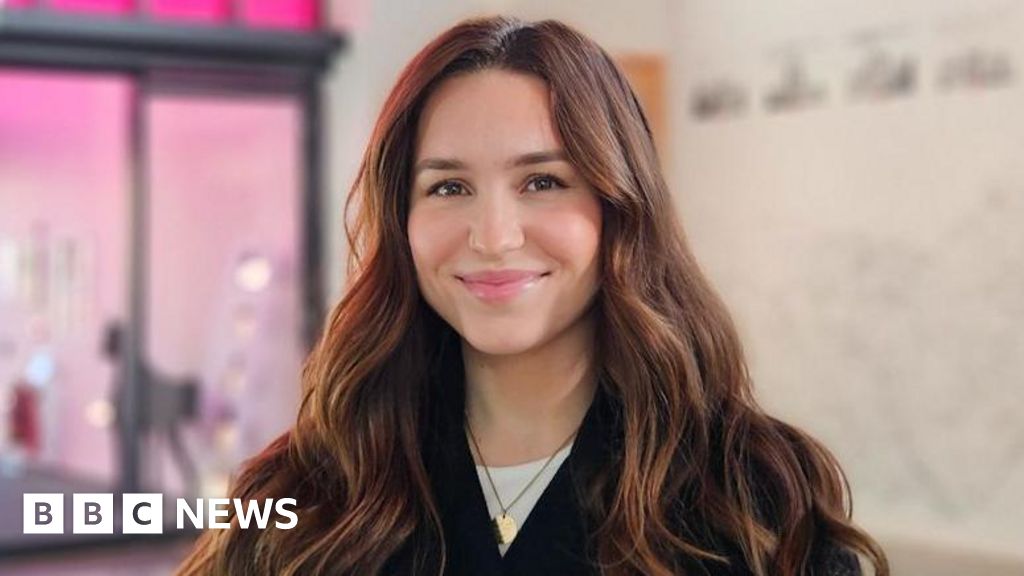
Ekam Dhaliwal’s journey is a testament to the human spirit’s resilience, a profound narrative of recovery and unwavering determination. At a young age, Ekam faced a life-altering diagnosis: a brain tumour. The subsequent surgery, while life-saving, left him with significant challenges, forcing him to embark on the arduous process of relearning fundamental life skills – walking and talking. His experience, shared recently, sheds light on the complex and often invisible battles faced by individuals and families navigating the aftermath of such a serious illness.
The initial impact of the brain tumour and its surgical removal was devastating. Ekam found himself unable to perform actions that most take for granted. The intricate pathways in the brain responsible for motor control and speech had been affected, rendering him physically and verbally incapacitated. Imagine the frustration and fear of a young mind trapped within a body that no longer obeys simple commands. The once fluid movements of walking became a monumental task, each step a victory. Similarly, the ability to articulate thoughts and words, a cornerstone of human connection, was lost, replaced by silence or garbled sounds.
The path to recovery is rarely a straight line; it is a winding, often steep, climb filled with setbacks and triumphs. Ekam’s journey involved intensive rehabilitation, a comprehensive program tailored to address his specific needs. This typically includes physiotherapy to rebuild strength, balance, and coordination for walking, and speech therapy to regain fluency and clarity of speech. Physiotherapists work to re-educate muscles, improve posture, and develop strategies for safe and independent mobility. This might involve learning to use walking aids, mastering transfers from sitting to standing, and gradually increasing stamina and confidence. For Ekam, this meant countless hours of practice, pushing his body to its limits, and celebrating each small improvement – a steady step, a clearer syllable.

Speech therapy is equally crucial, focusing on a range of techniques to improve articulation, voice production, and language comprehension and expression. Therapists might use exercises to strengthen the muscles involved in speech, practice specific sounds and words, and develop communication strategies, such as using augmentative and alternative communication (AAC) devices if verbal communication remains severely impaired. The process is often slow and requires immense patience from both the patient and the therapists. Ekam’s ability to communicate his needs, desires, and emotions would have been profoundly impacted, making the relearning of speech a vital step towards regaining independence and social interaction.
Beyond the physical and cognitive aspects, the emotional and psychological toll of such an experience cannot be overstated. Facing such a profound loss of function can lead to feelings of isolation, depression, and anxiety. Support systems play a critical role in navigating these challenges. Ekam’s family, friends, and medical team would have been instrumental in providing encouragement, understanding, and practical assistance. The "Children in Need" initiative, mentioned in the context of related tags, often supports charities that provide essential services and emotional support to children facing serious health challenges, highlighting the importance of such organizations in the recovery process.
The journey of relearning is not just about regaining lost skills; it’s also about adapting and finding new ways to engage with the world. Ekam’s story, while focused on the immediate aftermath of his surgery, also points towards a future where he can continue to grow and participate in life. The mention of "students" in the tags suggests that this journey may also involve adapting to educational environments and social interactions within a school setting. This requires not only personal resilience but also the understanding and support of educators and peers.

The geographical tags, such as "Oxfordshire County Council," "Oxford," and "Coventry," suggest that Ekam may have received or is receiving specialized medical care and rehabilitation services within these regions. These areas often house renowned medical institutions and local authority support services that can play a vital role in long-term recovery and integration.
The "Health" tag is, of course, central to Ekam’s story, underscoring the profound impact of medical interventions and the ongoing process of healing. The specific mention of "Brain cancer" highlights the severity of the underlying condition and the aggressive nature of the treatments required.

Ekam’s experience, though specific to his individual battle, resonates with a broader understanding of neuroplasticity – the brain’s remarkable ability to reorganize itself by forming new neural connections throughout life. This inherent capacity for change is what makes rehabilitation possible. It’s a testament to the brain’s resilience and its potential for recovery, even after significant trauma.
The act of sharing his story is a powerful step in itself. It not only raises awareness about the challenges faced by individuals recovering from brain tumours but also offers hope and inspiration to others who may be on a similar path. By speaking out, Ekam becomes an advocate, a living example of what can be achieved with courage, perseverance, and the right support. His experience underscores the importance of early diagnosis, advanced surgical techniques, and comprehensive, long-term rehabilitation services. It also highlights the critical role of emotional and psychological support in the recovery process, emphasizing that healing extends far beyond the physical realm. Ekam Dhaliwal’s story is a beacon of hope, a powerful reminder of the indomitable human spirit’s capacity to overcome adversity and to relearn, rebuild, and ultimately, to thrive.

 Ramos Leo
 atisusanti
 Nakalama John
 George Anjay