
 Ramos Leo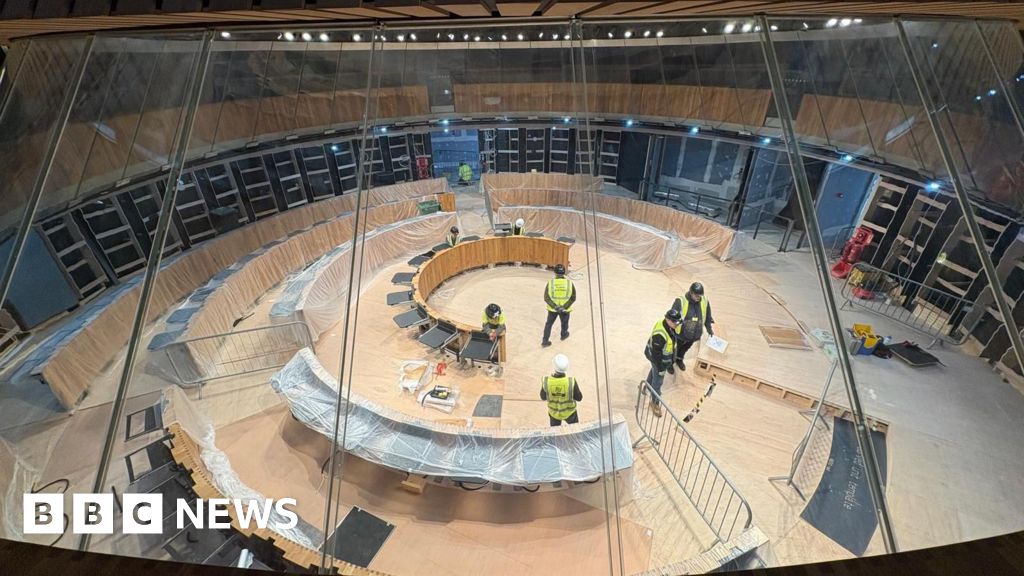
As the people of Wales usher in a new era, their parliament, the Senedd, stands on the brink of an unprecedented transformation, described by its own presiding officer as a "once in a century change." The upcoming Senedd election in May 2026 is poised to be profoundly different from any previous contest, ushering in a series of reforms that will fundamentally reshape Welsh democracy. Voters will encounter an expanded legislature, a new electoral map, and an entirely new voting system, making the next election arguably the most significant since devolution began in 1999.
Central to these reforms is a substantial increase in the number of Members of the Senedd (MSs), growing from the current 60 to a total of 96. This expansion aims to enhance the Senedd’s capacity to scrutinise legislation, hold the Welsh Government accountable, and provide more robust representation for the nation’s 3.1 million citizens. Beyond the numbers, the electoral landscape itself is being redrawn. The existing 40 constituencies, which currently elect one MS each, will be abolished. In their place, 16 new multi-member constituencies will be established, with each electing six MSs through a newly adopted proportional voting system. This shift marks a significant departure from the mixed-member proportional system previously in use, promising a more directly proportional outcome and potentially altering the balance of power in Cardiff Bay.
The implications of these changes extend beyond mere procedural adjustments. With recent polls hinting at a potential political shake-up – suggesting Labour’s long-held dominance in Wales could be challenged by rising support for Plaid Cymru and Reform UK – the 2026 election promises to be a crucible for Welsh politics. While political commentators, academics, and the media are closely following every detail of these planned reforms, a critical challenge looms: ensuring that the Welsh electorate is fully aware and understands the magnitude of what is to come.
"There’s a lot of change coming this way, and it’s hard enough to communicate one change… let alone all these changes," remarked Jess Blair from Electoral Reform Society Cymru. She highlighted the immense task of informing the public about the multifaceted nature of the reforms. Blair’s message to voters is clear and concise: "register to vote and turn out on 7 May." However, achieving this turnout, particularly with such radical shifts, represents a significant hurdle for campaigners and electoral bodies alike.
Historically, engaging the Welsh electorate in Senedd elections has been a persistent challenge. Turnout figures have consistently remained below 50% in every Assembly or Senedd election since its establishment. This low participation has often been attributed to a perceived lack of clarity regarding the Senedd’s powers and purpose, coupled with insufficient media coverage compared to Westminster elections. The upcoming reforms, while aiming to strengthen the institution, introduce an additional layer of complexity that could either stimulate unprecedented interest or deepen existing voter apathy if not communicated effectively.
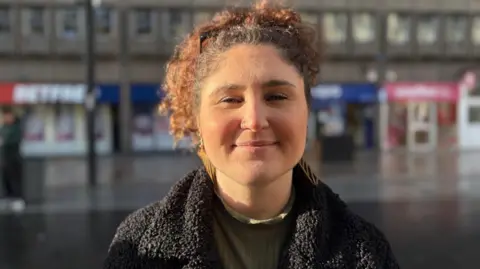
A recent informal poll conducted on St Mary Street in Cardiff underscored the scale of the public awareness problem. The responses revealed a widespread lack of knowledge about the impending changes. One young mother, pushing a pram, candidly admitted, "I haven’t got a clue about none of it," expressing a desire for more accessible information. Alice Cockrell, another resident, acknowledged awareness of constituency changes but was surprised to learn about the new voting system and the increased number of MSs. "I read a lot of news on my phone and on TV and stuff and I’ve not heard of these changes," she stated, highlighting the gap between political discourse and public understanding. Jonathan Harris echoed this sentiment, lamenting, "There should be more information for people. We don’t know nothing about it." These anecdotal accounts paint a clear picture: a significant portion of the electorate remains in the dark about the profound democratic shift on their horizon.
Yvonne Murphy, founder of The Democracy Box – an educational resource dedicated to fostering political understanding – articulated the core of the problem. "Every time an election comes up we have this frenzy of ‘we must get people to the polls and we must register people to vote,’ but why would you want to partake in something that you don’t understand?" Murphy posed. She drew a compelling analogy, stating, "It’s like sitting down at Christmas and asking someone to play a game of Monopoly without explaining the rules." Her comments underscore the fundamental need for comprehensive civic education and accessible information if the reforms are to achieve their democratic potential and not simply confuse or alienate voters.
Meanwhile, preparations are well underway to physically accommodate the expanded Senedd. The debating chamber in Cardiff Bay is undergoing significant renovation, a visible manifestation of the impending changes. An extra row of desks has been meticulously added, and the chamber’s technology is being upgraded to support the 36 additional MSs. This extensive work comes with an estimated price tag of £4.2m to the taxpayer. These improvements are designed not just to house more politicians but to create a more efficient and modern legislative environment capable of handling the increased workload that a larger Senedd is expected to undertake.
The expansion and reforms were a policy championed by a cross-party agreement involving Welsh Labour, Plaid Cymru, and the Welsh Liberal Democrats. Proponents argue that the current Senedd, with its limited number of MSs, has become stretched in its ability to effectively scrutinise the growing powers devolved to Wales since 1999. They contend that a larger legislature is essential for robust democratic oversight, better committee work, and a more diverse range of voices representing the Welsh people. However, these changes have not been without their critics. The Welsh Conservatives, for instance, have consistently argued that increasing the number of politicians, particularly at a time of economic constraint, represents a waste of taxpayers’ money and is not a priority for the public. They maintain that the focus should be on delivering better public services, not expanding political institutions.
The electoral reforms will see the number of constituencies drastically cut from 40 to 16. Each of these larger, multi-member constituencies will elect six MSs, all through a new, fully proportional voting system. This represents the most significant overhaul of the Senedd’s structure and electoral mechanics since its inception. Elin Jones, the Senedd’s presiding officer (Llywydd), encapsulated the historical weight of these changes. "It’s the opportunity to do the work of a Senedd properly and Wales deserves no less than that," she stated, her words punctuated by the distant sounds of construction work echoing through the chamber. For Jones, whose tenure as Llywydd will conclude after the 2026 election, these reforms represent the culmination of a long-held vision for a more capable and effective Welsh parliament.
Despite the inherent complexities and the tight deadline, Jones expressed not nervousness but "excitement at the prospect of Wales finally getting the chance to elect a parliament that is fully, effectively able to fulfil the functions of a parliament." She acknowledged the immense scale of the reforms for the public and stressed the collective "responsibility" of politicians and the Senedd itself to clearly explain these changes to voters.

The 2026 election will ultimately determine not only the composition of this new, expanded Senedd but also who will govern Wales in the years ahead. Labour’s recent struggles in opinion polls, coupled with the new electoral system, introduce "a degree of jeopardy… that we haven’t seen in Wales for a time," Jones observed. This increased political competition, she hopes, will serve as a catalyst, motivating the people of Wales to "engage and to use their vote." The challenge, however, remains to bridge the gap between institutional ambition and public understanding, ensuring that this "once in a century change" truly empowers the citizens it seeks to serve.




 atisusanti
 Nakalama John
 George Anjay
 Roy Suryo