
 George Anjay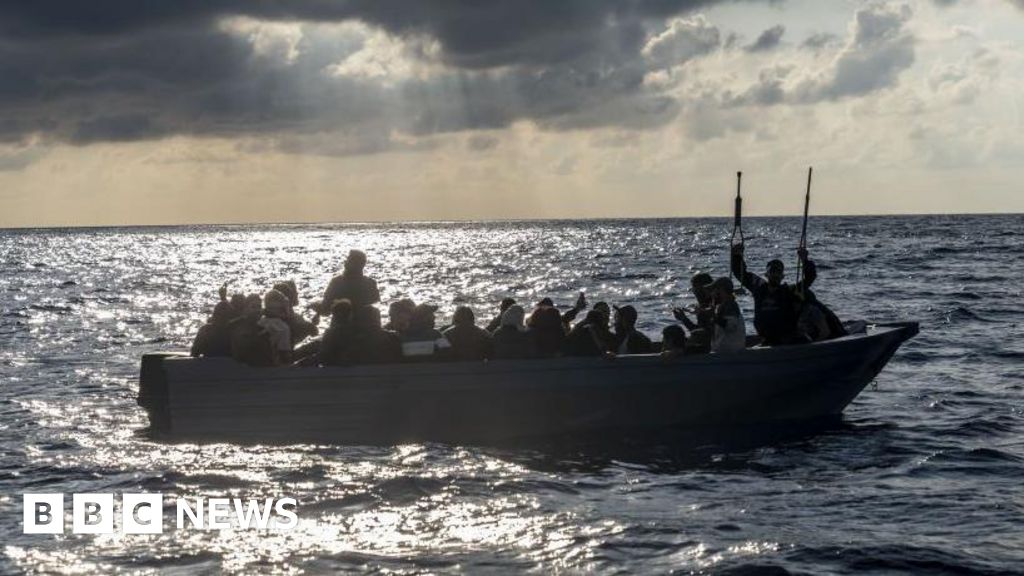
At least seven people have died and dozens more are feared missing after a vessel crammed with approximately 200 migrants attempting the perilous journey to Europe capsized off the coast of The Gambia, officials have confirmed. The tragedy unfolded near Jinack village in the North Bank Region on Wednesday midnight, with the boat subsequently found grounded on a sandbank, according to a statement released by the country’s defence ministry. A frantic search-and-rescue operation has been launched, with 96 individuals successfully pulled from the treacherous waters so far. However, the grim reality is that many more passengers aboard the shipwrecked vessel, which was charting a course towards Spain’s Canary Islands, are still unaccounted for.
The Atlantic Ocean route to the Canary Islands has become an increasingly grim and common pathway for African migrants seeking refuge and a better life in Europe. The sheer scale of this migration is starkly illustrated by the fact that nearly 47,000 people reached the Canary Islands in 2024 alone. Behind these numbers lie immense human suffering, with the Spanish non-government organisation Caminando Fronteras estimating that more than 9,000 migrants have tragically lost their lives attempting this crossing. This latest incident serves as a brutal reminder of the extreme risks undertaken by those desperate enough to flee poverty, conflict, and lack of opportunity in their home countries.
Following the catastrophic capsizing, the Gambian Navy swiftly mobilized a comprehensive search-and-rescue operation. This extensive effort involves multiple naval vessels, with crucial assistance also provided by a fishing boat that happened upon the scene. The authorities have not yet disclosed the specific type of boat involved in the incident, but it is understood that such vessels are typically large wooden canoes. These craft are woefully inadequate and not designed for the immense challenge of traversing more than 1,500 kilometers (900 miles) across the volatile Atlantic Ocean. Furthermore, these boats are frequently overloaded, significantly increasing the inherent danger.
Adding another layer of complexity and tragedy to the situation, several of the victims are not Gambian nationals. Their identities are currently in the process of being verified, a painstaking task that underscores the transnational nature of this migration crisis. The recovery of seven bodies has been confirmed, a somber testament to the devastating loss of life. In addition to the fatalities, 10 of the rescued individuals are reported to be in critical condition, receiving urgent medical attention. Their survival hangs in the balance, a stark illustration of the physical and psychological toll of such a harrowing ordeal.
The Gambia, a small West African nation, is increasingly being utilized by migrants and asylum seekers from across the region as a critical launchpad for the arduous crossing to Spain’s Canary Islands. From there, many aspire to reach mainland Europe in search of safety and opportunity. This shift in migration routes is a direct consequence of increased efforts by the European Union to curb irregular migration through agreements with North African countries. While these measures aim to control borders, they have inadvertently pushed desperate individuals towards the longer, more perilous, and often fatal Atlantic Ocean route. The allure of a better future in Europe, however distant and dangerous the journey, continues to drive thousands to take unimaginable risks. The conditions in many of the countries of origin, marked by political instability, economic hardship, and a lack of basic necessities, leave many with little choice but to embark on these perilous journeys. The international community faces the persistent challenge of addressing the root causes of migration while simultaneously seeking to mitigate the devastating human cost of these dangerous routes. The capsized boat off the coast of The Gambia is a tragic, but not isolated, incident, highlighting the urgent need for comprehensive solutions to the complex global migration crisis. The stories of those lost and those who survived are a stark reminder of the human faces behind the statistics, individuals driven by hope and desperation, whose dreams of a better life were tragically extinguished on the unforgiving waters of the Atlantic. The international community’s response, from humanitarian aid to addressing the underlying causes of displacement, remains a critical and ongoing endeavor.


 Ramos Leo
 atisusanti
 Nakalama John

 Roy Suryo