Ramos Leo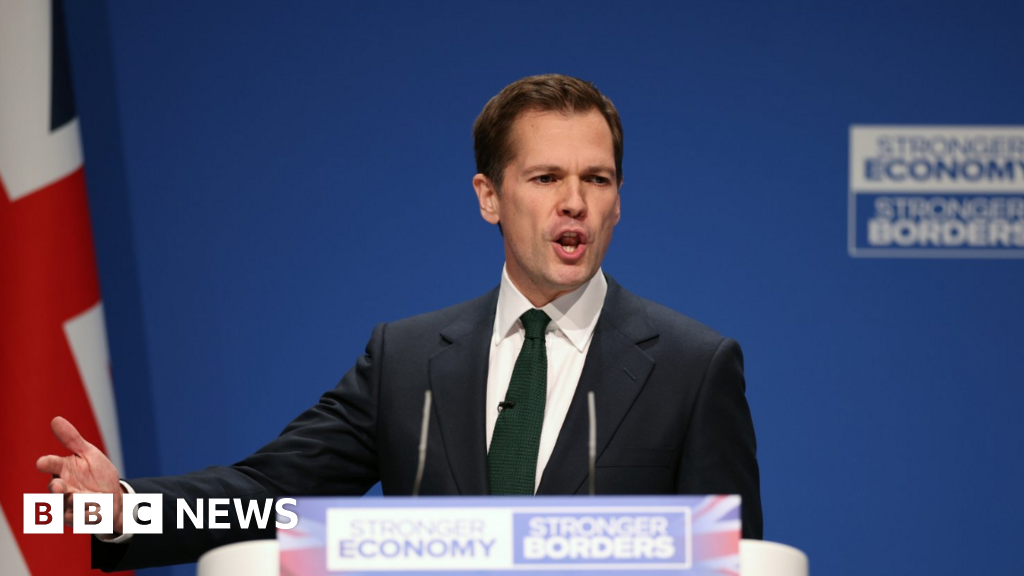
For months, whispers of Jenrick’s ambitions for the Conservative leadership had been circulating through the corridors of power. Having finished a respectable second in the party’s 2024 leadership election, Jenrick was seen by many as a potential future leader, cultivating a public profile through creative social media engagement that broadened his appeal. However, the nature of the allegations that led to his sacking took a far more treacherous turn than mere internal rivalry. Badenoch asserted she had been presented with "clear, irrefutable evidence" of Jenrick actively plotting to defect to Nigel Farage’s burgeoning Reform UK party, specifically in a manner "designed to be as damaging as possible" to the Conservative Party and his shadow cabinet colleagues.
This dramatic development unfolds against a backdrop of increasing anxiety within the Conservative ranks, particularly following the high-profile defection of former chancellor Nadhim Zahawi to Reform UK just days prior. Zahawi’s move on Monday, seen as the latest and most senior figure to abandon the Tories for Farage’s party, underscored a growing trend that has Conservative MPs genuinely fearful their party is being systematically usurped. Jenrick’s alleged plot, therefore, appears to be part of a larger, coordinated strategy to inflict maximum damage on the governing party, echoing the fears that Reform UK is becoming a legitimate threat to the Conservatives’ traditional base.
A Conservative source, speaking to the BBC, corroborated Badenoch’s claims, stating there was "plenty of evidence" indicating Jenrick’s increasingly close alignment with Reform. The source detailed that "material" had been discovered "lying around," which provided the "irrefutable evidence" of his preparations to defect. Furthermore, it was alleged that this defection was being meticulously planned to occur "quite soon" and "in the most damaging way possible for the party." Specific allegations included a dinner Jenrick purportedly shared with Farage last month, and that Jenrick’s team had been in discussions with "various people" regarding the logistics and timing of such a move. Jenrick, the Member of Parliament for Newark, has remained conspicuously silent in the immediate aftermath of his sacking, failing to respond to requests for comment as the political storm raged around him.
The former Reform UK leader, Nigel Farage, addressed the allegations during a press conference in Edinburgh, vehemently denying any specific plot to unveil Jenrick as a Reform candidate on Thursday afternoon, a time slot Farage himself had scheduled for another press conference in London. Farage, however, did not shy away from admitting that he had "absolutely" been in talks with Jenrick about the possibility of him joining Reform. He posited that Badenoch had "panicked" and "added up two plus two to make five," while acknowledging the broader phenomenon of former Tory MPs gravitating towards Reform. "There’s been quite a long list of former Tory MPs that are joining us, so she’s aware that there is that move," Farage stated. When pressed on whether Jenrick would be welcomed into Reform, Farage expressed his intention to call Jenrick that very afternoon to discuss the matter, notably highlighting Jenrick’s resignation as Minister for Immigration as a "big tick against his name," implying an ideological alignment.
The political reverberations of Jenrick’s sacking were immediate and far-reaching. In the House of Commons, Labour MP Josh Simons directly questioned Reform MP Sarah Pochin about Jenrick’s potential move to her party. Pochin’s response – a telling smile accompanied by a wide-armed shrug – was widely interpreted as a non-denial, further fueling speculation and confirming the underlying tension and anticipation in Westminster.
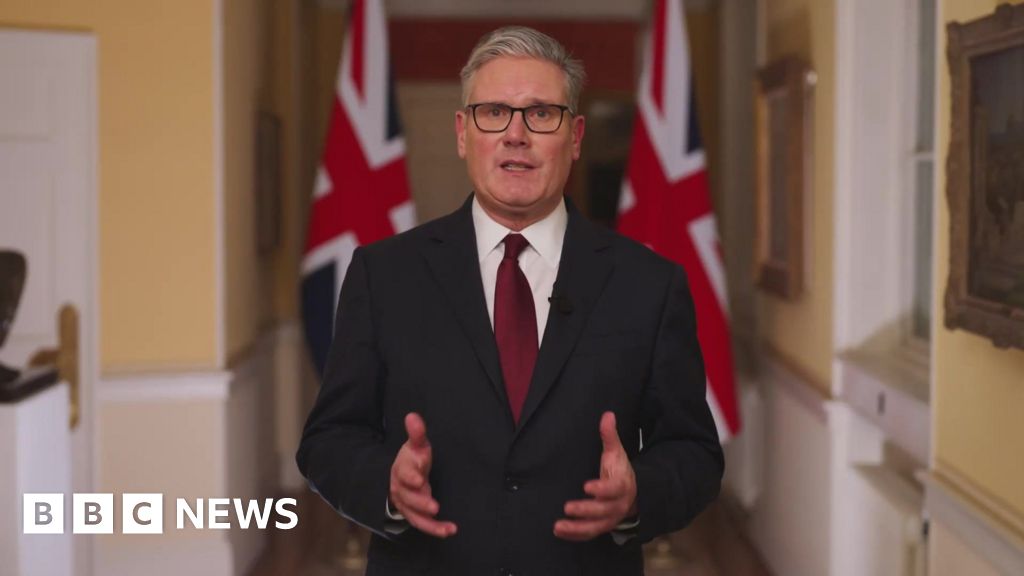
In her powerful two-minute video statement, Kemi Badenoch reiterated the severe nature of the evidence against Jenrick. "I was presented with clear, irrefutable evidence that he was plotting in secret to defect in a way designed to be as damaging as possible to his shadow cabinet colleagues and the wider Conservative Party," she affirmed. Badenoch also framed her decisive action as a stand against the prevalent "political psychodrama" that has plagued British politics, particularly during recent Conservative governments. "The British public are tired of political psychodrama and so am I. They saw too much of it in the last government, they’re seeing too much of it in THIS government. I will not repeat those mistakes," she declared, seeking to project an image of firm leadership and a desire to restore stability.
Jenrick’s sacking marks a truly pivotal moment for the future of the British right wing. Conservative MPs are now openly expressing their profound fear that their historically dominant party is being systematically undermined and potentially usurped by Reform UK. Just over a year ago, when Badenoch assumed the leadership, the Conservative Party still enjoyed a polling advantage over Reform. However, the political landscape has dramatically shifted in 2025, with Reform UK consistently gaining ground and presenting a credible challenge, particularly on issues like immigration and cultural policy, which have traditionally been Conservative strongholds. The Conservative Party, often lauded as the most successful political party in the democratic world due to its remarkable longevity and electoral success, now faces an existential threat. If Jenrick was indeed planning to defect to Reform, as Badenoch alleges, it would represent not merely a blow, but a crushing psychological and strategic defeat for the party, losing a high-profile figure who narrowly missed out on the leadership himself.
Jenrick’s past performance in the 2024 leadership election and his innovative use of social media had cemented his prominence within the party and among a segment of the electorate. Badenoch’s audacious gambit, therefore, has transformed the broader question of the British right’s future into an immediate and intensely personal question of Jenrick’s next move. His silence only heightens the anticipation. Will he confirm the allegations? Will he announce his defection to Reform? Or will he launch a counter-attack against Badenoch?
The opposition was quick to capitalize on the Conservative Party’s internal strife. A Liberal Democrat source delivered a scathing assessment: "The Conservative shadow cabinet makes The Traitors roundtable look united." The source further lamented the state of British politics, stating, "The country deserves better than a clapped out Labour government and the same old Conservative chaos." This commentary encapsulates the perception of disarray that has come to define the Conservative Party in recent times, exacerbated by high-profile defections and internal purges.
The dramatic sacking of Robert Jenrick is more than just a personnel change; it is a profound symptom of the deep ideological schisms and strategic anxieties gripping the Conservative Party. It underscores the growing allure of Reform UK for disillusioned Tories, and highlights the high-stakes battle for the soul of the British right. Kemi Badenoch has taken a decisive, risky step to assert her authority and draw a line in the sand, but the ultimate success of her gambit hinges on whether it stems the tide of defections or merely intensifies the internal warfare. The coming days and weeks will be crucial in determining Jenrick’s future, the stability of Badenoch’s leadership, and indeed, the very trajectory of Conservative politics in the United Kingdom.

 Nakalama John
 George Anjay