Nakalama John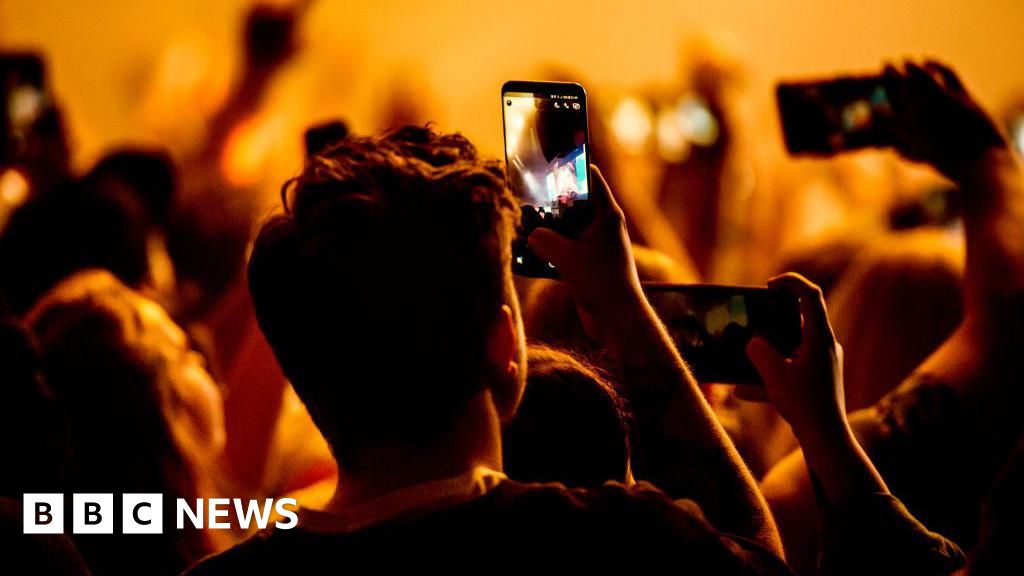
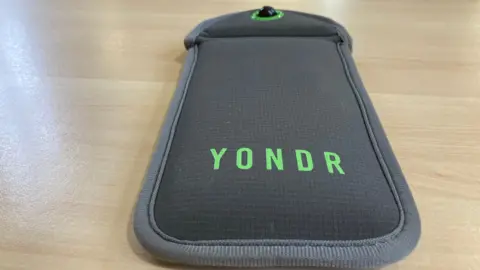
The mechanics of achieving such a large-scale phone ban are surprisingly simple and unobtrusive. Upon entry to a venue, concert-goers or students place their mobile phones into a fabric pouch, typically manufactured by companies like Yondr or Hush Pouch. This pouch is then secured with a magnetic lock, rendering the phone inaccessible but allowing the owner to retain possession of their device. The magnetic lock is only released by designated staff at specific exit points or at the conclusion of the event, ensuring that the device remains locked for the duration required. This ingenious solution allows individuals to maintain the security of their personal property while enforcing a temporary digital detox.
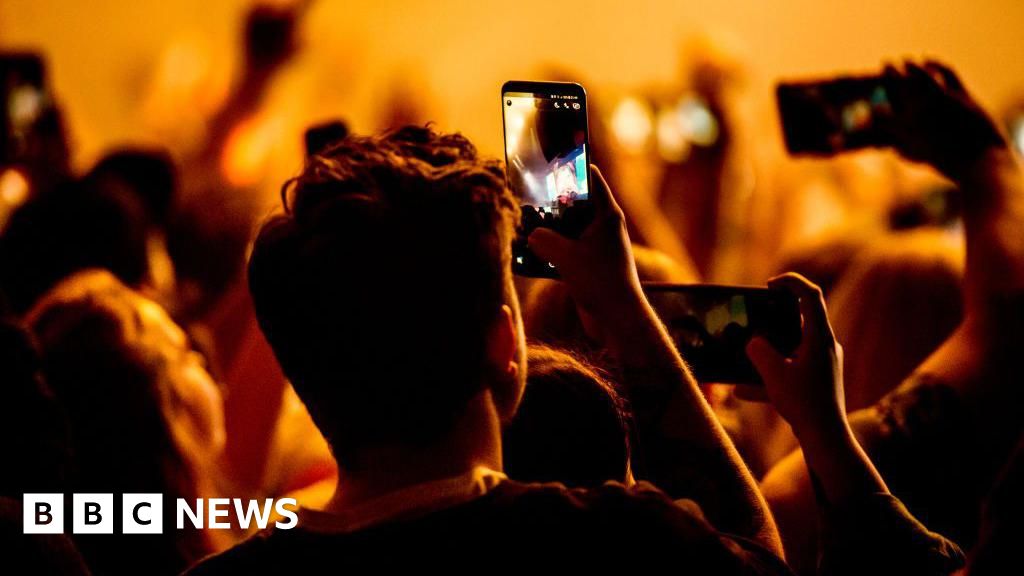
For performing artists, the benefits of a phone-free environment are profound. Many, including comedy titan Dave Chappelle, Grammy-winning artist Alicia Keys, rock legends Guns N’ Roses, multi-talented Childish Gambino (Donald Glover), and acclaimed musician Jack White, have enthusiastically embraced this policy. They speak of a palpable shift in audience engagement, a return to the raw, unmediated energy that defines live performance. Without a sea of glowing screens, performers can connect more deeply with their audience, gauge genuine reactions, and even experiment more freely with their material, unburdened by the immediate prospect of every moment being captured, scrutinized, and uploaded. Sabrina Carpenter, in an interview with Rolling Stone in June, also expressed her consideration for implementing phone bans at her future concerts, signaling a broader industry trend. This newfound freedom allows for a more authentic, less self-conscious creative expression, fostering an atmosphere where both artist and audience are fully present in the shared moment.
Music lovers, too, are increasingly finding themselves drawn to the allure of phone-free gigs. Shannon Valdes, a fan at a Lane8 DJ set, eloquently articulated this sentiment on social media: "It was refreshing to be part of a crowd where everyone was fully present – dancing, connecting, and enjoying the best moments – rather than recording them." This desire for unmediated experience speaks to a growing fatigue with the pressure to document everything, often at the expense of truly experiencing anything. Without the constant urge to film, photograph, or post, attendees are liberated to immerse themselves in the music, the atmosphere, and the communal joy of a live event, forging deeper connections with both the performance and fellow concert-goers. The absence of phones also mitigates issues like bright screens obstructing views, unintended spoilers for those who haven’t yet attended a multi-night run, and the general loss of intimacy that can occur when a personal experience is immediately made public.
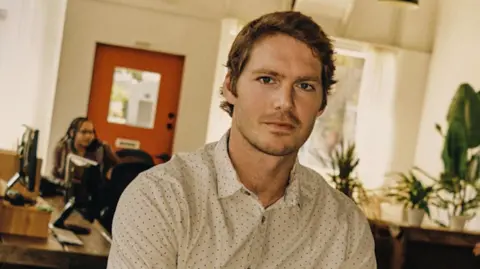
The genesis of this lockable pouch technology can be traced back to a pivotal moment experienced by Graham Dugoni, the founder of Yondr, at a music festival in 2012. He recounted observing a visibly inebriated man dancing exuberantly, only for a stranger to film him and immediately upload the footage online. This casual violation of privacy "kind of shocked" Dugoni, prompting him to ponder the far-reaching implications for the individual and, more broadly, the evolving expectations of privacy in the digital age. Within two years of this "Eureka moment," the 38-year-old former professional footballer, whose career was cut short by injury, channeled his observations into action, founding Yondr, a US-based start-up dedicated to promoting phone-free spaces.
The market for lockable pouches, while still in its nascent stages, is experiencing rapid growth, with new companies emerging to meet demand. These pouches, typically costing between £7 and £30 depending on the supplier and order volume, are not only gaining traction in concert venues but also in theatres, art galleries, and increasingly, educational institutions. Yondr, for instance, has already partnered with approximately 2.2 million schools across America. In England, their reach extends to around 500 schools, serving an estimated 250,000 children. A notable example includes a multi-academy trust in Yorkshire, which made a significant investment of £75,000 in Yondr pouches, underscoring the perceived value of such solutions.

Paul Nugent, the founder of Hush Pouch, entered this market after two decades of installing lockers in schools, bringing a wealth of insight into the unique challenges faced by educational leaders. He acknowledges that while the initial outlay for a phone-locking system might seem substantial, and some question why simpler bans aren’t sufficient, the deeper benefits outweigh these concerns. "Smartphones create anxiety, fixation, and FOMO – a fear of missing out," Nugent explains. "The only way to genuinely allow children to concentrate in lessons, and to enjoy break time, is to lock them away." This holistic view emphasizes that the issue extends beyond mere distraction to encompass student mental health and social development.
Indeed, school leaders who have adopted phone-free policies report a multitude of positive outcomes. Yondr’s Dugoni highlights "notable improvements in academic performance" and a significant "reduction in bullying" within schools. The Vale of York Academy in York, which implemented the pouches in November, serves as a testament to these benefits. Headteacher Gillian Mills shared with the BBC: "It’s given us an extra level of confidence that students aren’t having their learning interrupted. We’re not seeing phone confiscations now, which took up time, or the arguments about handing phones over, but also teachers are saying that they are able to teach." This reflects a fundamental shift, allowing educators to focus on their primary role and students to engage more fully with their learning and each other.
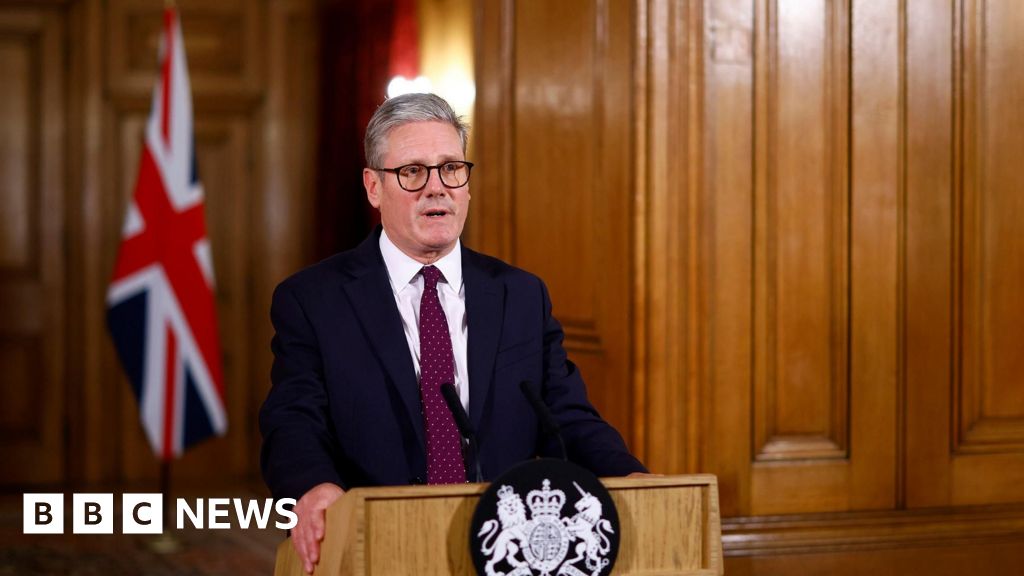
The debate around smartphone use in schools has also entered the political arena. Conservative leader Kemi Badenoch has explicitly stated her party’s intention to "seek to ban smartphones altogether from schools" if they form the next government. While the Labour government has stopped short of an England-wide ban, preferring to empower headteachers to make decisions, it has initiated a consultation on banning social media for under-16s. Furthermore, as part of a broader suite of measures, England’s education inspectorate, Ofsted, will be granted powers to scrutinize schools’ phone use policies, with ministers signaling an expectation for schools to be "phone-free by default." This political momentum underscores the increasing recognition of the potential harms of unrestricted smartphone access for young people.
Despite these measures, Nugent notes that parents often express a preference for their children to carry phones for safety during commutes to and from school, rather than leaving them at home entirely. The lockable pouch system offers a pragmatic compromise, allowing students to have their devices for emergencies or travel while ensuring they are inaccessible during the school day. Nugent candidly admits the initial challenges of implementation: "The first week or so after we install the system is a nightmare. Kids refuse, or try and break the pouches open." However, he adds, "But once they realise no-one else has a phone, most of them embrace it as a kind of freedom." This "freedom" comes from the removal of social pressure and the pervasive pull of digital notifications, allowing children to reconnect with their immediate environment and peers.
This burgeoning movement for phone-free spaces stands in direct contrast to the relentless growth of social media platforms and AI-driven algorithms, meticulously engineered by San Francisco tech giants to maximize smartphone engagement. Yet, Nugent firmly believes that a societal pushback is gathering significant momentum. "We’re getting so many enquiries now. People want to ban phones at weddings, in theatres, and even on film sets," he reveals. He argues that while carrying a powerful computer in one’s hand offers undeniable benefits, smartphones also expose individuals to "a lot of misdirection and misinformation." Forcing a temporary break, particularly for young people, yields "so many positives, not least for their mental health."
Graham Dugoni echoes this sentiment, suggesting humanity is approaching a critical "crossroads." He warns, "We’re getting close to threatening the root of what makes us human, in terms of social interaction, critical thinking faculties, and developing the skills to operate in the modern world." The danger, he posits, lies in "outsourc[ing] those, with this crutch in our pocket at all times," potentially "undermining what it means to be a productive person." This, Dugoni concludes, is "a moment where it’s worth pushing back and trying to understand where we go from here." The joyous, present-moment experience shared by those 4,500 fans singing along to "Hey Jude" under the late September Californian sunset, unburdened by the digital leash, might just be a powerful testament to the validity of his point. The debate is no longer about convenience versus inconvenience, but about the profound impact on human connection, attention, and well-being.


 Ramos Leo
 George Anjay