Nana Banana
One compelling narrative comes from Larissa Hope, who attributes her recovery from a debilitating mental health condition to psilocybin. Her experience began at 17, thrust into the spotlight by her role in the TV drama Skins. This sudden fame unexpectedly unearthed deeply buried trauma, leading to severe depression and suicidal ideation. Traditional antidepressants proved ineffective, offering little relief. It was a single, carefully administered dose of psilocybin, taken under rigorous clinical supervision, that marked a pivotal turning point in her life. She vividly recalls the profound emotional release: "When I experienced it, I burst out crying. It was the first time in my life I had ever felt a sense of belonging and safety in my body I kept saying, ‘I’m home, I’m home’." Nearly two decades later, Larissa firmly believes this experience, combined with subsequent psychotherapy, was instrumental in helping her confront and overcome her suicidal feelings. Her story exemplifies the potential for deep, transformative insights that some patients report.
However, not all experiences are positive, underscoring the critical need for caution. Jules Evans, a university researcher, recounts a starkly different, harrowing encounter with psychedelics. At 18, a recreational LSD trip spiralled into a "deluded" state. He describes believing he was the subject of widespread criticism and judgment, convinced he had inflicted permanent psychological damage. "It was the most terrifying experience of my life," he states. This single event led to years of social anxiety, panic attacks, and a diagnosis of post-traumatic stress disorder (PTSD). Today, Evans directs the Challenging Psychedelic Experiences Project, an initiative dedicated to supporting individuals who have suffered adverse reactions to psychedelics. His work highlights the dark side of these powerful substances and the imperative to understand and mitigate potential harms.
These two profoundly contrasting personal accounts encapsulate the central dilemma confronting healthcare professionals, regulators, and politicians: should the NHS sanction and prescribe treatments involving magic mushrooms and other potent psychedelic drugs? The question has resurfaced with urgency following a surge of new scientific studies. These investigations suggest psychedelic drugs could offer breakthrough treatments for a range of mental health disorders including major depressive disorder (MDD), treatment-resistant depression (TRD), obsessive-compulsive disorder (OCD), PTSD, complex trauma, and various addictions such as alcohol and gambling.

Currently, psychedelic medicine remains illegal for general use, permissible only within authorised research and clinical trials. Since 2022, over 20 such trials have been underway in the UK, exploring different psychedelic compounds for mental health conditions. While many studies report promising results, indicating therapeutic benefits, others have yielded mixed or inconclusive findings. Crucially, only a handful have definitively shown no benefit on their primary outcome measures. Later this year, results are anticipated from one of the largest global clinical trials into psilocybin use, conducted by the UK biotech firm Compass Pathways. The UK’s medicines regulator eagerly awaits this data, as it will be crucial in their consideration of whether to relax current stringent restrictions and permit the use of psilocybin outside of research settings.
Professor Oliver Howes, chair of the Royal College of Psychiatrists’ Psychopharmacology Committee, expresses cautious optimism. He views psychedelics as a potentially vital new class of treatment for psychiatric disorders, including for NHS patients. "One of the key messages is that this is something we desperately need – more treatments and better treatments for mental health disorders," he asserts. He emphasizes their potential to "work quicker" than conventional antidepressants. However, he also stresses the necessity of robust evidence, warning against "overhyping the potential benefits" before comprehensive trial results are available. The Royal College of Psychiatrists itself issued a report in September 2025, urging caution and highlighting the inherent dangers of psychedelics, reminding doctors that unsupervised use is illegal and potentially harmful.
A significant draw of psychedelics lies in their potential to be faster-acting and, in some cases, to have fewer side effects than existing medications. The use of mind-altering substances is deeply rooted in human history, with magic mushrooms, opium, and cannabis employed for millennia in rituals and recreation. In the 1960s and 70s, LSD became synonymous with the counterculture movement, popularized by figures like Harvard psychologist Timothy Leary, who famously urged young people to "turn on, tune in, drop out." However, this era of widespread recreational use quickly led to psychedelics being associated with social unrest and perceived moral decline. By the late 1960s and early 1970s, these drugs were banned, and scientific research into their therapeutic potential was severely curtailed.
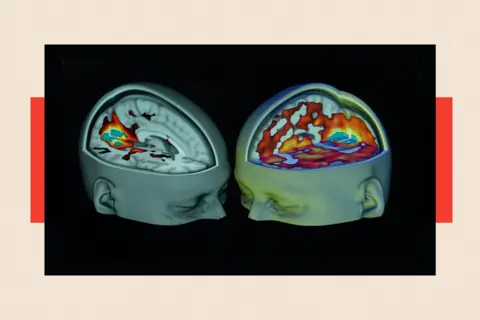
A new era for psychedelic research began in the 2010s, largely spearheaded by Professor David Nutt and his team at Imperial College London. Their groundbreaking work initiated a process that may ultimately reverse decades of prohibition. Subsequent clinical trials on depressed patients suggested that psilocybin could be as effective as conventional antidepressants, with the added advantages of fewer side effects and remarkable speed of action. Prof. Nutt explained his hypothesis: "We thought rather than wait for eight weeks for antidepressants to switch off the part of the brain associated with depression, maybe psilocybin could switch it off in the space of a few minutes." While scientifically compelling, this perspective isn’t universally accepted and has occasionally generated controversy, as evidenced by Prof. Nutt’s dismissal from his role as chair of the government’s drugs advisory body in 2009 following controversial public statements. Nevertheless, his pioneering studies have inspired numerous investigations worldwide into the therapeutic benefits of various psychedelic compounds.
At University College London, neuroscientist Dr. Ravi Das is exploring how psychedelics might address addiction. His research focuses on dimethyltryptamine (DMT), a short-acting psychedelic, to target the brain’s memory and learning systems in heavy drinkers. This builds on evidence suggesting psilocybin can disrupt habitual behaviours linked to addiction. Dr. Das explains, "Every time someone drinks, a bit like Pavlov’s dog, you’re learning to associate things in the environment with the rewarding effect of alcohol. We’ve been focusing on whether certain drugs, such as psychedelics can break down those associations." This early-stage study, if successful, aims to pave the way for NHS treatment (pending regulatory approval). Dr. Das champions equitable access: "If psychedelic therapies prove to be both safe and more effective than current treatments, I would hope to see them made accessible via the NHS – rather than to just the privileged few who can afford them privately."
Ketamine, which Dr. Das previously studied, holds a different legal status in the UK, allowing its use in medical treatment. However, other psychedelics like DMT, LSD, psilocybin, and MDMA are classified as having no legitimate medical use, placing them under the strictest controls (Schedule 1). This classification severely restricts research, requiring difficult-to-obtain medical licenses. Dr. Das hopes that accumulating scientific evidence from successful trials will compel the government to revise the scheduling of these drugs.

However, an analysis published in the British Medical Journal in November 2024 by Cédric Lemarchand and colleagues raises important questions about accurately assessing psychedelic drug effects. They noted the difficulty in separating the drug’s impact from the psychotherapy component often integrated into treatment, complicating comprehensive evaluations. The analysis also warned that short-term trials might not detect potential long-term harm or serious adverse events and stressed the need to consider the potential for abuse or misuse.
Despite growing research suggesting therapeutic benefits, doctors remain cautious. Professor Howes maintains that, with the exception of ketamine, psychedelic treatments should not be routine medical practice outside of research until larger, more rigorous trials provide robust evidence of their safety and effectiveness. He emphasizes the stark difference between controlled clinical trial settings and unsupervised use, where "safety issues start becoming a major issue." Data collected by the Challenging Psychedelic Experiences Project supports these warnings, indicating that 52% of regular psychedelic users have had intensely challenging trips, with 39% deeming them among the most difficult experiences of their lives. Furthermore, 6.7% considered self-harm or harming others, and 8.9% reported impairment lasting over a day. Some individuals required medical or psychiatric assistance, experiencing worsened symptoms for weeks, months, or even years. Mr. Evans advocates for a thorough understanding of these adverse effects and recovery methods before widespread adoption.

Yet, figures like Prof. Nutt, Prof. Howes, and Dr. Das argue that the slow pace of progress into clinical application is largely due to the arduous process of obtaining permission for medically supervised trials. Prof. Nutt laments the situation, stating, "There are so many people suffering unnecessarily. And some of them are dying, because of the unreasonable barriers to research and treatment that we face in this country. It is, in my view, a moral failing." He believes that once proven safe and effective, these medicines must be available through the NHS, not restricted to the private sector. Prof. Howes concurs, urging the government to review the regulations that cause "long delays" in desperately needed research.
Lemarchand’s analysis calls for greater scrutiny of trials, advocating for medical journals to critically appraise evidence, acknowledge limitations, avoid unsubstantiated claims, and correct the record when necessary. The Advisory Council on the Misuse of Drugs unequivocally states that Schedule 1 drugs "contain those of no medicinal value," justifying the tightest controls, a stance echoed by ministers who link the Home Office licensing regime directly to public protection.

The government has backed plans to ease licensing requirements for some clinical trials approved by the Medicines and Healthcare products Regulatory Agency and Health Research Authority, with exemptions being implemented for certain universities and NHS sites. A cross-government working group is coordinating a cautious rollout, pending the results of pilot projects. However, Prof. Howes and others feel these changes are painfully slow, citing "a lot of red tape holding things up."
Supporters of psychedelic medicines hope that the forthcoming phase three trials by Compass Pathways will lead to further relaxations, at least for research purposes. Larissa Hope, whose life was profoundly changed by psilocybin, firmly believes in the importance of these trials. She credits her experience with helping her gain critical insight into her suicidal ideation and trauma. "I had a solid plan to end my life. Then suddenly, death wasn’t the only way," she reflects. "Under psilocybin, my nervous system began, for the first time, to recognise what peace felt like." Her powerful testimony reinforces the urgent need to thoroughly explore whether these ancient compounds can offer a modern solution to the mental health crisis within the NHS.




 atisusanti
 Nakalama John
 George Anjay