George Anjay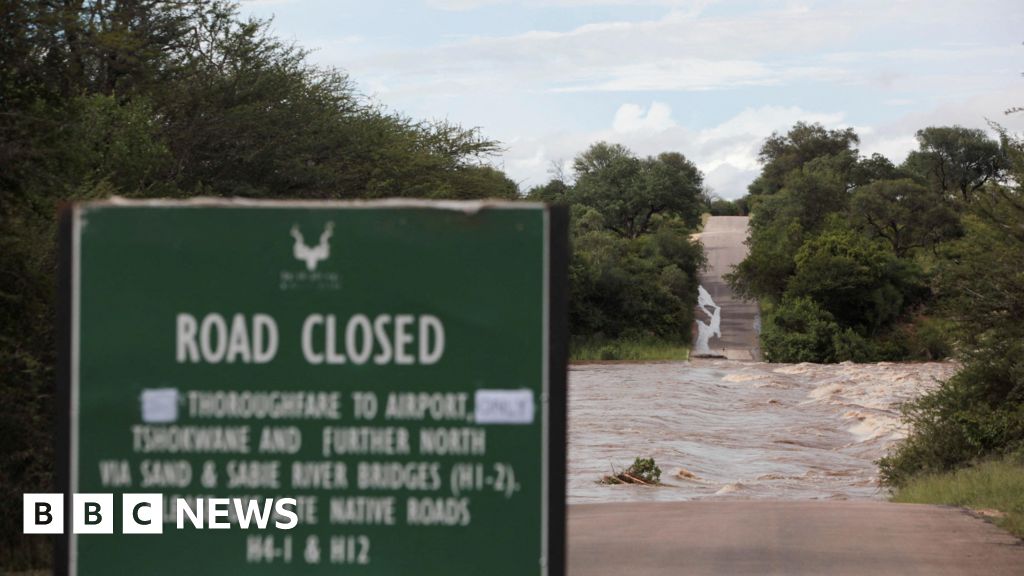
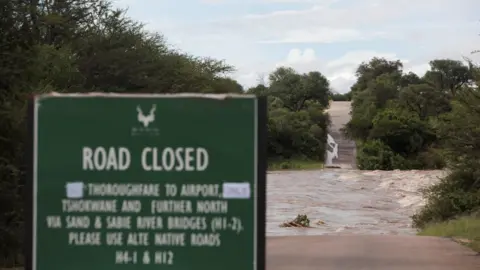
Torrential rains and severe flooding have wreaked havoc across South Africa’s northern provinces of Limpopo and Mpumalanga, leading to the unprecedented closure of the iconic Kruger National Park to visitors. The devastating deluge has forced the suspension of all tourist activities and necessitated the emergency evacuation of guests and staff, with helicopters playing a crucial role in their rescue. This dramatic development comes as the death toll from recent weeks of relentless rainfall across South Africa has tragically climbed to at least 19, with the nation grappling with the catastrophic impact of this natural disaster.
Among the heartbreaking losses reported is that of a five-year-old boy in Giyani, a town situated within the Limpopo province. President Cyril Ramaphosa personally visited the grieving family, offering his deepest condolences and a firsthand assessment of the widespread damage caused by the floods. The South African Weather Service has issued a red level 10 warning, underscoring the persistent threat of further rainfall in the already saturated regions and urging communities to remain on high alert. The advisory strongly recommends that residents stay indoors and avoid roads, emphasizing the extreme danger of driving through flooded areas. It sternly warns that if a vehicle stalls in water, occupants must abandon it immediately and seek higher ground.
Beyond immediate safety precautions, residents are also advised to secure their valuables by moving them to safe locations well above the anticipated flood levels. Furthermore, they are urged to disconnect their electricity supply at the source to prevent electrocution hazards and to relocate livestock to elevated pastures, safeguarding them from the rising waters. In response to the escalating crisis, helicopters and military personnel have been actively deployed in the most severely impacted areas to conduct daring rescue operations, saving lives and mitigating further suffering.
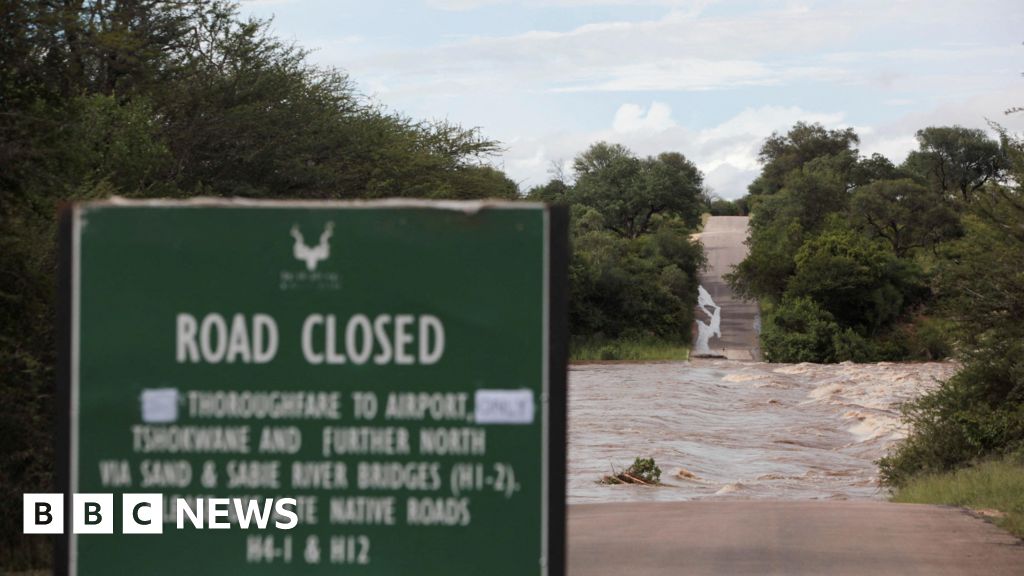
The Reuters news agency has highlighted a disturbing trend: flooding in south-eastern Africa is becoming increasingly frequent and intense. This intensification is strongly linked to the escalating impacts of climate change, which are making storms in the adjacent Indian Ocean more powerful and unpredictable. The current events serve as a stark reminder of the vulnerability of this region to extreme weather phenomena, exacerbated by global environmental shifts.
The closure of the Kruger National Park, a globally renowned sanctuary for its unparalleled biodiversity and a cornerstone of South Africa’s tourism industry, underscores the severity of the flooding. Thousands of square kilometers of pristine wilderness, home to the "Big Five" – lions, leopards, elephants, rhinos, and buffalo – as well as countless other species, are currently submerged or severely affected. The park’s vital infrastructure, including roads, bridges, and lodges, has sustained significant damage, necessitating a complete shutdown to ensure the safety of both wildlife and potential visitors. The economic implications of this closure are substantial, impacting not only the park’s operations and the livelihoods of its employees but also the broader tourism sector that relies on this natural treasure.
Conservation efforts within the park are also facing immense challenges. Rangers are working tirelessly to monitor wildlife, assess the impact of the floods on animal populations, and respond to any emergent threats. The displacement of animals, potential loss of breeding grounds, and increased risk of disease are all critical concerns that require immediate attention. The long-term ecological consequences of such widespread inundation are yet to be fully understood, but it is clear that significant recovery efforts will be required to restore the delicate balance of this unique ecosystem.
The human cost of these floods extends far beyond the immediate casualties. Communities surrounding the park, many of which are economically dependent on tourism and agriculture, are facing immense hardship. Homes have been destroyed, livelihoods have been washed away, and essential services have been disrupted. The displacement of families and the loss of essential resources are creating a humanitarian crisis that will require sustained support and rebuilding efforts in the months and years to come. The government’s response, including the deployment of emergency services and President Ramaphosa’s personal engagement, signals a commitment to addressing the immediate needs of affected populations and beginning the arduous process of recovery.
The global context of climate change adds another layer of urgency to this crisis. The increasing frequency and intensity of extreme weather events like these floods serve as a powerful testament to the reality of a changing climate. South Africa, like many nations, is on the front lines of experiencing these impacts, highlighting the critical need for both adaptation and mitigation strategies on a global scale. The international community’s role in supporting vulnerable nations in their efforts to build resilience and address the root causes of climate change is paramount.
The immediate future for the Kruger National Park and its surrounding communities remains uncertain. The duration of the closure will depend on the extent of the damage and the pace of recovery efforts. Park authorities will be closely monitoring weather patterns and assessing the safety of roads and facilities before any decision can be made regarding its reopening. In the interim, the focus remains on rescue operations, providing aid to affected communities, and beginning the extensive process of damage assessment and repair. The resilience of the South African people and the commitment to preserving one of the world’s most cherished natural heritage sites will be tested in the coming weeks and months. The world watches with concern, hoping for a swift recovery from this devastating natural disaster. The images of flooded landscapes and the stories of loss serve as a poignant reminder of the power of nature and the imperative to act decisively in the face of a changing climate. The closure of Kruger National Park is a stark symbol of the profound impact these floods are having, not just on a beloved tourist destination, but on the lives and livelihoods of many across South Africa. The long road to recovery has just begun, and the spirit of resilience will be crucial in overcoming this immense challenge.




 Ramos Leo
 Nakalama John