George Anjay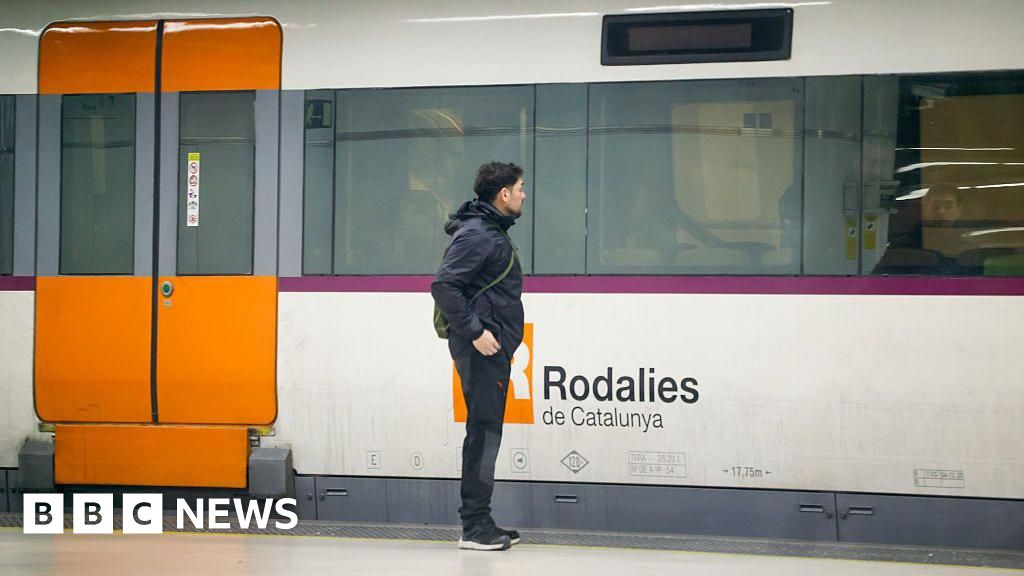
Spanish rail authorities have implemented a significant speed reduction on a crucial section of the high-speed line connecting Madrid and Barcelona following the discovery of a track fault, intensifying concerns over the nation’s rail network safety. The precautionary measure, which caps speeds at 80 km/h (50 mph) on the affected stretch, comes on the heels of a catastrophic high-speed collision that claimed 45 lives and amid ongoing severe disruptions to local rail services in Catalonia.
The fault, identified as a crack on the track, was discovered on Sunday night approximately 110 kilometers (68 miles) west of Barcelona, specifically between the towns of Alcover and l’Espluga de Francolí in the Catalonia region. Transport Minister Óscar Puente confirmed the finding, emphasizing that while the fault did not immediately pose a direct danger to trains traversing the line, the reduction in speed was deemed necessary until the issue could be thoroughly assessed and rectified. This latest speed cut represents the most stringent measure yet implemented on Spain’s high-speed network in recent days, a direct consequence of the devastating accident in Adamuz, Andalusia, earlier this month.
High-speed trains on the Madrid-Barcelona route, one of Spain’s busiest and most vital long-distance corridors, typically operate at speeds of up to 300 km/h. The drastic reduction to 80 km/h on this specific segment will inevitably lead to significant delays and will impact thousands of passengers. This situation follows a pattern of recent speed adjustments. Just last week, the speed limit on several sections of the Madrid-Barcelona line was temporarily lowered to 230 km/h after train drivers reported experiencing vibrations and other anomalies. These earlier reductions were restored to the standard 300 km/h following technical inspections, but the discovery of a more serious fault has necessitated a more severe intervention. Furthermore, sections of the Madrid-Valencia line have also seen temporary speed limit reductions to 160 km/h and 200 km/h in recent times, indicating a broader range of issues being addressed across the network.
The heightened scrutiny and speed restrictions on the high-speed network are intrinsically linked to the ongoing investigation into the Adamuz crash. The incident, which occurred on a straight section of track, saw the rear carriages of a northbound train derail and collide with an oncoming train, resulting in the tragic loss of life. Investigators are meticulously examining a 40-centimeter (16-inch) section of track that reportedly broke loose shortly before the derailment. While the transport ministry initially stated that the line had been renovated and recently undergone technical reviews, emerging details suggest a potentially critical flaw in the track’s construction or maintenance.
Evidence indicates that the damaged piece of rail, manufactured in 2023, had been welded onto an older section of track, believed to have been manufactured in 1989. The apparent point of failure, according to preliminary findings, is the join between these two disparate pieces of rail. Iñaki Barrón, head of the independent commission investigating the crash, stated that "everything appears to suggest that" the separation of these two welded sections was the direct cause of the tragedy. This revelation has raised serious questions about the quality control and oversight of track maintenance and repair processes within Spain’s rail infrastructure.
Adding to the prevailing climate of concern, the local Rodalies rail service in Catalonia has been experiencing severe and persistent disruptions. Last week, the network was brought to a standstill after a trainee driver was killed when a train collided with a collapsed wall. The grounding of the Rodalies service prompted drivers to demand improved safety guarantees, leading to a comprehensive review of the affected lines. The situation further deteriorated on Monday with two separate incidents that caused renewed chaos, leading to further suspensions of service. Although the Spanish government has stated that the cause of these latest incidents is unknown, they have not ruled out the possibility of a cyberattack, adding another layer of complexity and uncertainty to the ongoing rail crisis.
The Catalan Republican Left (ERC) party has been vocal in its criticism, attributing the recurring problems on the Rodalies network to "decades of lack of investment." This sentiment is echoed by business leaders. Ramon Talamàs, president of the Chamber of Commerce of Terrassa, remarked that "the reputational damage is as bad as or worse than the economic losses," highlighting the broader economic and social implications of the rail network’s instability.
The mounting pressure on the government has led to Prime Minister Pedro Sánchez scheduling an appearance before Congress on February 11th, where he is expected to face questioning regarding the escalating rail crisis. Opposition politicians, meanwhile, are demanding the resignation of Transport Minister Óscar Puente, accusing him of misleading the public in the aftermath of the Adamuz tragedy. The combination of the high-speed line speed reductions, the ongoing investigations into the Adamuz crash, and the persistent disruptions to local services paints a troubling picture of the state of Spain’s rail infrastructure and its ability to ensure safe and reliable transportation for its citizens. The coming weeks will be crucial as authorities work to address the immediate safety concerns, investigate the root causes of these failures, and restore public confidence in the nation’s vital rail network. The spotlight will remain firmly on the investigation into the Adamuz crash, particularly the details surrounding the flawed track repair, and the government’s response to the systemic issues plaguing both high-speed and commuter rail services.




 Ramos Leo
 Nakalama John

 atisusanti