
 Nana Banana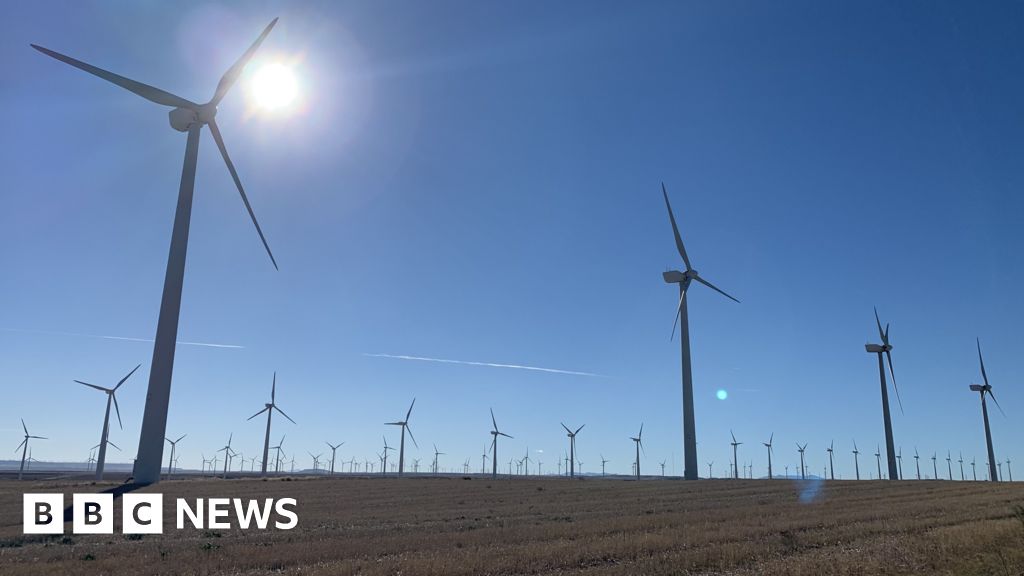
Figueruelas’s status as a symbol of Spain’s pioneering green transition has been dramatically amplified by a recent groundbreaking development. Work has commenced on the construction of a gargantuan factory designed to produce advanced batteries for electric vehicles. This monumental project represents a combined investment of €4 billion ($4.7 billion; £3.5 billion) from Chinese battery giant CATL and the Netherlands-based automotive conglomerate Stellantis. The significance of this venture was highlighted by Yao Jing, China’s ambassador to Spain, who heralded it as "one of the biggest Chinese investments Europe has ever seen," signaling a profound commitment to the future of sustainable mobility.
Mayor Luis Bertol Moreno of Figueruelas articulated the strategic rationale behind selecting his town for such a pivotal undertaking. "We’re in Aragón, where there’s wind all year round, there are lots of hours of sunshine, and we are surrounded by wind turbines and solar panels," he stated, emphasizing the inherent geographical advantages. "Those [energy sources] will be crucial in generating electricity for the new factory, and I understand that was the key reason for building it here in Figueruelas." The factory, projected to be a cornerstone of Europe’s burgeoning electric vehicle supply chain, will rely heavily on the region’s renewable energy output, embodying the circular economy principles central to Spain’s green agenda.
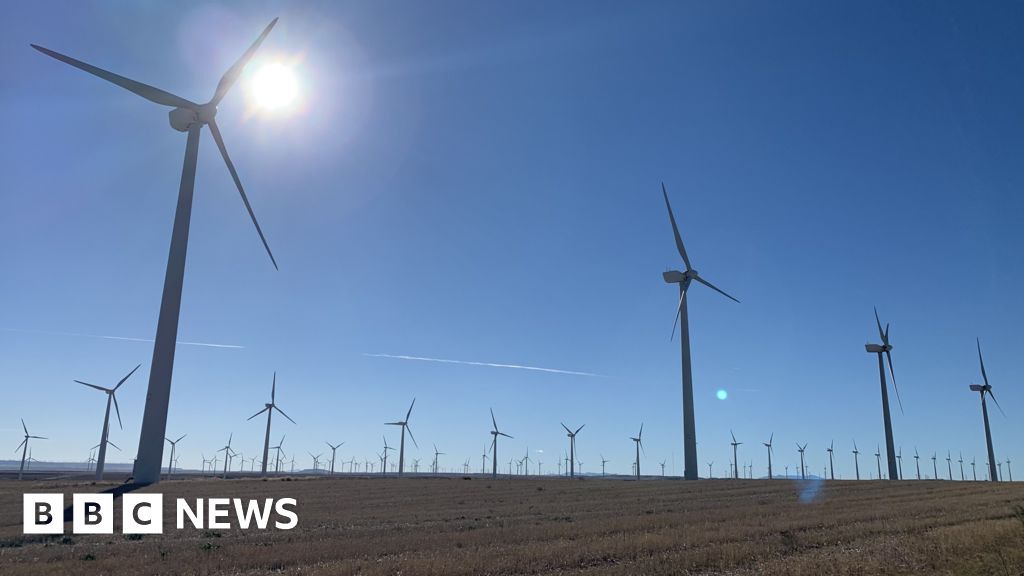
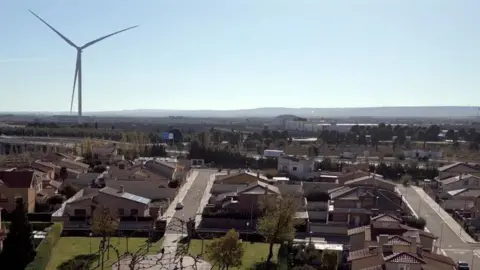
The Figueruelas factory stands as a powerful vindication of Spain’s bold energy model, which has consistently prioritized the rapid deployment of renewable sources. A mere seven years ago, in 2017, renewables contributed a modest third of Spain’s total electricity production. By last year, that figure had soared to an impressive 57%, marking a significant leap forward in decarbonizing the national grid. The government’s aspirations are even more ambitious, targeting an 81% contribution from renewables to the electricity mix by the year 2030. This aggressive push is driven not only by environmental imperatives but also by a strategic desire for energy independence and economic growth.
Earlier this year, Prime Minister Pedro Sánchez encapsulated his government’s unwavering commitment with a memorable riposte to former US President Donald Trump’s pro-fossil fuel mantra. While Trump advocated "Dig, baby, dig," Sánchez proudly declared, "Green, baby, green," underscoring the Socialist government’s conviction that renewable energy offers both ecological salvation and robust economic benefits. This rhetoric reflects a national identity increasingly aligned with climate leadership, showcasing Spain as a frontrunner in the global energy transition. The economic benefits of this model are tangible, fostering job creation in manufacturing and installation, reducing reliance on volatile fossil fuel markets, and positioning Spain as an attractive hub for green technology investment.
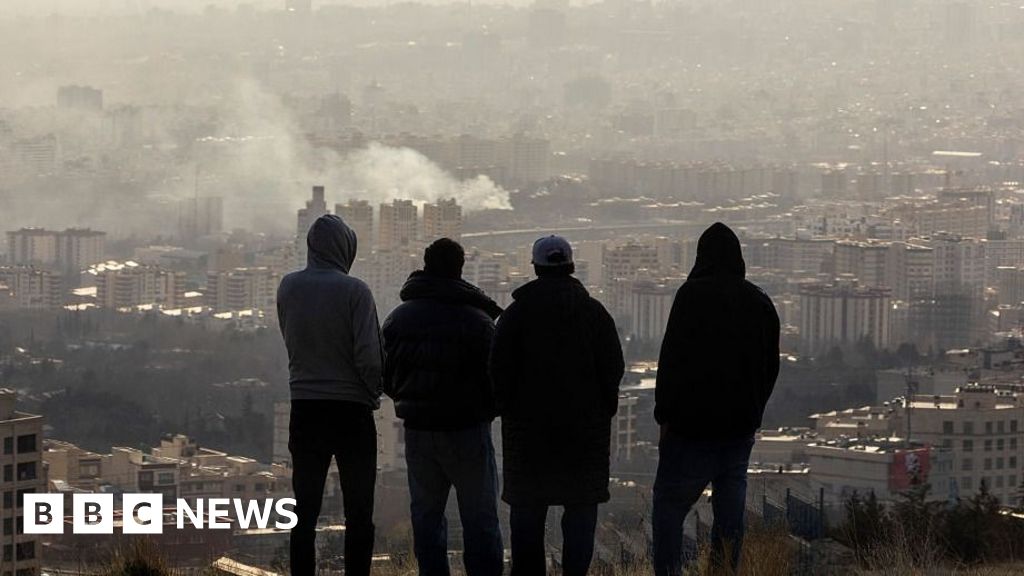
However, Spain’s fervent commitment to renewables has recently faced its most significant challenge. On April 28th, a widespread blackout plunged vast swathes of Spain and neighboring Portugal into darkness for several hours. Homes, businesses, government institutions, public transport, schools, and universities were all impacted, triggering immediate concern and sparking a fierce political debate. The government’s inability to provide a swift and comprehensive explanation for the outage fueled accusations from the conservative opposition, led by Alberto Núñez Feijóo. The leader of the Popular Party (PP) accused the government of "fanaticism" in its pursuit of a green agenda, insinuating that an over-reliance on intermittent renewable sources might have compromised grid stability and directly contributed to the incident. Feijóo and other right-wing politicians called for a fundamental re-evaluation of the national energy model, advocating for a more diversified and robust energy mix.
The timing of the blackout intensified these claims. Just a week prior, mainland Spain had recorded an unprecedented achievement: solar generation accounted for a record 61.5% of the electricity mix. For critics, this statistic seemed to confirm their suspicions about the perceived fragility of a grid dominated by renewables. Yet, both the government and Red Eléctrica de España (REE), the national grid operator, have vehemently denied any direct link between the outage and the prevalence of renewable energy sources. Concha Sánchez, head of operations for Red Eléctrica, firmly stated, "We have operated the system with higher renewable rates [previously] with no effect on the security of the system. Definitely it’s not a question of the rate of renewables at that moment."
Ms. Sánchez explained that the blackout was caused by a complex interplay of issues, including an "unknown event" within the system moments before the outage, which resulted in anomalous voltage oscillations. This technical explanation highlights the inherent complexities of managing a modern electricity grid, especially one undergoing such rapid transformation. While a cyber-attack has been repeatedly ruled out, REE and the government are still awaiting definitive reports from ongoing investigations to pinpoint the exact cause. These reports are crucial not only for understanding the April 28th incident but also for reinforcing public confidence in the grid’s resilience. The incident underscores the critical need for advanced grid management, smart technologies, and robust interconnections to ensure stability in a high-renewable energy system.
In the wake of the April blackout, Spain’s electricity mix has seen a subtle but significant modification, with a noticeable increase in reliance on natural gas. This shift has reinforced the notion that the country stands at a critical energy crossroads, grappling with the challenge of balancing ambitious decarbonization targets with the imperative of energy security and grid stability. The debate has drawn particular attention to Spain’s nuclear industry, which currently provides approximately 20% of the national electricity. Operators and advocates of nuclear power have become increasingly vocal, pushing back against the government’s long-standing plans to systematically close the country’s five nuclear plants between 2027 and 2035.

Spain’s policy on nuclear energy stands in stark contrast to a burgeoning "nuclear renaissance" observed across many other European nations. Countries like France, the UK, and even newer EU members are either extending the operational lives of existing reactors or actively planning new nuclear builds, citing energy security, baseload power generation, and zero-carbon emissions as key motivations. For instance, the companies that own the Almaraz plant in south-western Spain, slated to be the first to shut down, have formally requested a three-year extension to its life, pushing its potential closure to 2030. This request is currently under rigorous consideration by the authorities.
Ignacio Araluce, president of Foro Nuclear, the association representing Spain’s nuclear industry, is a leading voice in this debate. He asserts that Spain is an anomaly, being "the only country in the world that is scheduling the closure of nuclear plants that are in operation." Araluce passionately argues that nuclear energy offers unparalleled stability and dispatchability, making it an ideal complement to intermittent renewable sources within a green energy transition. "It’s prudent to have a mix of renewables and nuclear energy," he contends. While acknowledging the environmental benefits of renewables, which harness natural elements, he highlights their inherent limitation: they cannot operate around the clock or when weather conditions are unfavorable. "How can you produce energy in those hours when the renewables are not producing?" he asks, providing his own answer: "with a source like nuclear, that is not producing CO2, that is producing all hours of the year." This argument resonates with those concerned about ensuring a constant, reliable power supply, especially given the increasing demand from electrification.
The political opposition staunchly supports the continued operation of nuclear plants. The far-right Vox party, critical of the government’s perceived lack of transparency regarding the April blackout, recently underscored nuclear power as "a crucial source of stability." The Popular Party also advocates for reconsidering the nuclear phase-out, proposing that these plants could play a vital role in providing a stable, carbon-free baseload as the country transitions to an even higher share of renewables. This bipartisan pressure adds considerable weight to the nuclear industry’s calls for a policy review.

Ms. Sánchez of Red Eléctrica acknowledges that there is considerable room for improvement in Spain’s electricity model, particularly regarding grid infrastructure and energy storage. She points to the Iberian Peninsula’s relative isolation from the broader European grid, compared to most of its EU neighbors. Limited interconnection capacity, particularly across the Pyrenees with France, means Spain has fewer avenues to import or export electricity, making its grid more susceptible to internal fluctuations. "While we have taken a good path when it comes to renewable installation, we cannot say the same regarding storage," she admits, emphasizing a critical weakness. "We need to foster storage installation." The development of large-scale battery storage, pumped-hydro, and potentially green hydrogen facilities is seen as essential for balancing the grid, managing renewable intermittency, and ensuring energy security in the future. Without sufficient storage, the full potential of Spain’s vast renewable resources cannot be realized.
Spain’s turbulent political landscape further complicates its energy future. The Socialist-led coalition government has been embroiled in a series of corruption scandals, and its parliamentary majority has demonstrably eroded in recent weeks, raising the distinct possibility of a snap general election in the coming months. Should such an election occur, and polls suggest a right-wing government would be the likely outcome, there would almost certainly be a significant shift in energy policy. A conservative administration would likely place less emphasis on the rapid expansion of renewables and advocate for a partial return to more traditional, dispatchable energy sources, potentially including an extension of nuclear plant operations and a more prominent role for natural gas. This political uncertainty casts a long shadow over the long-term trajectory of Spain’s ambitious green transition.
Despite these national-level debates and political headwinds, the renewable transition continues its relentless march on the ground. For Figueruelas, in Aragón, this means not only the promise of cheap, clean energy but also a transformative wave of investment and job creation. The town’s population, currently just over 1,000 residents, is projected to increase dramatically, with an initial influx of 2,000 Chinese workers arriving to construct the new battery plant. Once operational, the facility is expected to create up to 35,000 indirect jobs across the region, revitalizing local economies and attracting further ancillary industries. Local resident Manuel Martín perfectly encapsulates the prevailing optimism: "These kinds of investments revitalize the area, they revitalize the construction sector, hostelry. And the energy is free – it just depends on the sun and the wind." This tangible local impact serves as a powerful reminder of the profound socio-economic benefits at stake as Spain navigates its complex path toward a sustainable energy future.



 George Anjay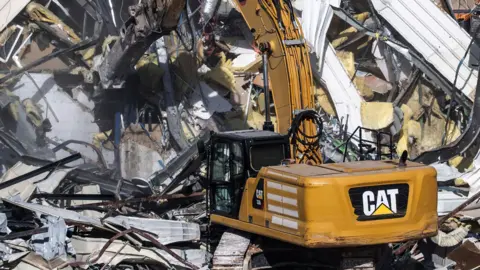

 Ramos Leo
 Nakalama John