Nana Banana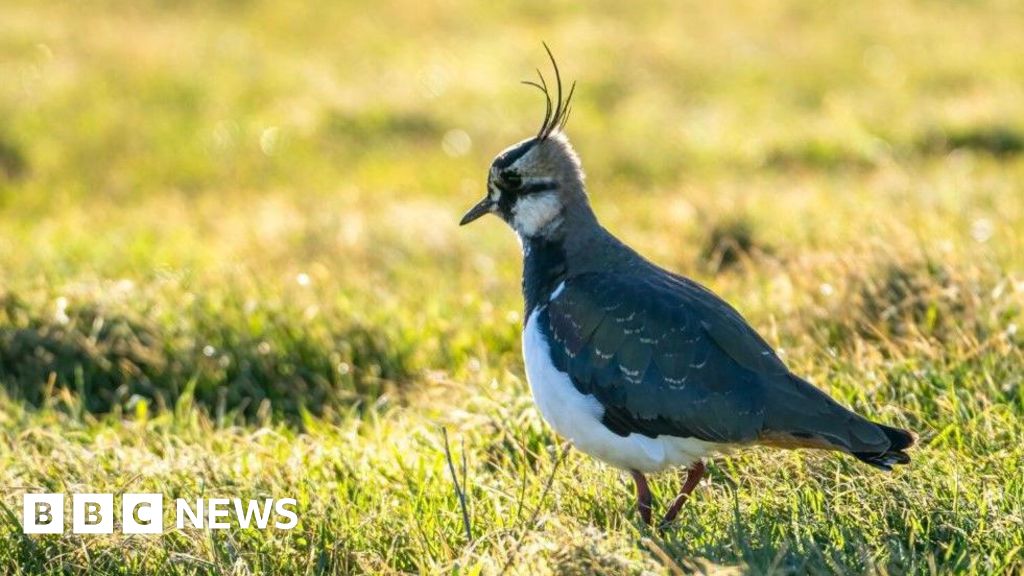
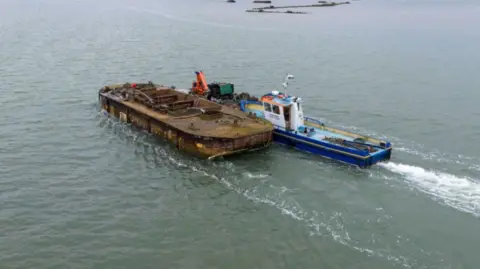
Three venerable lighters, robust old barges once integral to the bustling trade of the Port of London, transporting heavy industrial materials such as coal and building supplies, have been given a remarkable new lease on life. After decades of being moored in Essex, these workhorses of a bygone era have been carefully positioned and submerged in the inter-tidal mudflats between the historic town of Maldon and the serene West Mersea. The ingenious transformation involved filling and covering the barges with sediment, primarily mud, to establish a stable, elevated landmass designed to provide a safe refuge.
This newly engineered island is specifically tailored to benefit a range of vulnerable bird species, including the elusive dunlin, the distinctive curlew, the agile ringed plover, and the iconic lapwing. These birds, characteristic inhabitants of the UK’s coastal and wetland environments, are increasingly under pressure from habitat loss, human disturbance, and the encroaching effects of climate change. The National Trust asserts that this bold undertaking represents one of several "innovative, nature-based solutions" being implemented to safeguard Northey Island, a site of significant ecological and historical importance, against the relentless forces of rising sea levels and the rapid degradation of its precious saltmarsh habitats.
The history embedded within these barges adds another layer of significance to the project. Having served the Port of London for many years, ferrying essential goods that fuelled the city’s growth, they later lay dormant for over 30 years. Now, rather than facing an ignominious end, their sturdy frames form the very foundation of a new ecological asset. Their strategic placement on the edge of Northey Island’s existing saltmarsh will not only create fresh habitat but also act as a vital buffer, significantly reducing the erosion of the surrounding saltmarsh. Saltmarshes are incredibly valuable ecosystems, acting as natural sea defences, carbon sinks, and nurseries for marine life, making their preservation a high priority in the face of environmental change.
The National Trust has lauded this endeavour as a "bold marine engineering feat," underscoring the complexity and ambition involved. Katy Gilchrist, the coastal project manager for the National Trust, articulated the profound symbolism of the project, stating, "This is the ultimate act of marine recycling – transforming retired industrial vessels into a sanctuary for wildlife. We’re basically turning history into habitat, and as far as we know, no-one has attempted anything quite like this before." This statement highlights both the novelty of the approach and its profound ecological impact, marrying industrial heritage with cutting-edge conservation.
The logistical challenges of the project were considerable. Each of the three barges, measuring between 20 and 32 metres long (approximately 66 to 105 feet), required extensive preparation. Before their final journey, they had to be thoroughly cleaned of any potential pollutants and made seaworthy enough to be safely towed into their designated positions. Once in place, they were carefully lowered onto a prepared platform of sediment. The crucial step of sinking involved meticulously cutting holes into their hulls, allowing them to fill with water and settle firmly. Following this, they were further filled with a substantial quantity of sediment, predominantly mud dredged from the estuary, to provide the necessary weight and stability, permanently securing them to the seabed.
Gilchrist further elaborated on the final stages of habitat creation: "Once the island is fully established with gravel on top, it will sit safely above the highest tides to offer a safe refuge for some of our bird species which are in decline." This final layer of gravel is essential, providing a robust, well-drained surface that will remain dry even during peak tides, offering an ideal nesting and roosting site for shorebirds and waders, protecting them from predators and human disturbance. Upon completion, this new landmass will add approximately 0.55 hectares (1.4 acres) of vital new habitat within the Blackwater Estuary, an area roughly equivalent to the size of a standard football pitch.
Matt Wilson, countryside manager for the National Trust, stressed the critical importance of this newly formed sanctuary. "The new island, located just off the eastern shore of Northey, will provide a refuge for birds above the highest tides and away from disturbance on shore, acting as a lifeline for birds that are running out of safe spaces to nest and rest," he explained. The issue of disturbance is particularly pertinent for ground-nesting birds, which are highly susceptible to predation and disruption from human activity on mainland shores. By providing an isolated, elevated sanctuary, the project aims to give these species a much-needed boost. "As well as creating a new habitat for birds, the island will also help to reduce erosion of the existing saltmarsh at Northey Island," Wilson reiterated, emphasizing the dual environmental benefits.
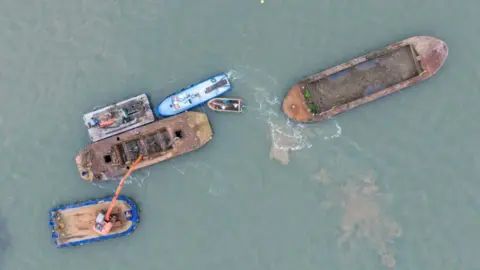
The success of such a complex and pioneering project hinges on extensive collaboration. The National Trust has worked in close partnership with a diverse array of expert organisations. Key collaborators include the Environment Agency, which often provides vital funding and regulatory oversight for coastal defence and environmental enhancement schemes; Natural England, the government’s adviser for the natural environment, offering ecological expertise and guidance; the Maldon Harbour Improvement Commissioners, who manage the local waterways; specialist engineering and environmental consultants Royal Haskoning DHV, responsible for the intricate design and planning; and specialist marine contractors Landbreach Ltd, who executed the challenging on-site marine operations. This multi-agency approach underscores the intricate planning and diverse expertise required to transform an ambitious vision into a tangible ecological reality.
The project at Northey Island stands as a powerful example of how creative thinking and interdisciplinary collaboration can address pressing environmental challenges. By repurposing the relics of industrial history, the National Trust and its partners are not only mitigating the impacts of climate change but are also actively enriching the biodiversity of one of the UK’s most important coastal ecosystems. This unique "history into habitat" approach offers a beacon of hope, demonstrating that even the most unexpected materials can be transformed into vital havens for wildlife, securing a brighter future for the declining bird populations of the Blackwater Estuary and potentially inspiring similar nature-based solutions across the globe.


 George Anjay
 Ramos Leo
 Nakalama John

 atisusanti