Nana Banana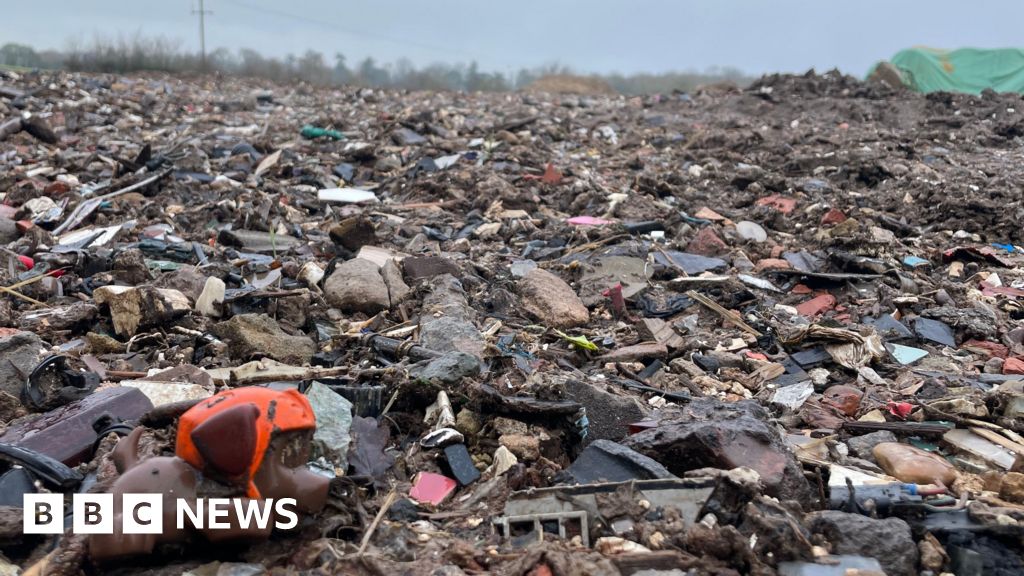
England’s picturesque rural landscape is being systematically scarred by a hidden epidemic of illegal waste dumping, with a BBC investigation uncovering hundreds of clandestine operations, including at least eleven "super sites" containing staggering volumes of rubbish. These massive, illicit landfills, often concealed on agricultural land, are not merely unsightly blots but pose severe environmental hazards and are increasingly linked to sophisticated organised crime gangs who view waste as the "new narcotics" – a highly profitable, low-risk venture.
The sheer scale of this environmental crime is alarming. While the Environment Agency (EA) managed to shut down over 700 illegal tips in 2024/25, data obtained by the BBC via an Environmental Information Regulations (EIR) request revealed that a disturbing 517 dumps remained actively operating at the close of last year. This suggests a relentless, ongoing battle where new sites emerge as quickly as existing ones are tackled. Among the most egregious examples are a colossal 280,000-tonne site in Cheshire, two 50,000-tonne behemoths in Lancashire and Cornwall, a 36,000-tonne mound in Kent, and a 20,000-tonne dump in Oxfordshire. To put these figures into perspective, a 280,000-tonne dump could fill Wembley Stadium many times over, representing years of accumulated waste that should have been processed legitimately.
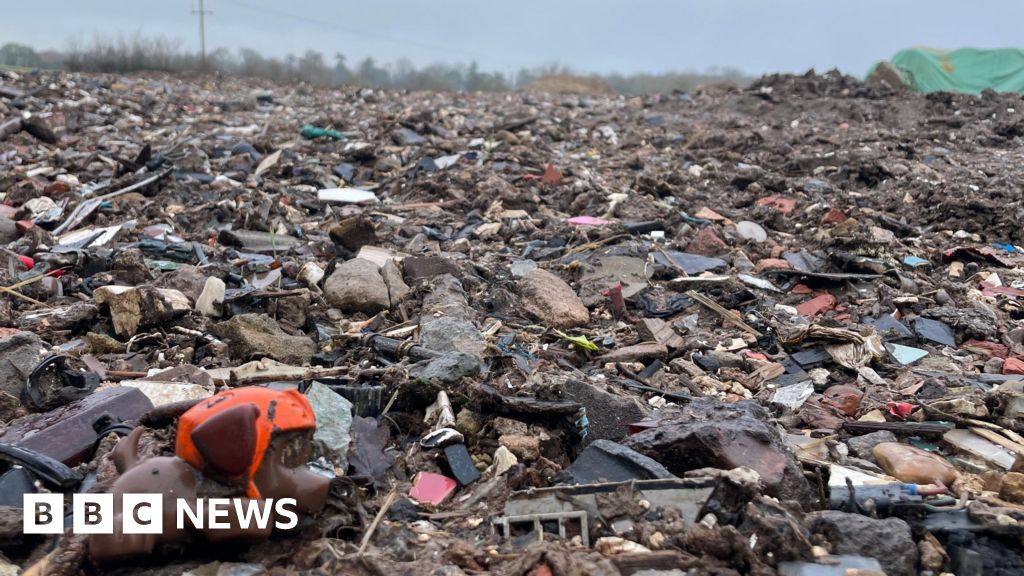
These operations are predominantly located in the heart of the countryside, cunningly hidden from public view and official scrutiny. Often situated on what should be productive agricultural land, they exploit isolated locations and the relative difficulty of monitoring vast rural expanses. Police forces across the country are increasingly pointing to organised crime gangs as the primary orchestrators of these illicit enterprises. These syndicates rake in vast sums by undercutting legitimate waste disposal costs, charging businesses significantly less to take their refuse, only to illegally dump or bury it, bypassing environmental regulations and taxes. This highly lucrative trade was famously dubbed the "new narcotics" by former Environment Agency chief Sir James Bevan, highlighting its profitability and the serious criminal element involved.
The modus operandi of these gangs is often sophisticated. They bring in heavy machinery, such as shredding equipment, to rural sites accessed via quiet country lanes. This equipment allows them to break down diverse waste – from household rubbish and commercial refuse to construction and demolition debris like soil and aggregate – into smaller, more manageable, and easily concealable quantities. Lorries then transport these materials to ever-growing mountains of waste, which are either left exposed, buried deep under farmland, incorporated into ostensibly innocent bridleways, or even hidden within disused barns. This systematic approach underscores the organised nature of the crime, far removed from opportunistic fly-tipping.
The tangible impact on local communities and the environment is devastating. In Gloucestershire, residents near the village of Over have endured the dumping of tens of thousands of tonnes of waste on what was once agricultural land. Witnesses recounted a period where 30 to 50 vehicles were daily traversing the site near the Over roundabout, a relentless procession of lorries bringing in refuse. The environmental degradation is profound. A significant fire in June 2025, which necessitated the intervention of Gloucestershire Fire and Rescue Service, momentarily halted operations but did not lead to the site’s closure. Fires are a recurring menace, with plumes of acrid smoke regularly rising from the dump, affecting air quality for nearby homes and businesses, including a popular countryside park and farm shop.
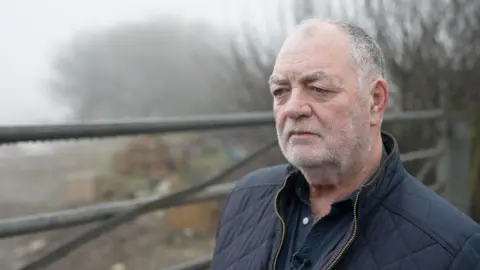
Charlie Coats, chairman of Highnam Parish Council, articulated the deep frustration of locals. He described the site as a "significant blot on the landscape," highlighting the serious environmental damage. The illegally dumped rubbish is leaching pollutants directly into the floodplain of the River Leadon, which subsequently flows into the River Severn, threatening aquatic ecosystems and potentially wider water supplies. Beyond the ecological impact, residents have suffered from road safety issues due to the constant lorry traffic, incessant noise, and a pervasive, foul smell. "It’s caused a smell, there’s been smoke, there’s been noise. It’s damaged a lot of vegetation, trees and bushes have been destroyed, and it’s a significant blot on the landscape. Some of the pollutant material is leaching out into the water courses," Coats stated, underscoring the multi-faceted assault on their quality of life. He also noted the alarming instances of spontaneous combustion, requiring fire service intervention, and expressed the community’s profound concern over the apparent lack of effective control measures and clarity from the Environment Agency regarding future cleanup actions. Despite ongoing investigations by the EA, many locals feel not enough has been done to apprehend the culprits or remediate the site.
The threat extends beyond environmental damage. Earlier this month, a series of raids linked to suspected money laundering and waste crimes across Herefordshire, Shropshire, and Worcestershire underscored the dangerous nexus between waste crime and broader criminal activities. Nearly £100,000 in cash was seized, and two men were arrested. Shockingly, officers also recovered six guns, suspected fake electrical goods, and a suspected stolen vehicle, illustrating the violent potential and diverse criminal portfolio of these gangs. A villager near one of the raided Worcestershire locations, who wished to remain anonymous for fear of reprisals, described tonnes of waste being shredded daily, causing "intoxicating" smells and fumes so severe that children were kept indoors during summer. "We know that they’ve been found with weapons. I know the people behind it. I know what they’re capable of," the resident confided, revealing the palpable fear gripping affected communities. Inspector Dave Wise of West Mercia Police acknowledged that waste crime is a complex, long-term problem, but affirmed the force’s commitment to "complex investigations into organised crime gangs, with links to money laundering and other financial crimes, and into the individuals who were profiting from pollution of the environment."
Concerns over the sheer scale of illegal waste activity gained national attention recently with the discovery of approximately 20,000 tonnes of waste dumped illegally on a field beside the A34 at Kidlington in Oxfordshire over several months. However, the BBC’s EIR request has revealed that at least eleven sites across the country dwarf this Oxfordshire example, a number likely to be higher as the Environment Agency admits its data may not be exhaustive for every site.
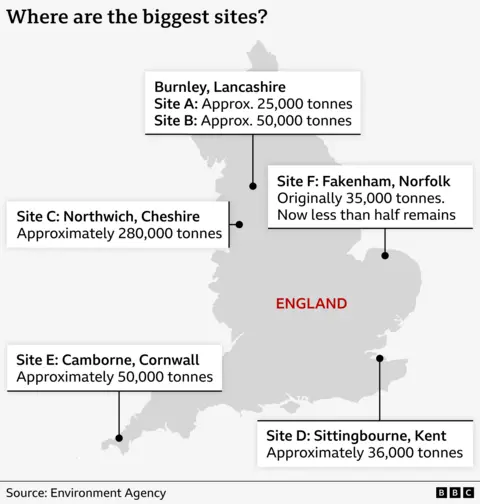
Environmental campaigners are increasingly vocal about the lack of transparency surrounding these operations. Erica Popplewell of River Action questioned why the details of these colossal sites were only made public following the BBC’s data request. "Why is the Environment Agency not saying what’s happening more publicly so that we can see what actions they’re taking and the secrecy around dumping sites can be eroded?" she asked, calling for greater accountability. While the EA has previously cited the need to avoid prejudicing ongoing investigations as a reason for withholding exact locations, it has now disclosed details for six of the largest sites: Northwich, Cheshire (280,000 tonnes); Camborne, Cornwall (50,000 tonnes); Burnley, Lancashire (two sites of 25,000 and 50,000 tonnes); Sittingbourne, Kent (36,000 tonnes); and Fakenham, Norfolk (originally 35,000 tonnes). Crucially, while dumping has been halted at four of these sites, none have yet been cleared, leaving communities to live alongside these environmental monuments to crime.
Emma Viner, the Environment Agency’s enforcement and investigations manager, acknowledged the public’s outrage. "We share the public’s disgust for the things that are happening and for the waste crime that we’re seeing and we are taking action," she stated, confirming that hundreds of sites are shut down annually. However, she also highlighted the challenging reality: "But it’s a dynamic picture. For all the waste sites that we’re closing, we’re seeing more and more pop up around the country." This paints a picture of a relentless, escalating problem.
Baroness Sheehan, who chairs the House of Lords environment and climate change committee, which has itself investigated waste crime, concluded that the BBC’s findings "exposed widespread illegal waste dumping across the country" and that "clearly, whatever actions the government is taking are not sufficient to deal with the problem." In response, a spokesperson for the Department for Environment, Food & Rural Affairs (Defra) affirmed the government’s commitment to "wiping out illegal waste throughout the country and make those responsible pay." Defra claims to be supporting the Environment Agency with more officers and a 50% increase in funding to boost waste crime enforcement, alongside promises of tougher sentences for offenders.
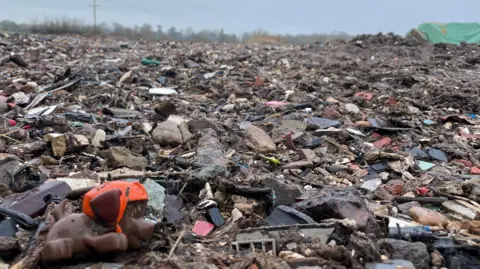
Despite these assurances, the proliferation of supersized illegal waste dumps continues to plague England’s countryside. The long-term consequences are dire, including irreversible soil and water contamination, habitat destruction, and significant financial burdens for future cleanup operations that often fall to the taxpayer. The battle against waste crime requires not only enhanced enforcement and increased resources but also greater transparency, stronger legal frameworks, and a concerted effort to dismantle the organised criminal networks that profit from the despoiling of the nation’s natural heritage.



 George Anjay
 Ramos Leo
 Nakalama John