Nana Banana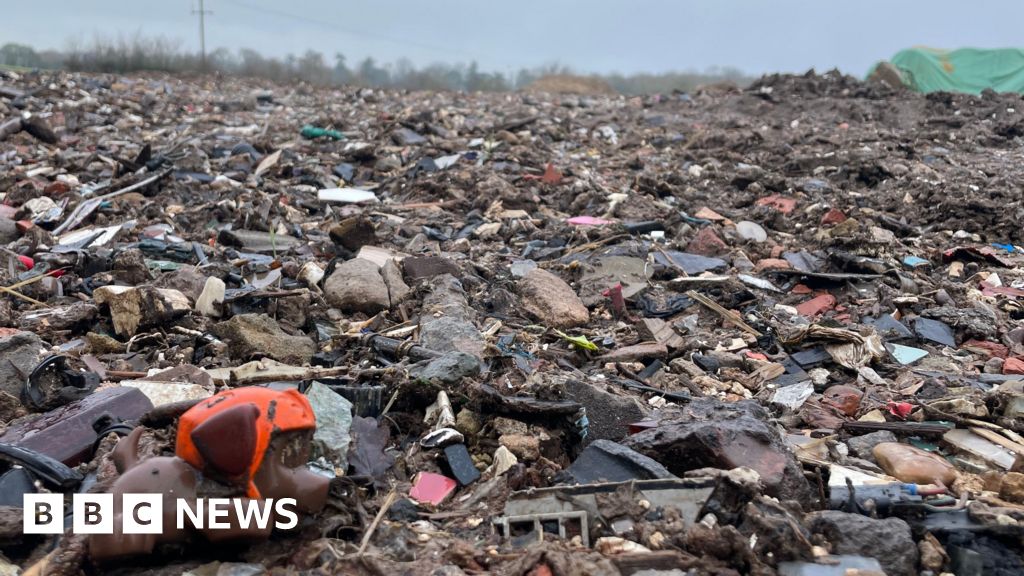
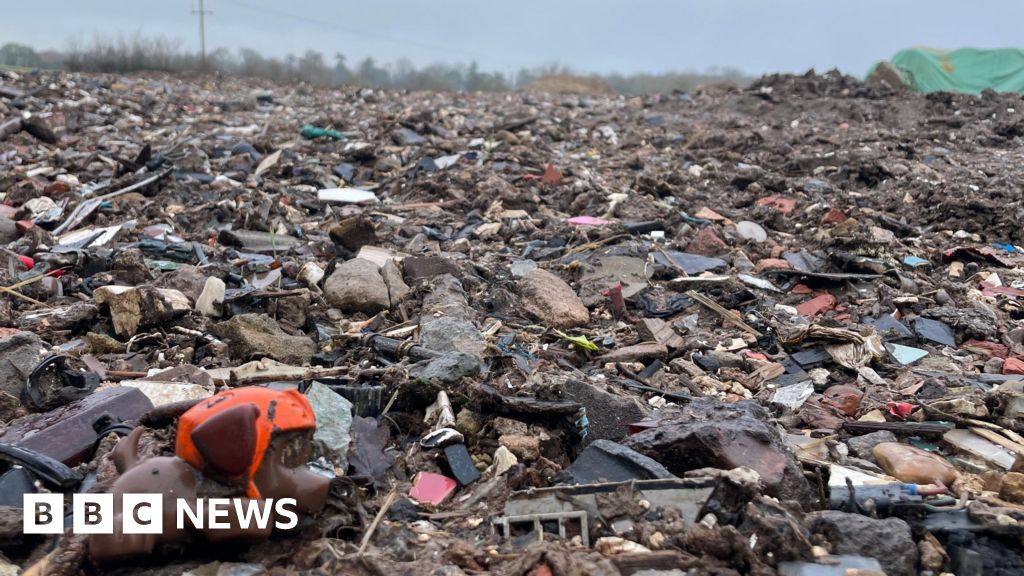
The investigation uncovered a staggering reality: while 743 illegal waste sites were successfully shut down in the 2024/25 period, an alarming 517 dumps remained actively operational across England at the close of last year. Among these active sites are some truly colossal examples of environmental degradation. A single site in Cheshire alone is estimated to hold an astounding 280,000 tonnes of waste, equivalent to the contents of over 1.5 million standard wheelie bins. Two other sites, one in Lancashire and another in Cornwall, each groan under the weight of approximately 50,000 tonnes. Further colossal tips include a 36,000-tonne mountain of rubbish in Kent and a 20,000-tonne dump in Oxfordshire, previously highlighted in the media. The sheer scale of these operations underscores a profound and pervasive problem.
The preference for remote, rural locations for these illicit operations is strategic. Nestled away from public scrutiny, often on land designated for farming, these dumps allow criminal enterprises to operate with a degree of impunity, transforming verdant countryside into festering refuse heaps. Police forces confirm that many of these sites are directly controlled by organised crime gangs, who exploit the waste disposal market by offering significantly lower rates than legitimate, licensed operators. This financial incentive is substantial; businesses using legal landfill sites must contend with site fees that vary based on waste type and volume, in addition to a hefty landfill tax currently set at just over £126 per tonne. By sidestepping these regulations and taxes, criminal gangs amass considerable profits, creating an unfair competitive landscape and fostering further environmental damage.
The Environment Agency, the principal body tasked with combating waste crime, acknowledges the severity of the situation. A spokesman articulated the agency’s commitment, stating it was "pulling every lever to disrupt those who profit from the harm illegal waste sites cause." However, despite these assurances, environmental campaigners and local residents living in the shadow of these dumps express deep frustration. They argue that insufficient action is being taken to clean up the sites, even in cases where the perpetrators have been identified and prosecuted, leaving communities to grapple with the enduring consequences.
One particularly stark example is the illegal waste dump near the Over roundabout in Gloucestershire. Drone footage graphically illustrates the vastness of this site, a testament to years of unchecked dumping. Witnesses reported an astonishing daily influx of 30 to 50 vehicles, relentlessly disgorging their loads onto the land. While a significant fire in June 2025, which necessitated the intervention of Gloucestershire Fire and Rescue Service, led to a substantial reduction in dumping activity, the site remains open and uncleared. Fires, often caused by spontaneous combustion within the decomposing waste, regularly erupt at the site, sending plumes of acrid smoke into the air. The proximity of the dump to a busy main road, a popular countryside park, and a farm shop amplifies public concern. Despite an ongoing Environment Agency investigation, locals feel that efforts to prosecute those responsible and initiate a clean-up have been woefully inadequate.
Charlie Coats, the concerned chairman of Highnam Parish Council, articulated the profound impact on his community, describing the Over site as a "significant blot on the landscape." He highlighted the dire environmental consequences, noting that pollutants from the rubbish were actively leaching into the floodplain of the River Leadon, a vital tributary that ultimately feeds into the River Severn. The relentless procession of lorries over the years has not only created road safety hazards but also generated incessant noise and air pollution. Coats detailed the daily reality for residents: "It’s caused a smell, there’s been smoke, there’s been noise. It’s damaged a lot of vegetation, trees and bushes have been destroyed, and it’s a significant blot on the landscape. Some of the pollutant material is leaching out into the water courses." He further recounted the recurring problem of spontaneous combustion, leading to fires that require emergency services to dampen down. The prevailing sentiment among residents, he stressed, is one of deep concern regarding the lack of effective control and the absence of a clear plan from the Environment Agency for remediation. Attempts to contact the landowner proved unsuccessful, and an individual believed to be involved in using the Over site declined to comment. The Environment Agency confirmed they were "actively investigating" and had shared "as much information as we can with the residents of Highnam without prejudicing any further enforcement action."
The scale of illegal waste activity in England prompted former Environment Agency chief Sir James Bevan to famously dub it the "new narcotics," a testament to its profitability and the criminal elements involved. These sophisticated gangs often transport shredding equipment to remote rural locations, typically accessed via quiet country lanes. This equipment allows them to process diverse waste streams – from household refuse to soil and aggregate from construction sites – breaking them down into smaller, more easily disposable quantities. These processed loads are then either piled into increasingly enormous mountains, clandestinely buried beneath farmland or public bridleways, or even stored in rented barns, further obscuring their illegal nature. The operations are not isolated to waste; police raids have uncovered links to wider criminality, with officers seizing six guns, suspected fake electrical goods, and a suspected stolen vehicle in connection with these activities.
One anonymous villager, residing near a raided Worcestershire location, recounted the daily ordeal. "The environmental impact is just massive. Smoke comes up from the site daily and the smell at times is intoxicating." The resident described how the pervasive fumes often forced them to keep their children indoors, preventing them from playing outside during summer months. The fear of reprisal from those operating these sites is palpable, with the resident stating, "We know that they’ve been found with weapons. I know the people behind it. I know what they’re capable of." Inspector Dave Wise of West Mercia Police acknowledged the complexity of the issue, stating that waste crime was "not a problem that can be solved overnight." However, he affirmed the force’s commitment to conducting intricate investigations into organised crime gangs, uncovering their links to money laundering and other financial crimes, and pursuing individuals who "profit from pollution of the environment." The owner of the Worcestershire site, when approached, declined to comment, having previously stated the land was rented out, while the tenant failed to respond to contact attempts.
Public awareness of the rampant scale of illegal waste activity surged late last year when approximately 20,000 tonnes of waste were brazenly dumped illegally on a field adjacent to the A34 at Kidlington in Oxfordshire over several months. However, the BBC’s use of Environmental Information Regulations (EIR) to request data has now revealed that at least 11 sites across England dwarf even this considerable dump. This number is likely an underestimate, as the Environment Agency conceded in its EIR response that "this figure is based on the data we hold; however, we don’t have this information for every site."

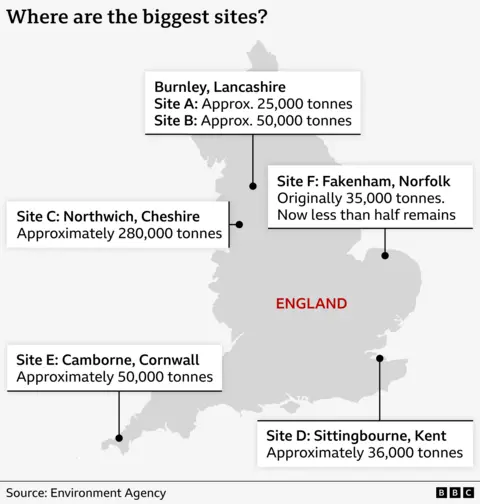
Erica Popplewell, representing the environmental campaign group River Action, voiced concerns over the lack of transparency, questioning why the details of these enormous sites had only been made public through the BBC’s EIR request. "Why is the Environment Agency not saying what’s happening more publicly so that we can see what actions they’re taking and the secrecy around dumping sites can be eroded?" she pressed. The Agency has previously cited the need to avoid prejudicing ongoing investigations as a reason for withholding exact locations. However, under the weight of the investigation, it has now disclosed the locations of six of the largest sites: Northwich, Cheshire (280,000 tonnes); Camborne, Cornwall (50,000 tonnes); two sites in Burnley, Lancashire (25,000 and 50,000 tonnes); Sittingbourne, Kent (36,000 tonnes); and Fakenham, Norfolk (originally 35,000 tonnes, though less than half remains). While dumping has been stopped at four of these locations, none have yet been cleared, leaving massive environmental liabilities. In total, the Agency reported stopping activity at 743 illegal waste sites in 2024/25, 143 of which were deemed high-risk, yet the persistent figure of 517 active dumps remains a stark indicator of the ongoing challenge.
Emma Viner, the Environment Agency’s enforcement and investigations manager, empathised with public sentiment. "We share the public’s disgust for the things that are happening and for the waste crime that we’re seeing and we are taking action," she stated. However, she also painted a dynamic and challenging picture: "Every year, we’re shutting down hundreds of illegal waste sites. But it’s a dynamic picture. For all the waste sites that we’re closing, we’re seeing more and more pop up around the country."
Baroness Sheehan, who chairs the House of Lords environment and climate change committee, currently investigating waste crime, reacted critically to the BBC’s findings, asserting that the research had "exposed widespread illegal waste dumping across the country." Her conclusion was unequivocal: "Clearly, whatever actions the government is taking are not sufficient to deal with the problem." A spokesman for the Department for Environment, Food & Rural Affairs (Defra) responded by outlining government efforts: "We are working across government to wipe out illegal waste throughout the country and make those responsible pay. We are directly supporting the Environment Agency to stop the exploitation of our waste system, giving them more officers and 50% more funding to boost waste crime enforcement, and handing out tougher sentences for those who break the law."
Despite these commitments, the reality on the ground remains grim. The English countryside continues to be a battleground against a pervasive and profitable criminal enterprise, with vast, hidden mountains of illegal waste silently accumulating, posing an escalating threat to both the environment and the health of communities living alongside these toxic secrets. The ongoing struggle underscores the urgent need for more robust enforcement, swifter clean-up operations, and greater transparency to safeguard England’s natural heritage from this widespread criminal blight.



 George Anjay
 Ramos Leo
 Roy Suryo
 atisusanti
 Nakalama John