Roy Suryo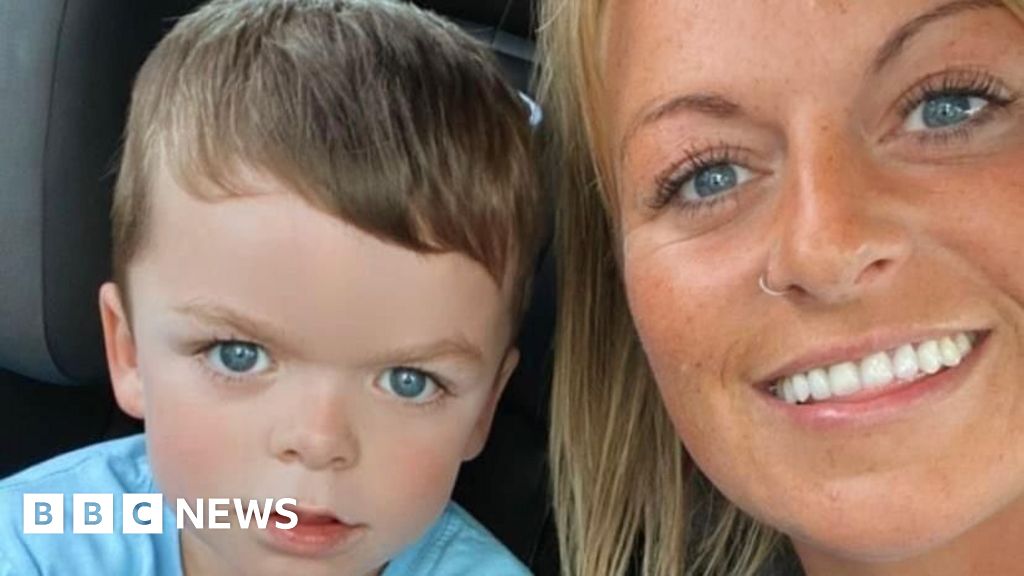
The next year is poised to be a critical juncture in a five-year-old’s battle with a rare and aggressive form of childhood dementia, a reality that weighs heavily on his mother’s heart. Instead of the usual joy and excitement that accompanies a child’s birthday, Tammy McDaid, from Swansea, found herself grappling with a profound sense of urgency, her son Tate’s fifth birthday marking not just a milestone, but a stark reminder of the relentless ticking clock of his illness. Tate has Sanfilippo Syndrome, a devastating neurodegenerative disorder that affects just over 100 children in the UK. This condition, often referred to as "childhood Alzheimer’s" due to its profound impact on cognitive and physical functions, can accelerate its progression significantly after the age of five.
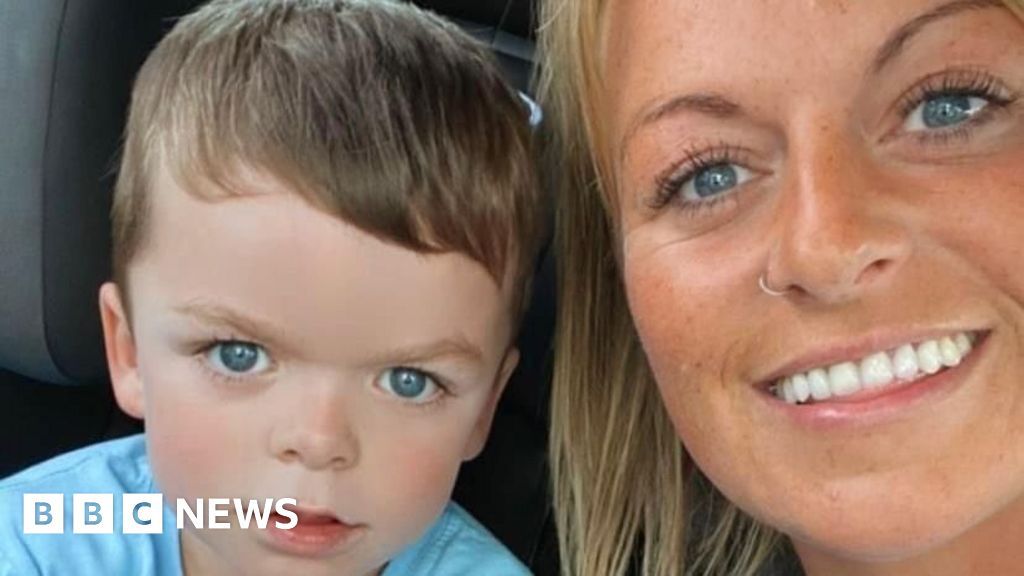
The family’s hopes are now pinned on a groundbreaking new drug, currently undergoing rigorous evaluation, which could be approved for use in the United States later this year. The prospect of Tate potentially commencing treatment as early as the summer offers a glimmer of hope, a chance to slow the inexorable march of this cruel disease. "I woke up and had a panic attack that morning because the next 365 days can be crucial because of what he has got," Tammy, 34, confessed, her voice tinged with the anxiety that has become a constant companion. The potential approval by the US Food and Drug Administration (FDA) could usher in a new era for Tate, offering the possibility of delaying the onset of more severe symptoms and allowing him to retain his mobility and cognitive abilities for a longer period.
Describing her son as her "handsome little man," Tammy expressed a profound, yet pragmatic, outlook: "I know it isn’t a cure, but it will give him a significantly better quality of life." The drug’s primary aim is not to reverse the damage already done, but to intervene in the disease’s progression, offering precious time and a chance for Tate to experience more of his childhood. Sanfilippo Syndrome is characterized by the body’s inability to break down certain complex sugars, leading to their accumulation in cells, particularly in the brain. This buildup disrupts normal cellular function, resulting in a cascade of debilitating symptoms, including developmental delays, loss of learned skills, behavioral problems, and increasingly, severe physical impairments. For Tate, this means a gradual decline in his ability to walk, talk, eat, and even breathe independently.
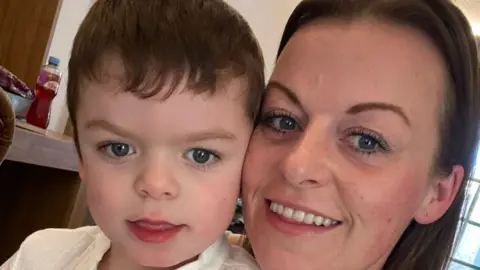
Tammy’s dedication to Tate’s well-being is evident in her relentless pursuit of treatment options. She has already managed to raise an impressive £35,000, a testament to the community’s support and her own unwavering determination, to help cover the costs associated with accessing a clinical trial. However, the financial hurdle remains substantial, as the treatment regimen would likely involve an extended stay in the US for a year of intensive monitoring following a single injection. "I know it’s going to be in the hundreds of thousands if we go out there for one injection and then monitoring for a year," she stated, acknowledging the daunting financial reality of this cutting-edge therapy.
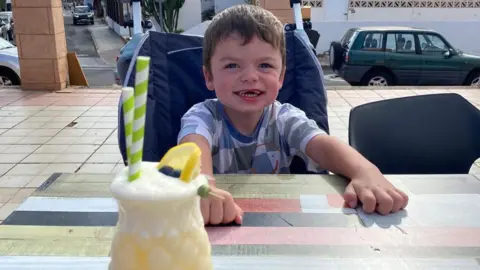
Despite the immense challenges, Tammy is resolutely focused on "living in the moment" and curating a treasure trove of precious memories with her son. This philosophy of cherishing each day has led to incredible experiences, such as a recent holiday to Fuerteventura in the Canary Islands. The trip was a joint celebration of both her and Tate’s birthdays, which fall just two days apart in November. Tate, who is described as a "water baby," reveled in the warm sunshine, spending hours in the swimming pool and delighting in a visit to a water park. "It was nice to get away and to forget reality," Tammy shared, her voice softening with fondness. "He’s such a happy kid and I really enjoyed us being in our bubble for a week." These moments of unadulterated joy are invaluable, providing respite from the daily anxieties and reinforcing the bond between mother and son. The family also has plans to visit relatives in Germany in March, further solidifying their commitment to experiencing as much of the world as possible. "I am trying to take him to visit as many countries as possible over the next year or two now and to see how many fridge magnets we can get from different countries," Tammy explained, her words painting a picture of a mother determined to fill their lives with experiences and tangible reminders of their journey together.
Tate himself is a source of immense pride and inspiration for Tammy. She marvels at his resilience and his ability to learn and adapt, often doing things "of his own accord." She recounted a heartwarming instance where Tate, upon her return home with shopping bags, had independently removed his shoes, put his socks in the washing machine, and then come to greet her. "My heart melted," she confessed, her eyes welling up with emotion. This independent spirit and burgeoning capability are precisely what the new drug aims to preserve. Tate also began full-time school in September, a significant step that has seen him interacting and playing with his peers, a testament to his ongoing development and the supportive environment at his school. "I need to live in the moment while he’s learning and is still progressing and he is a happy and healthy little man," Tammy emphasized, her voice filled with a mother’s unwavering love and hope.
The outpouring of support from her community has been a significant source of strength for Tammy. Offers of fundraising assistance and messages of encouragement have been a constant reminder that they are not alone in this fight. Tate’s school has been "really supportive and they couldn’t do any more for him," she said, highlighting the collaborative effort to ensure Tate has the best possible environment for his development. A recent meeting with staff at Noah’s Ark Children’s Hospital in Cardiff was described as "really positive," indicating ongoing efforts to provide Tate with the best available care and therapies. Tammy is particularly keen for Tate to undergo intensive speech and language therapy, with the goal of him being able to use a device to communicate, as he is currently non-verbal. This would be a monumental step towards greater independence and self-expression for Tate.
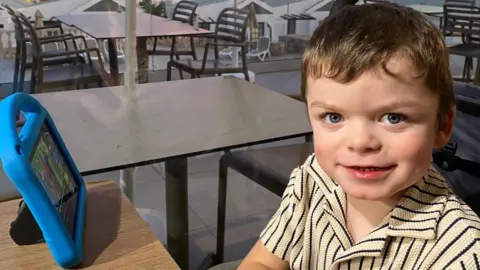
Beyond her personal quest for treatment for Tate, Tammy is driven by a powerful desire to raise awareness about childhood dementia. By sharing her family’s story, she hopes to shed light on this often-overlooked group of rare diseases, encouraging greater understanding, research, and support for affected families. The journey is undoubtedly arduous, marked by emotional highs and lows, but Tammy remains resolute. "I am living in hope right now," she stated, her words resonating with the quiet strength of a mother fighting for her child’s future, clinging to the possibility that a new drug might just turn the tide for her beloved Tate.




 George Anjay
 Ramos Leo
 Nakalama John

 atisusanti