
 Nakalama John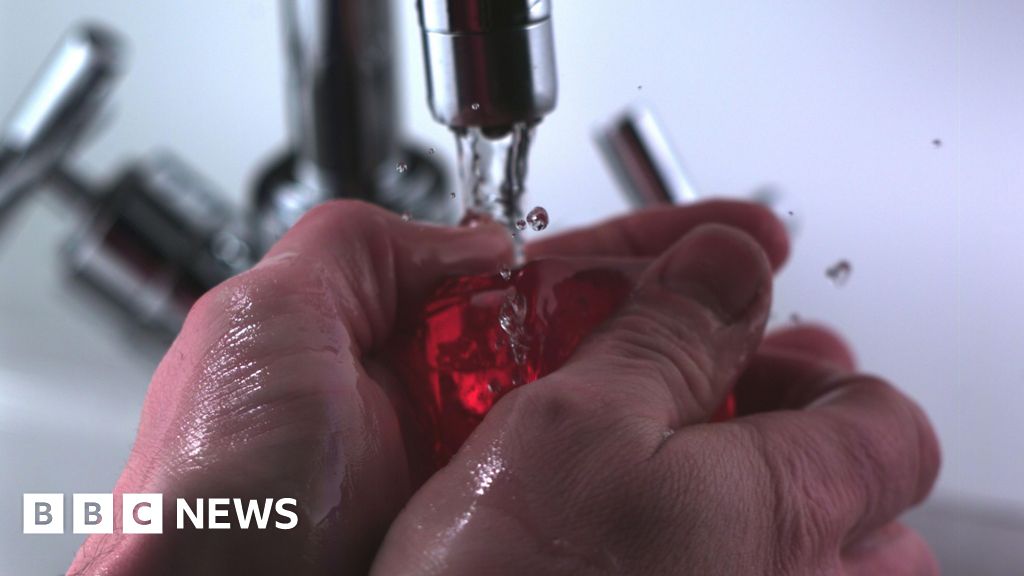
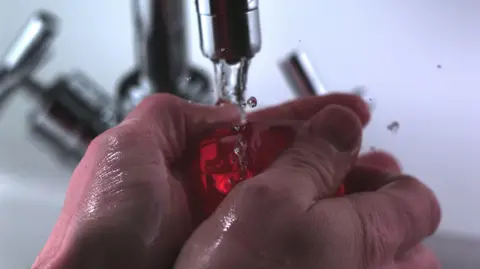
The extensive research, conducted by The Hygiene Bank, highlights that approximately three out of 10 women in London have faced the harrowing decision of prioritising buying enough food for themselves and their families over purchasing crucial hygiene products such as soap, shampoo, or period products. The ripple effects of this deprivation extend far beyond personal comfort, with a significant number of individuals reporting having missed job interviews or even days of work due to their inability to maintain basic hygiene standards. This systemic issue has been unequivocally branded a "scandal that shouldn’t exist" by charity In Kind Direct, which is actively campaigning alongside The Hygiene Bank to eradicate this pervasive form of poverty.
A spokesperson for the Mayor of London, Sadiq Khan, acknowledged the severity of the situation, stating that the Mayor is "determined to do all he can to support Londoners in the cost of living crisis." However, campaigners argue that more urgent and widespread action is needed to address the root causes and immediate consequences of hygiene poverty.
Michael Gidney, Chief Executive of In Kind Direct, powerfully described hygiene poverty as "the smoke before the fire." He explained that people often go without basic necessities like toothpaste, shampoo, and washing powder long before they ever reach out to a food bank for assistance. This quiet suffering means that the true scale of the problem is often underestimated and hidden from public view, as individuals feel immense shame and embarrassment. "No parent should have to send their child to school without brushing their teeth, and no-one should miss out on opportunities because they can’t afford soap or period products," Gidney asserted, underscoring the fundamental right to dignity and cleanliness.
The data shared exclusively with the Local Democracy Reporting Service paints a stark picture of the crisis. Beyond the general adult population, the report also revealed the alarming impact on younger generations, with 19% of children aged six to 15 struggling to access basic hygiene essentials. This can have severe repercussions on their education, social development, and overall self-esteem. Children who lack access to clean clothes, soap, or dental care may face bullying, social exclusion, and difficulties concentrating in school, creating barriers to their future success.
Furthermore, the research indicates that a staggering one-third of Londoners had to choose between purchasing hygiene products for themselves or for their children, highlighting the impossible sacrifices parents are forced to make. The direct link between hygiene poverty and economic disadvantage is evident in the finding that 29% of respondents admitted to having missed a job interview or taken a day off work because they were unable to afford basic personal care products. This creates a vicious cycle where poverty prevents individuals from securing employment, which in turn deepens their poverty and reinforces their inability to afford essential hygiene items.
Ruth Brock, Chief Executive of The Hygiene Bank, articulated a clear call to action: "This is not an inevitable part of life in Britain – together, with government, businesses and communities, we can and must end it." Her statement emphasizes that hygiene poverty is a solvable problem, requiring a concerted and collaborative effort from various sectors of society.
The human impact of this crisis is palpable on the front lines of community support. At the Abbey Centre in Westminster, Service and Volunteer Manager Caroline Gandy-Brown shared a poignant example of the daily struggles faced by Londoners. She recounted the story of a mother of four who found herself unable to wash, having used the last piece of soap to clean her children and the house. "I know what it’s like to suffer this – there’s such a stigma around this," Gandy-Brown confessed, highlighting the immense psychological burden and shame associated with hygiene poverty. People often go to great lengths to "mask their issues," making it difficult for support services to identify and assist those in need. Gandy-Brown also noted that men are increasingly struggling with this issue but are often "impossible to talk to about it," due to societal expectations and a reluctance to admit vulnerability. She stressed that sustained funding is absolutely critical to tackling this widespread problem effectively, enabling organisations like the Abbey Centre to provide direct aid and support.
The Mayor of London’s office detailed several measures being implemented to alleviate the broader cost of living crisis, which indirectly aims to ease the burden on families struggling with hygiene poverty. These initiatives include freezing bus and tram fares, a move designed to reduce daily travel costs for Londoners. Critically, the Mayor has also introduced free school meals for all primary school children, which, while primarily addressing food insecurity, frees up household budgets that might otherwise have been spent on school lunches, potentially allowing families to allocate more resources to other essentials, including hygiene products. City Hall has also established a dedicated Cost of Living Hub, providing accessible advice and resources to help residents navigate financial challenges.
In a more direct response to hygiene needs, ‘Baby Banks’ have been rolled out across the city. These vital hubs are stocked with a range of essential items, including shampoo, body wash, detergent, and toothpaste, providing a lifeline for new parents and families with young children who are struggling to afford these crucial products. These initiatives represent important steps, but charities stress that a more comprehensive and systemic approach is required to truly address the root causes of hygiene poverty. This includes advocating for policy changes such as a living wage, increased welfare support, and potentially even subsidies for essential hygiene products to ensure they are accessible to everyone, regardless of their income level. The ongoing collaboration between charities, local authorities, businesses, and communities remains paramount in ensuring that no Londoner is left without the fundamental dignity of basic hygiene.

 Ramos Leo
 atisusanti
 George Anjay
 Roy Suryo