
 George Anjay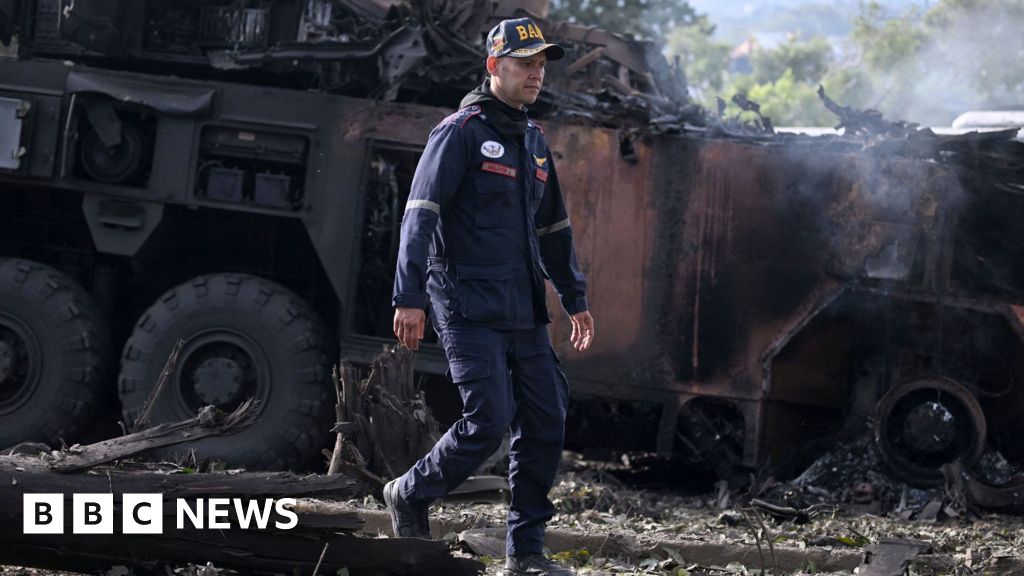
The Cuban government has declared two days of national mourning following a devastating US operation aimed at seizing Venezuelan leader Nicolás Maduro, during which 32 Cuban nationals, identified as members of its armed forces and intelligence agencies, were tragically killed. These brave individuals, according to an official statement, "fell, after fierce resistance, in direct combat against the attackers or as a result of bombardments of installations." Cuba, a staunch and long-standing ally of Venezuela, has historically provided critical support to Nicolás Maduro, including his personal security detail, and maintains a significant presence within the Venezuelan military.
Cuban President Miguel Díaz-Canel affirmed that his country had been providing protection to Maduro and his wife, First Lady Cilia Flores, "at the request" of the Venezuelan government. This revelation underscores the deep and intertwined security relationship between the two socialist nations. The US operation, which involved extensive intelligence gathering, had been meticulously planned. According to US General Dan Caine, US spies had been actively monitoring Maduro’s movements for months prior to the strike, meticulously charting his residences, travel routes, dining habits, and operational locations. This intelligence culminated in a precision operation designed to apprehend the Venezuelan leader.
Further complicating the narrative, The New York Times reported that the Central Intelligence Agency (CIA) had successfully recruited a "Venezuelan source" who allegedly provided the Americans with Maduro’s exact location, a critical piece of intelligence that facilitated the timing and execution of the raid. Many of the Cuban nationals believed to be among the casualties were an integral part of Maduro’s close security detail, present with him at the time of the US incursion. While Venezuela has not officially released a comprehensive death toll, its armed forces have confirmed that a "large part" of Maduro’s security team constituted the casualties.
The Cuban government’s official statement lauded its fallen citizens, asserting, "Our compatriots fulfilled their duty with dignity and heroism." This sentiment highlights the perceived sacrifice of Cuban personnel in defending a key regional ally. An unnamed Venezuelan official, cited by The New York Times, placed the total death toll at 80, with expectations that the figure could rise. BBC News has not independently verified this report, underscoring the fluid and potentially incomplete nature of information emerging from such a high-stakes operation. The scale of casualties, particularly among Cuban personnel, is likely to significantly escalate diplomatic tensions between the United States and both Cuba and Venezuela.
In the immediate aftermath of Maduro’s apprehension, a new and concerning dimension has emerged regarding the potential future actions of the Trump administration. Questions have been raised about the possibility of similar operations being considered against Cuba itself. This concern is rooted in Cuba’s own long-standing and often adversarial relationship with the United States, mirroring that of Venezuela.
Speaking to reporters on Sunday, US President Donald Trump offered a veiled but ominous pronouncement on Cuba’s future, stating that direct military action would not be necessary because "Cuba is ready to fall." He elaborated, "I don’t think we need any action. Looks like it’s going down. It’s going down for the count." This statement suggests a belief within the US administration that internal pressures or other factors are poised to destabilize the Cuban government, rendering overt military intervention superfluous.
Further fueling these anxieties, US Secretary of State Marco Rubio, on Saturday, characterized Cuba as a "disaster" governed by "incompetent, senile men." His remarks, delivered with pointed criticism, implied a lack of confidence in the current Cuban leadership and potentially signaled a willingness to exploit any perceived weakness. Rubio’s statement concluded with a chilling warning to those within the Cuban government: "If I lived in Havana, and I was in the government, I’d be concerned – at least a little bit." This sentiment hints at a potential shift in US policy towards Cuba, moving beyond sanctions to more assertive measures if opportunities arise.
The Trump administration’s approach to Cuba has been characterized by a tightening of restrictions, a reversal of some of the more conciliatory policies enacted by his predecessor, Joe Biden. In July of the previous year, Trump signed a memorandum imposing stricter sanctions on Cuba, a move the White House justified by stating it aimed to end "economic practices that disproportionately benefit the Cuban government, military, intelligence, or security agencies at the expense of the Cuban people." This policy shift also included more stringent enforcement of existing restrictions on American travel to Cuba.
During his first term, Trump had already adopted a similarly hardline stance, implementing a raft of additional sanctions against the island nation. This continued an economic embargo that has been in place for decades, a policy that has drawn considerable international criticism. Despite repeated calls from international organizations, including the United Nations, to lift the blockade, the US has maintained its economic pressure on Cuba. The embargo, initially imposed in 1962, remains one of the longest-standing economic sanctions regimes in modern history. The recent events in Venezuela and the escalating rhetoric from US officials suggest a potential intensification of this long-standing policy, with Cuba now facing increased scrutiny and potential further action. The tragic loss of 32 Cuban lives in the Venezuelan operation serves as a stark and grim reminder of the volatile geopolitical landscape in the region and the potential human cost of these high-stakes interventions. The implications of the Venezuelan operation for Cuba’s future trajectory, particularly in light of Trump’s recent statements, remain a significant concern for Havana and its allies. The interconnectedness of regional security and the long shadow of US foreign policy continue to shape the destinies of these Caribbean nations.

 Ramos Leo
 atisusanti
 Nakalama John
 Roy Suryo