Nana Banana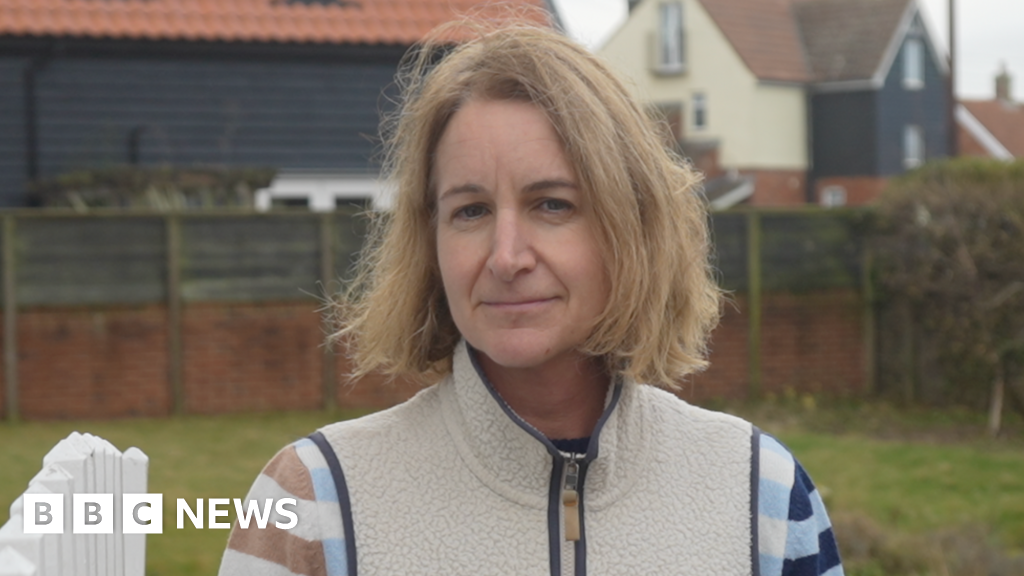
The picturesque Suffolk village of Thorpeness, known for its unique "House in the Clouds" and tranquil boating lake, is now gripped by a more ominous reality: the relentless advance of coastal erosion. For residents like Teresa Lane, a holiday homeowner in the village, the encroaching sea has become a source of profound dread, manifesting in sleepless nights and a gnawing fear that her property could be the next casualty. "I wake up at night in fear of losing my home," she confessed, her voice tinged with the anxiety shared by many in this vulnerable coastal community.
The stark evidence of this existential threat arrived dramatically on Monday morning, as demolition teams moved in on 22 North End Avenue. This property marks the fourth home to be torn down in Thorpeness this winter alone, a stark and brutal testament to the sea’s unyielding power. The sight of excavators systematically dismantling what were once cherished homes sends shivers down the spines of those who remain, a constant reminder of their precarious future. The destruction follows a period of particularly harsh weather this month, which significantly accelerated the erosion that has already claimed substantial parts of the coastline. The cliffs, once a protective barrier, are now visibly retreating, leaving properties perched precariously close to the edge.
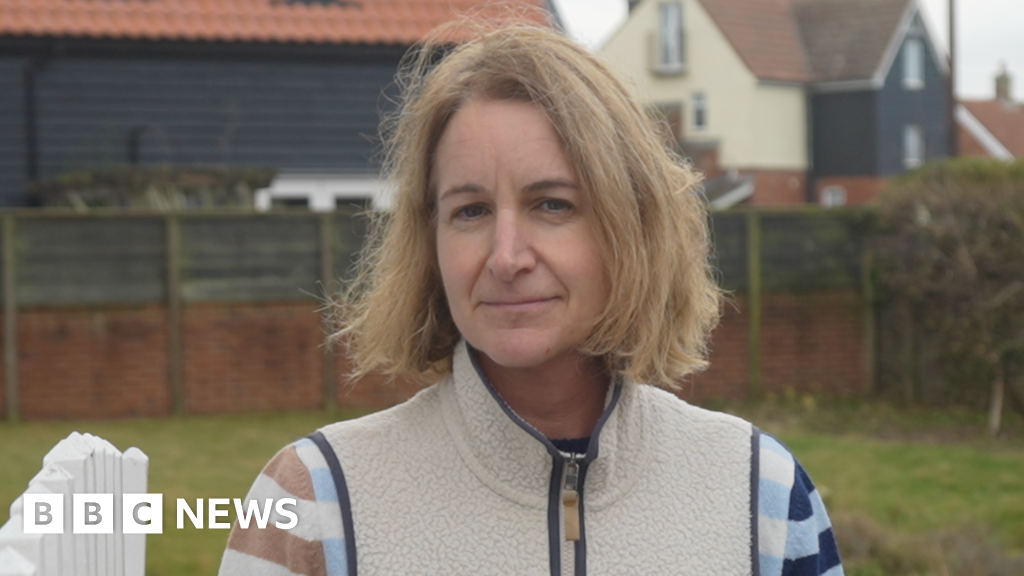
Teresa Lane, whose property is situated on Old Homes Road, in one of the village’s oldest sections, described feeling "sick" as she watched her neighbours’ homes being reduced to rubble. Her holiday home, a place of escape and cherished memories, now feels like a ticking time bomb. "The feeling of powerlessness is overwhelming," she explained, articulating a sentiment shared by many caught in this environmental crisis. "We know we can do nothing for the action of the sea, but the fear here for flooding and the risks associated are really real." Her concerns extend beyond the direct erosion, encompassing the broader implications of a compromised coastline, where rising sea levels and storm surges could lead to devastating inland flooding.
Just six months ago, the immediate threat felt more distant. However, the dramatic and sudden acceleration of erosion since Christmas has drastically altered her perception. "I hadn’t until probably six months ago, but now we are waking up in the middle of the night in fear of that happening," she stated, emphasizing the rapid shift in her peace of mind. "With the erosion in sight here and with houses being demolished around us, I think it is a real possibility if action isn’t taken rapidly." The psychological toll on residents is immense, as the dream of a coastal retreat transforms into a nightmare of uncertainty and potential financial ruin.
Richard Bennett, who owns a property at The Headlands on Admirals Walk, echoed Lane’s sense of shock and urgency. He described the recent events as a "huge surprise," explaining that the current rate of erosion was not anticipated for another decade. "From our point of view, this is 10 years ahead of what we were expecting," he lamented. His analysis points to the unpredictable nature of the forces at play. "The storms we’re having now have brought in a big swell and the sandbanks that used to protect Thorpeness have moved around, and no-one can predict that process." These dynamic underwater sand formations act as natural breakwaters, and their shifting patterns leave the coastline exposed to the full force of the waves.
Bennett’s observations underscore a critical point about the escalating "climate challenge." The increasing frequency and intensity of storms, coupled with rising sea levels, are creating an environment where historical predictions for coastal change are becoming obsolete. "We have a weather and climate challenge that is unpredictable and it’s become more severe," he noted, refraining from assigning blame but highlighting the scale of the environmental crisis. "I don’t think anybody can be blamed for that personally." This recognition of a broader, systemic issue highlights the complex and often intractable nature of addressing such profound environmental shifts.
The roll call of lost properties in North End Avenue is growing. The Warren, The Chantry, and Cheneys have all succumbed to the sea this winter, following The Red House which was demolished in 2022. Each demolition marks not just the loss of a building, but the obliteration of investments, memories, and a piece of Thorpeness’s unique character. These properties were not merely structures; they were homes that contributed to the village’s vibrant identity.
East Suffolk Council, the lead authority grappling with this crisis, had initially expressed a glimmer of hope late last year, believing the erosion might be slowing. However, the ferocity of this month’s bad weather has dashed those hopes, proving that nature’s timetable is often far swifter and more brutal than human predictions. The council has now identified nine other properties in the village that are at immediate risk, casting a long shadow over their owners.
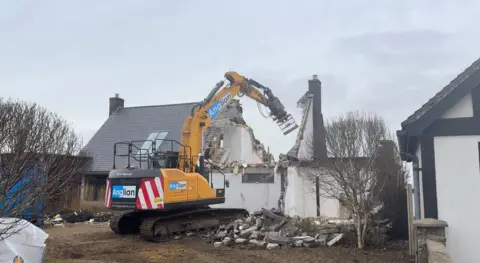
In response to the escalating situation, a spokesperson for East Suffolk Council reiterated on Monday that their "primary focus was safety," urging the public to stay clear of the perilous cliffs and beaches. The instability of the eroded cliffs poses a significant danger, with further collapses possible at any moment. The council acknowledged the grim reality: "Whilst there are no viable long-term solutions to stop the erosion at Thorpeness, we continue to work around the clock with residents, the Environment Agency and the local MP to tackle this developing situation and to consider any potential short-term solutions which may slow the erosion." This admission that long-term solutions are not viable speaks volumes about the immense challenges faced by communities like Thorpeness, where the cost and feasibility of comprehensive coastal defence often outweigh the benefits. Short-term measures, such as temporary rock armour or localized sand replenishment, might offer brief reprieves but cannot fundamentally alter the relentless march of the sea.
The urgency of the situation prompted Suffolk Coastal MP Jenny Riddell-Carpenter to visit the village over the weekend, accompanied by representatives from the Environment Agency. She met with affected residents, listening to their fears and concerns firsthand. However, she also issued a stern warning to the wider public, noting that "lots of people" were travelling to Thorpeness to witness the eroded cliffs, turning a local tragedy into a spectacle. "I appreciate there’s a lot of interest in this; these are families that are going through an incredibly hard time, but it’s also just not safe on the coast," the Labour MP told BBC Radio Suffolk’s Wayne Bavin. "If you can stay away from the area it would help and it would give the families the dignity and the space they need to process what is going on." Her plea highlights the immense psychological burden on residents, who are not only losing their homes but also contending with an influx of curious onlookers.
The Environment Agency, while acknowledging the profound effect the erosion is having on the community, reiterated that its primary role is to provide "advice and guidance." This often involves assessing the risks, predicting future erosion rates, and offering strategic recommendations to local authorities. However, the agency’s mandate typically does not extend to funding or implementing large-scale coastal defence projects in areas deemed economically unviable for such interventions. The concept of "managed retreat," where communities are encouraged to relocate rather than defend, implicitly underpins much of the long-term planning in such highly vulnerable areas.
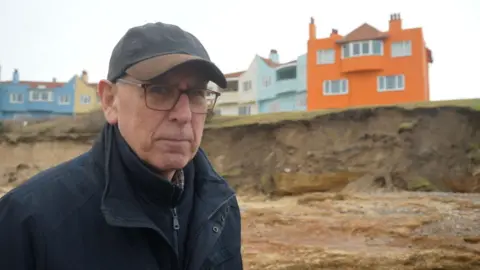
The fate of Thorpeness underscores a broader national and global challenge. As climate change intensifies, more coastal communities face similar dilemmas, grappling with the irreversible consequences of a changing environment. For Teresa Lane and her neighbours, the question is no longer if the sea will claim more homes, but when. The current winter has brought this reality into sharp, painful focus, transforming a picturesque Suffolk village into a poignant symbol of the fight against the encroaching tides.



 Ramos Leo
 Nakalama John
 George Anjay