Nana Banana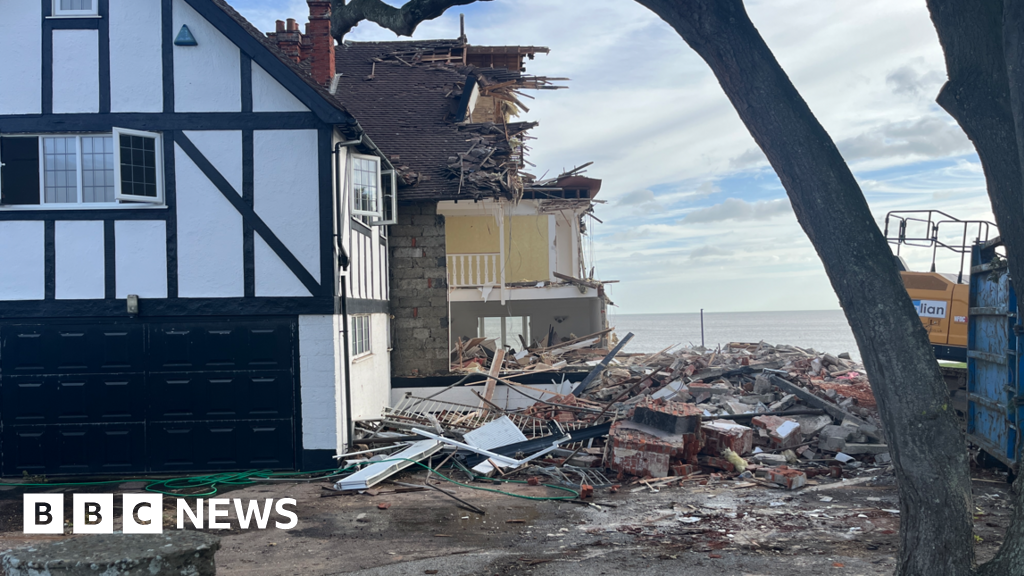
The announcement brings a measure of reassurance to a community grappling with the profound impact of coastal change. The council estimates the total cost for these essential demolitions could reach approximately £330,000. This financial pledge addresses what has been a "grave concern" for residents, as highlighted by Mark Packard, the cabinet member for planning and coastal management. "Property owners are suffering a genuinely devastating experience, and our teams have been working closely with those affected throughout," explained the Liberal Democrat councillor, acknowledging the immense emotional and practical toll on those losing their homes.
The urgency of the situation has been amplified by the "unprecedented rate" of erosion witnessed in recent weeks. While coastal erosion is a long-standing challenge for Suffolk, the intensity and speed of recent land loss have prompted immediate action from the council. "A decision has been taken to immediately ensure costs are covered in the short term," Packard affirmed, underscoring the council’s proactive approach. "This is a tragedy for property owners; however, we are able to address one of the most worrying elements of this upsetting situation."
It is important to note that East Suffolk Council is not legally mandated to cover these demolition costs. Despite this, the local authority has chosen to step in, drawing upon its reserves to support residents through this crisis. This voluntary commitment reflects a recognition of the extraordinary circumstances and the severe hardship faced by those whose homes are directly threatened by the encroaching North Sea. The council’s stance offers a vital lifeline, alleviating a significant financial burden from individuals already dealing with the loss of their most valuable asset.
Thorpeness, a unique village known for its distinctive mock-Tudor style architecture and the enchanting Meare boating lake, has long been a cherished spot on the Suffolk coast. Developed in the early 20th century by entrepreneur Stuart Ogilvie as an exclusive holiday resort, it was designed to evoke a whimsical, timeless charm. The Meare, with its islands themed around J.M. Barrie’s Peter Pan, remains a popular attraction, symbolizing the village’s quaint and imaginative spirit. However, this idyllic setting now faces a very real and stark threat.
The Suffolk coastline, particularly the stretch between Thorpeness and Covehithe, is one of the fastest eroding coastlines in Europe. Characterized by soft, sandy cliffs and exposed to powerful North Sea currents and storm surges, the land here can retreat by several metres in a single year, sometimes even more during severe weather events. Historically, coastal management strategies have varied along this stretch, with some areas subject to ‘managed realignment’ – allowing the coastline to naturally retreat – and others attempting to ‘hold the line’ with sea defences.
Initially, East Suffolk Council held out hope that the erosion rates might stabilize or even improve. However, a series of relentless bad weather systems at the start of the year proved devastating, leading to significant and rapid losses of land. This exacerbated an already critical situation, pushing more properties to the brink. In response, the local authority had already invested a substantial £750,000 over the past year in maintaining existing sea defences along its coastline. These efforts typically involve measures such as beach nourishment, gabion baskets, and sandbag installations, designed to dissipate wave energy and protect the cliff face.
Despite these considerable investments, the council acknowledges that in the immediate future, "nothing else that can be done" to prevent further erosion in the most critical areas around Thorpeness. This stark reality underscores the formidable power of nature and the limitations of engineering solutions against such aggressive coastal processes. The decision reflects the scientific consensus that, in certain vulnerable locations, attempting to perpetually hold the line against an ever-advancing sea becomes economically unviable, environmentally damaging, or simply physically impossible.
The grim statistics paint a clear picture of the escalating crisis. This winter alone, four homes in Thorpeness have had to be demolished, adding to one property that was taken down in 2022. The current prognosis is even more alarming, with a further nine properties now identified as being at imminent risk of being lost to the sea. For the homeowners, this means not only the physical destruction of their property but also the emotional trauma of losing a cherished home, often filled with years of memories and significant personal investment. The challenges extend beyond demolition costs, encompassing the struggle to secure new housing, the often-insurmountable difficulties with property insurance in high-risk areas, and the profound sense of displacement.
The long-term implications for Thorpeness and other vulnerable coastal communities in Suffolk are profound. As climate change continues to drive rising sea levels and more frequent, intense storm events, the pressure on these coastlines will only intensify. East Suffolk Council, along with national agencies like the Environment Agency, is continuously reviewing its long-term coastal management plans. These plans often involve difficult conversations about adaptation, including potential ‘rollback’ policies where properties are moved inland, or ‘managed retreat’ where the coastline is allowed to naturally evolve.
The commitment to fund demolitions in Thorpeness represents a pragmatic and compassionate response to an immediate crisis. It acknowledges the human cost of coastal erosion and seeks to mitigate at least one significant burden for affected residents. However, it also highlights the broader, ongoing challenge facing coastal communities across the United Kingdom: how to adapt and thrive in the face of an ever-changing environment, where the land beneath our feet is literally slipping away. The tale of Thorpeness serves as a poignant reminder of this pressing environmental and social dilemma, necessitating continued vigilance, strategic planning, and unwavering support for those on the front line of climate change.



 George Anjay
 Ramos Leo
 Nakalama John