Ramos Leo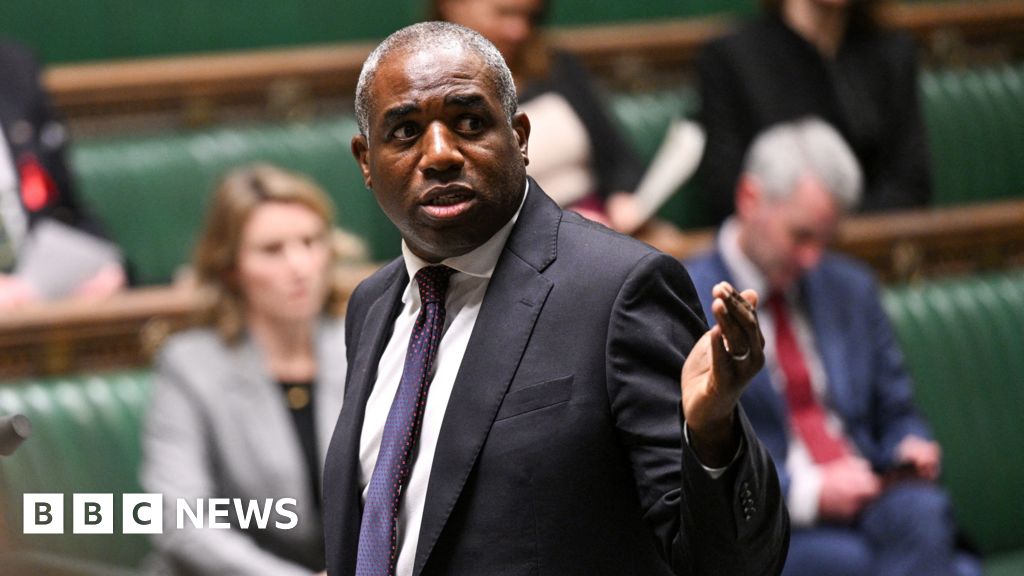
The government has launched an ambitious recruitment drive, seeking to enlist thousands of new volunteer magistrates across England and Wales. This significant push forms a central pillar of the Ministry of Justice’s (MoJ) broader strategy to tackle the unprecedented backlog of cases choking the criminal justice system, particularly within the Crown Courts. Following the successful training of over 2,000 magistrates since 2022, the latest initiative aims to further boost this crucial workforce by another 2,000 within the upcoming financial year, underscoring the urgency of the situation.
Justice Secretary David Lammy articulated the profound importance of magistrates, describing their role as "vital" to the functioning of the court system. He issued a compelling call to action, urging "more people of every age and background to volunteer" and contribute to local justice. Lammy’s comments come against a backdrop of sweeping reforms he announced in December, aimed at streamlining the criminal courts and accelerating the justice process. Among the most contentious of these proposed changes is the potential removal of juries from a number of trials in England and Wales, a move that has sparked considerable debate within legal circles and among civil liberties advocates.
The stark reality of the justice system’s current predicament is laid bare by recent figures. More than 79,600 criminal cases are currently caught in the court backlog across England and Wales – a record high since early 2023. This alarming figure is projected by the MoJ to soar to an astonishing 100,000 by 2028 if no decisive action is taken. The human cost of these delays is immense; for some serious crimes charged as early as 2026, victims, witnesses, and even suspects face the agonizing prospect of waiting years for their cases to come to trial, potentially not seeing justice until 2030 or beyond. Such protracted delays erode public confidence in the justice system, prolong trauma for victims, and leave defendants in a state of prolonged uncertainty, often impacting their lives and livelihoods.
Magistrates, often referred to as "everyday heroes" by Justice Secretary Lammy, shoulder a considerable burden, hearing thousands of cases annually across various jurisdictions. Their work is fundamental to the local justice system, handling around 90% of all criminal cases, from minor assaults and public order offences to driving infringements and low-level theft. They also preside over youth court proceedings and play a critical role in civil and family matters, including child protection orders and domestic violence cases. The commitment required, though voluntary, is substantial, with magistrates expected to dedicate at least 13 days a year to hearing cases, often more depending on court listings and their availability.
"Volunteering to become a magistrate can make a real difference to your life and the lives of others," Lammy stated passionately. "It offers a unique opportunity to contribute directly to your community, uphold the rule of law, and ensure fairness. That’s why I’m calling on the public to apply and play your part in delivering swifter justice."
The recruitment drive emphasizes the need for a diverse pool of applicants. While no formal legal qualifications are required, successful candidates must possess sound judgment, common sense, and the ability to listen carefully and make reasoned decisions. They undergo rigorous training, which equips them with the necessary legal knowledge and procedural understanding. Throughout their service, magistrates are supported by legally qualified clerks and advisers who guide them on points of law and procedure, ensuring that justice is administered correctly and fairly. This support network is crucial, allowing individuals from all walks of life to effectively contribute without prior legal expertise. The MoJ’s latest figures indicate that the current magistracy is composed of 57% female volunteers and 14% from an ethnic minority background, with London boasting the highest proportion of 31% ethnic minority magistrates. The drive aims to further enhance this diversity, ensuring that the bench better reflects the communities it serves, fostering greater trust and legitimacy in judicial decisions.
While the Magistrates’ Association welcomed the recruitment drive as a "big vote of confidence" in the crucial role magistrates play, they also tempered their enthusiasm with a pragmatic call for increased resources across the entire court system. Specifically, the Association highlighted the urgent need for more trained legal advisers to support magistrates, without whom new recruits cannot operate effectively. They also drew attention to the critical issue of crumbling court buildings, many of which are in desperate need of repair and modernization. Beyond these immediate concerns, experts suggest that improvements are also needed in court IT infrastructure, administrative support staff, and the overall funding of the justice system to truly tackle the deep-seated problems contributing to the backlog. Without these foundational improvements, the mere increase in magistrate numbers risks becoming a superficial fix.
Shadow Justice Minister Kieran Mullan echoed this sentiment, acknowledging the welcome nature of the recruitment drive but asserting that it "cannot paper over the failings of a justice secretary and Labour government that has consistently failed to deliver meaningful reform." Mullan’s critique points to broader systemic issues, arguing that a lack of sustained investment in legal aid, police forces, and prosecutor services has exacerbated the backlog. He also questioned the long-term viability of some of the proposed reforms, particularly the removal of juries, which he suggested could undermine fundamental principles of justice and public trust. The opposition’s stance highlights the political tightrope the government must walk, balancing the imperative for speed with the fundamental principles of fairness and due process.
The government’s proposed reforms, especially the controversial idea of removing juries from certain trials, are intended to free up court time and reduce the burden on Crown Courts. While the specifics of which types of cases might be affected remain subject to ongoing debate, the suggestion itself has ignited a firestorm of protest from legal professional bodies, including the Bar Council and the Law Society. Critics argue that jury trials are a cornerstone of the British justice system, providing a vital check on state power and ensuring that justice is administered by ordinary citizens. Concerns have been raised about the potential for miscarriages of justice and a two-tiered system where serious crimes might be handled differently depending on the availability of court resources. Legal experts suggest that while efficiency is important, it must not come at the expense of fundamental rights and the integrity of the judicial process.
The scale of the challenge is undeniable. The court backlog is not merely a statistical anomaly but a crisis with profound implications for individuals and society at large. It means justice delayed, which is often justice denied. It means victims waiting years for closure, defendants held in limbo, and public confidence in the rule of law steadily eroding. The current recruitment drive for magistrates, coupled with broader reforms, represents a critical juncture for the English and Welsh justice system. Its success hinges not only on attracting dedicated volunteers but also on ensuring they are adequately supported, resourced, and integrated into a system that itself is fit for purpose and capable of delivering timely and fair outcomes for all. The coming years will reveal whether these measures are sufficient to stem the tide of cases and restore the efficiency and integrity of the nation’s courts.




 George Anjay
 Roy Suryo
 atisusanti
 Nakalama John