
 atisusanti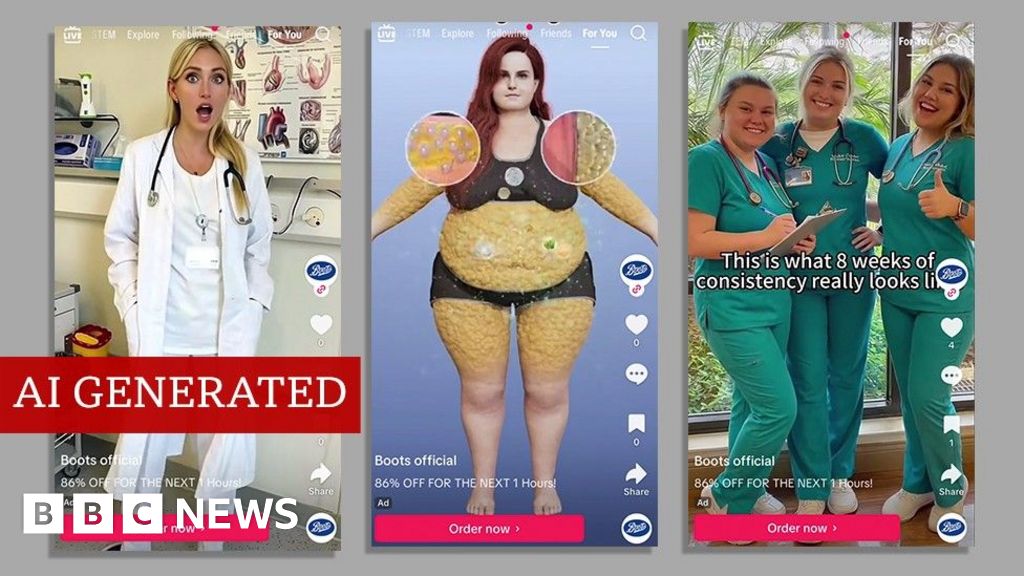
Fake adverts for weight loss drugs, deceptively created by a company impersonating the health and beauty retailer Boots, have been removed from TikTok following a formal complaint lodged by the genuine firm. The misleading advertisements, promoting prescription-only weight loss medications, featured seemingly smiling healthcare professionals purportedly from the well-known British retailer. However, investigations revealed these individuals were not real but were fabricated using sophisticated artificial intelligence (AI). The advertising of prescription-only weight loss drugs to the general public is strictly illegal in the UK. A spokesperson for Boots confirmed to the BBC that the company was "aware" of the fraudulent videos and had promptly escalated the issue to TikTok, which subsequently confirmed the removal of the offending content.
A TikTok spokesperson reiterated the platform’s policy against "harmful or misleading AI-generated ads," stating that such content is not permitted on their service. Despite the initial removal, the BBC’s investigation uncovered a concerning loophole: the account, which appeared to be operated from Hong Kong, remained active. The BBC was able to re-upload the exact same deceptive videos, even after their initial removal, highlighting a potential deficiency in TikTok’s enforcement mechanisms. Following a further notification from the BBC regarding this re-upload, the user account was eventually deleted.
Weight-loss injections have been available through the NHS in England since late June, but their accessibility is highly restricted. They are not available for over-the-counter purchase, and patients must meet stringent eligibility criteria to qualify for a prescription. Prior to the fake Boots account’s ultimate removal, its videos directed users to an external website where these weight loss drugs could be purchased. This website featured testimonials from purported customers and medical professionals, which were either generated by AI or pilfered from other online sources. The deceptive TikTok videos often depicted individuals who appeared to be healthcare workers consuming a vial of blue liquid. These clips would then abruptly jump forward in time, showcasing the same individuals apparently having undergone significant weight loss.
AI expert Sam Gregory commented on the evolving threat, explaining to the BBC that "AI now makes it trivially easy to generate a convincing series of videos or images showing an apparent change in a plausibly real generic health professional, or to impersonate specific health professionals wholesale." Gregory emphasized the critical question of platform responsiveness: "The underlying question is how quickly and comprehensively platforms act when they detect – or are notified of – scams that clearly breach their terms of service." He further noted that "Major brands like Boots will get prioritised over an individual business owner who’s been targeted," suggesting a tiered approach to content moderation based on the prominence of the infringed brand.
Further examination of the account’s content revealed that other videos uploaded by the same deceptive entity on TikTok had repurposed content originally posted by real individuals documenting their own weight-loss journeys. This content was used without their consent, further compounding the ethical and legal breaches. Crucially, all of these fabricated videos employed branding and account names that closely mimicked those of the official Boots account on TikTok, including the handle "@BootsOfficial." In contrast, Boots clarified that it exclusively advertises on social media through its legitimate account, "@BootsUK."
The fraudulent website also displayed warnings from the MHRA (Medicines and Healthcare products Regulatory Agency), the UK’s governmental body responsible for ensuring the safety of medicines and medical devices. These warnings pertained to the risks associated with purchasing counterfeit products. A spokesperson for the MHRA underscored the importance of obtaining weight loss medicines exclusively through legitimate channels. They stated that "weight loss medicines ‘should only be obtained from a registered pharmacy against a prescription issued by a healthcare professional’." The spokesperson further cautioned, "Taking these medicines sourced in any other way carries serious risks to your health with no guarantees about what they contain."
In response to these concerns, TikTok stated its commitment to continuously "strengthen" its detection methods for AI-generated content. The platform reiterated its strict prohibition against "the depiction, promotion, or trade of controlled substances." The incident highlights the escalating challenges platforms face in combating sophisticated AI-driven misinformation and scams, particularly when they target vulnerable individuals seeking health solutions and exploit the trust associated with established brands. The ease with which AI can create convincing synthetic media poses a significant threat, necessitating robust detection, rapid response, and clear communication between platforms and legitimate businesses to protect consumers from harmful deceptions. The case of the fake Boots account underscores the need for ongoing vigilance and proactive measures to ensure the integrity of online advertising and to safeguard public health against fraudulent health claims. The speed at which the BBC was able to re-upload the content after its initial removal suggests that while platforms may have policies in place, their enforcement mechanisms require constant refinement and adaptation to counter evolving deceptive tactics. The ultimate deletion of the account after repeated notifications indicates that collaborative efforts between reporting bodies and social media platforms are vital in achieving effective content moderation and user safety.



 Ramos Leo
 Nakalama John
 George Anjay

 Roy Suryo