Nakalama John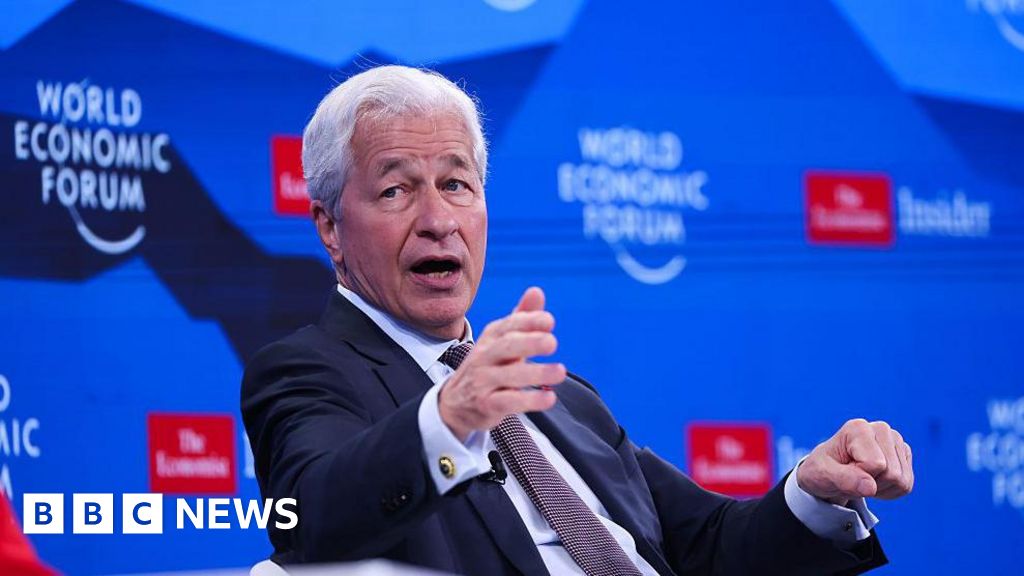
Dimon’s comments, delivered from the prestigious stage of the World Economic Forum (WEF) in Davos, Switzerland, underscored the gravity with which the financial industry views Trump’s latest populist economic pledge. Speaking to a global audience of business leaders and policymakers, he emphasized that while JPMorgan Chase, a titan of global finance, would likely survive such a policy, the broader American economy and its citizens would face dire consequences. His assertion that a 10% cap would be "drastic" pointed to the fundamental restructuring it would necessitate within the lending landscape, far removed from the current average US credit card interest rate hovering around 20%.
Trump initially unveiled his plan via a post on his Truth Social platform on January 13th, suggesting an effective date of January 20, 2026, for a one-year cap. He explicitly stated his intention as president to "no longer let the American Public be ‘ripped off’ by Credit Card Companies." This populist rhetoric, aimed at portraying credit card companies as predatory, resonates with a segment of the electorate burdened by high interest payments. However, the mechanism for introducing and enforcing such a cap – whether through executive order, congressional legislation, or regulatory intervention – remains entirely undefined, raising significant questions about its legal feasibility and practical implementation.
The core of Dimon’s concern, echoed by numerous banking associations and industry experts, revolves around the economics of lending. Credit card companies price their interest rates based on a complex calculation of risk, operational costs, and the cost of capital. A substantial portion of this pricing accounts for potential defaults and losses, especially among borrowers with lower credit scores. Capping rates at a mere 10% would, in the industry’s view, make it economically unviable to lend to a vast swathe of the population, particularly those deemed higher risk. Dimon estimated that "80% of Americans" would lose access to credit, effectively removing what he termed "their back up credit" – a crucial financial lifeline for unexpected expenses, emergencies, or bridging short-term cash flow gaps.
The repercussions for consumers would extend far beyond merely losing access to a convenient payment method. Without readily available, regulated credit, many individuals and families would be pushed towards "less regulated, more costly alternatives," as warned by a joint statement from five prominent US banking bodies. This often means resorting to predatory payday loans, title loans, or even illicit lenders, which typically carry exorbitant fees and interest rates, trapping vulnerable individuals in cycles of debt even more severe than those they might currently face with traditional credit cards. Dimon chillingly predicted that "the people crying the most won’t be the credit card companies, it will be the restaurants, the retailers, the travel companies, the schools, the municipalities because people will miss their water payments," illustrating a domino effect on essential services and daily life.
The impact on businesses, as Dimon elaborated, would be equally profound. Credit cards are the engine of modern consumer spending, facilitating transactions for everything from daily groceries to large travel bookings. A significant reduction in credit availability would directly translate to a sharp decline in consumer purchasing power, hitting retailers, restaurants, and travel firms particularly hard. Furthermore, institutions like schools and municipalities often rely on credit card payments for tuition fees, property taxes, and utility bills. A breakdown in this payment infrastructure could lead to widespread delinquencies, straining public services and local economies.
Dimon’s critical remarks also contained a pointed jab at two prominent Democratic senators, Bernie Sanders of Vermont and Elizabeth Warren of Massachusetts, both long-standing advocates for stricter consumer protections and interest rate caps. Dimon suggested that if Trump were to proceed with his plan, it should be trialed in their respective states, highlighting the political divide on this issue. Sanders and Warren have consistently argued that high credit card interest rates constitute usury and exploit financially vulnerable Americans, aligning with Trump’s populist rhetoric, albeit from a different ideological standpoint. However, the banking industry’s counter-argument emphasizes that such caps, while seemingly beneficial, often lead to unintended consequences that harm the very consumers they aim to protect by making credit inaccessible.
The financial markets reacted swiftly to Trump’s initial social media post. Investors in major credit card firms like American Express, Visa, and Mastercard saw their shares dip, reflecting concerns over potential profit erosion and increased risk exposure for lenders. Even UK bank Barclays, with significant credit card operations, experienced a drop in its stock value, underscoring the global implications of such a drastic policy shift in the world’s largest economy. These market movements are a tangible indicator of the financial industry’s apprehension regarding the practical and economic viability of a 10% interest rate cap.
Despite the widespread warnings from financial leaders and banking associations, Trump has doubled down on his proposal. In a subsequent interview with the business news channel CNBC, he reiterated his stance, stating, "I’ve had calls from credit card companies, people that are friends of mine, actually, and I treat them good. I respect them greatly, but they make a lot of money, they got to give people a break." This comment reveals Trump’s perception that credit card companies are simply profiting excessively and can absorb the hit, a view that sharply contrasts with the industry’s intricate financial models and risk assessments.
The debate surrounding credit card interest rate caps highlights a fundamental tension between consumer protection and market functionality. While the intention behind such a cap might be to alleviate financial burdens on consumers, the banking industry argues that a 10% limit is an artificial constraint that ignores the realities of risk-based lending. Existing regulations, such as the CARD Act of 2009, already provide significant consumer protections, including limits on certain fees and clear disclosure requirements. However, a 10% cap would represent a radical departure from current regulatory frameworks and market practices, potentially reshaping the entire consumer credit landscape in the United States. The dire warnings from figures like Jamie Dimon underscore the potentially catastrophic unintended consequences, suggesting that what appears to be a consumer-friendly measure could, in fact, lead to an economic calamity for millions of Americans and the businesses that serve them.


 Ramos Leo
 George Anjay