Nakalama John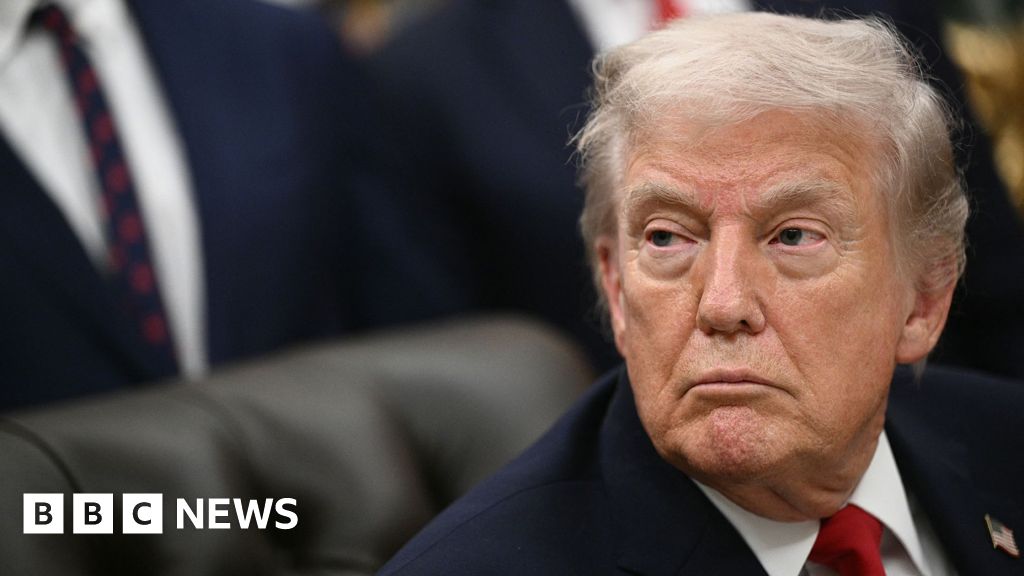
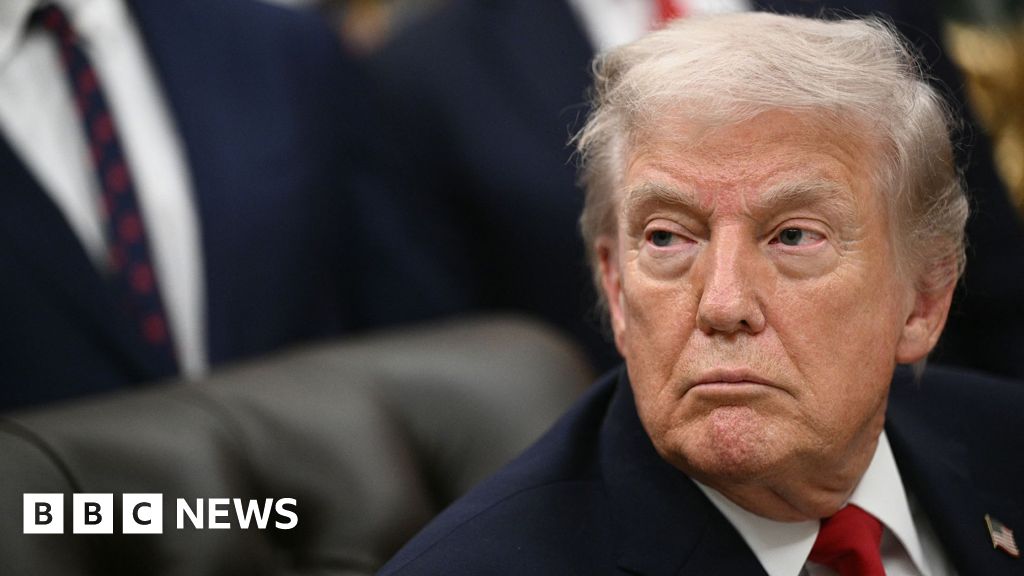
The former US leader, known for his often unpredictable foreign policy pronouncements, referred to President Xi as a "friend" whom he knew "very well," a seemingly contradictory remark given his warning against engaging with China. This dualistic approach has been a hallmark of Trump’s interactions with global leaders, often blending personal rapport with firm geopolitical and economic demands. His intervention immediately injected a significant degree of geopolitical tension into Sir Keir’s carefully orchestrated diplomatic and trade mission, underscoring the delicate balancing act required of Western nations navigating their relationships with Beijing.
Responding robustly to Trump’s critique, UK business minister Sir Chris Bryant dismissed the former president’s assessment as "wrong," asserting that it would be "bonkers frankly for the UK to ignore the presence of China on the world stage." Bryant emphasized that the UK was entering its relationship with China "with our eyes wide open," implying a clear-sighted approach to the opportunities and inherent risks. He also highlighted a pertinent point of potential hypocrisy, noting that Trump himself was reportedly scheduled to visit China in April, a detail that many observers believe undermines the former president’s strong admonitions to allies. Downing Street, in turn, indicated that Washington had been apprised of Sir Keir’s trip and its objectives well in advance, suggesting a level of diplomatic communication aimed at pre-empting or at least managing potential friction with its closest ally.
Trump’s remarks were solicited by a reporter who directly asked him, "What do you think about the UK going into business with China?" His initial response was concise but unequivocal. Beyond his brief comments regarding the UK, Trump then pivoted, delivering an even more forceful warning to Canada, stating it was "even more dangerous, I think, for Canada" to engage economically with Beijing. He added, "Canada is not doing well. They’re doing very poorly, and you can’t look at China as the answer." This broader regional warning echoed a previous threat made earlier in the week, where the former US president vowed to impose tariffs on Canada if it proceeded with economic deals struck during a recent visit to Beijing by its Prime Minister, Mark Carney. These consecutive warnings signal a consistent hardline stance from Trump on Western engagement with China, irrespective of the specific ally.
Sir Keir Starmer’s visit, the first by a UK leader since 2018, comes at a pivotal moment for global geopolitics and trade. Earlier in the week, following his discussions with President Xi at the iconic Great Hall of the People, Sir Keir declared that the UK’s relationship with China was in a "good, strong place." On Friday, he reiterated his satisfaction, describing the "very good meetings" with Xi as having provided "just the level of engagement that we hoped for." Addressing the UK-China Business Forum at the Bank of China in Beijing, he expressed optimism, stating, "We warmly engaged and made some real progress, actually, because the UK has got a huge amount to offer." The agreements reached reportedly covered not only increased business and investment but also expanded co-operation in critical areas such as combating organised crime and addressing illegal immigration, reflecting a broader agenda beyond purely economic ties.
The economic imperative behind the UK’s engagement with China is undeniable. According to data from the Department for Business and Trade, the United States remained the UK’s largest single-country trading partner in 2025, but China stood as the fourth largest. This significant economic footprint means that disengaging from China, as some critics advocate, would carry substantial economic costs for the UK. The British Chamber of Commerce in China, through its chair Chris Torrens, lauded Sir Keir’s visit as "successful." Torrens articulated the pragmatic view that it "makes sense for the UK to be looking to China; it’s one of its larger trading partners." He further observed that numerous other Western leaders had either recently visited Beijing or were planning to do so soon, including, ironically, Trump himself.
Torrens also highlighted the perceived double standard in the US’s approach: "The US are maybe sanctioning and reprimanding other economies and slapping tariffs on countries that are doing deals with China but the US itself may well do a deal with China. In fact, we expect that this year." This sentiment resonates with a broader debate about the consistency and effectiveness of Western policies towards China, where the rhetoric of competition and caution often clashes with the reality of economic interdependence.
Sir Keir Starmer’s itinerary saw him arrive in Shanghai on Friday morning, the final leg of his China visit before departing for Tokyo. In the Japanese capital, he is scheduled to meet his Japanese counterpart, Prime Minister Sanae Takaichi, for a working dinner, further signaling the UK’s strategic engagement across the Indo-Pacific region. This multi-stop tour underscores the complex web of alliances and economic partnerships the UK is attempting to cultivate in an increasingly multipolar world.
Despite the positive framing by the government and business community, Sir Keir’s trip has not been without significant criticism from opposition MPs. Concerns have been primarily raised over the potential risks posed to the UK’s national security and China’s well-documented human rights record. Shadow Home Secretary Chris Philp, a vocal critic, accused Sir Keir of having "gone to Beijing to kowtow to President Xi" and alleged that the government was trading "national security for economic crumbs off the Chinese table." Such criticisms reflect deep-seated anxieties within a segment of the political establishment regarding China’s geopolitical ambitions, its treatment of Uyghurs in Xinjiang, the suppression of democracy in Hong Kong, and concerns about intellectual property theft and cyber espionage.
Security Minister Dan Jarvis, addressing these concerns, assured the public that intelligence agencies had been "integral" to the decision-making process surrounding the trip. He stated he was "content any risks are being appropriately managed," suggesting that robust security protocols and risk assessments were in place to mitigate potential vulnerabilities. This assurance aims to strike a balance between the economic imperative of engaging with a global powerhouse and the paramount need to safeguard national security interests.
The broader geopolitical context for Sir Keir’s visit is one of intensifying great power competition. The United States, under various administrations, has increasingly viewed China as its primary strategic rival, seeking to counter its growing economic and military influence. Trump’s "America First" doctrine and subsequent trade wars significantly escalated tensions, and while the current US administration has shifted its tone, the strategic competition remains fierce. For the UK, navigating this complex landscape means balancing its "special relationship" with the US, its commitments to human rights, and its own economic interests. Engaging with China, therefore, is not merely an economic decision but a profound geopolitical one, with implications for its standing on the world stage and its relationships with both allies and rivals. The "very dangerous" warning from Donald Trump serves as a potent reminder of these underlying tensions and the constant scrutiny faced by nations seeking to chart an independent course in an increasingly interconnected and contested global order.

 George Anjay
 Ramos Leo
 Roy Suryo
 atisusanti