
 Nana Banana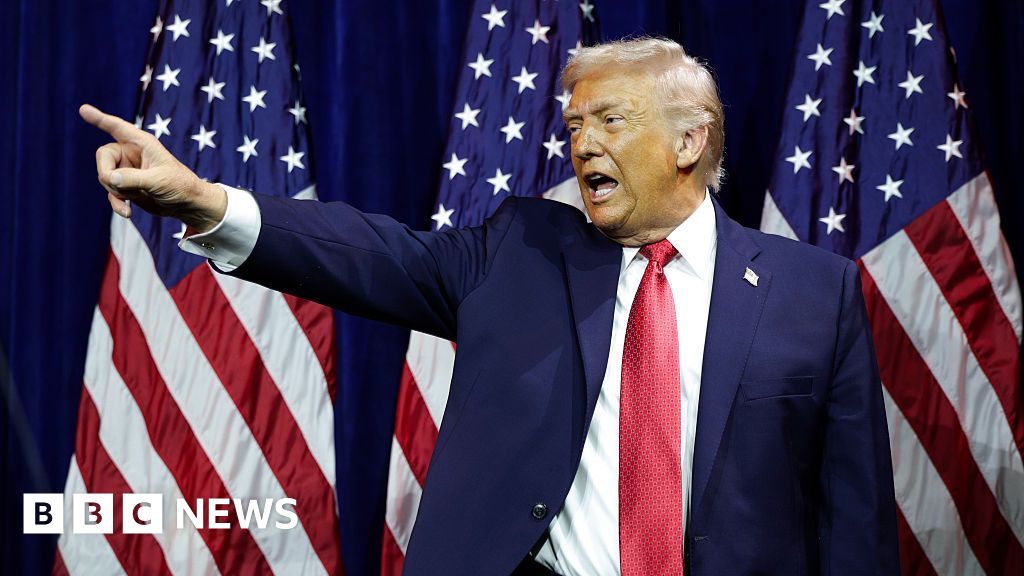
Central to this broad disengagement was the withdrawal from the United Nations Framework Convention on Climate Change (UNFCCC). Established in 1992 at the Rio Earth Summit, the UNFCCC serves as the foundational international environmental treaty to combat "dangerous human interference with the climate system." It provides the framework for global climate action, including the negotiation of landmark agreements like the Kyoto Protocol and the Paris Agreement, and convenes the annual Conferences of the Parties (COPs) where nations discuss and advance climate policy. The US played a pivotal role in the convention’s inception and ratification, making its withdrawal a significant symbolic and practical blow to international climate cooperation. This particular action underscored the Trump administration’s profound skepticism towards the scientific consensus on anthropogenic climate change, a position consistently articulated by President Trump, who had previously dismissed global warming as a "hoax."
The memorandum, signed on a Wednesday following an internal review, justified these withdrawals as necessary to eliminate what the White House characterized as "a waste of taxpayer dollars." It asserted that ending American taxpayer funding and involvement in these entities would prevent the advancement of "globalist agendas over US priorities." Furthermore, the administration criticized many of the organizations for promoting "radical climate policies, global governance and ideological programs that conflict with US sovereignty and economic strength." This rhetoric echoed the "America First" doctrine that had guided Trump’s foreign policy throughout his presidency, prioritizing perceived national interests above international collaboration and shared responsibilities.
Among the other significant climate-related bodies affected was the UN’s Intergovernmental Panel on Climate Change (IPCC). The IPCC is the leading international body for assessing climate change, established in 1988 by the World Meteorological Organization (WMO) and the United Nations Environment Programme (UNEP). It provides policymakers with regular scientific assessments on climate change, its implications, and future risks, as well as putting forward adaptation and mitigation options. Its comprehensive reports, synthesized by thousands of scientists worldwide, form the scientific bedrock for international climate negotiations. Withdrawing from the IPCC meant a further distancing of the US from the global scientific consensus it had historically helped to build and fund.
Beyond climate initiatives, the list of organizations included a diverse range of UN bodies dedicated to crucial global challenges. These encompassed entities working on peace and democracy, highlighting a broader rejection of multilateral approaches to conflict resolution and governance promotion. Organizations focused on family planning, maternal and child health, and addressing sexual violence in conflict were also impacted. This indicated an ideological divergence, potentially reflecting the administration’s stance on social issues, reproductive rights, and humanitarian interventions that might be perceived as overstepping national sovereignty or promoting agendas contrary to conservative values. The collective withdrawal from such a wide array of organizations signaled a comprehensive effort to recalibrate US foreign policy towards a more unilateral and isolationist posture.
The legal ramifications of such withdrawals presented a complex constitutional challenge. While the US Constitution explicitly grants the president the power to enter into treaties "provided two thirds of Senators present concur," it remains silent on the procedure for withdrawal. This ambiguity often leaves presidential decisions vulnerable to legal challenges and questions of executive overreach. Critics argue that such unilateral withdrawals undermine the constitutional principle of checks and balances and could set dangerous precedents for future administrations, potentially destabilizing long-standing international commitments without proper congressional oversight or debate.
The announcement drew sharp condemnation from various quarters. Rachel Cleetus, a senior policy director at the Union of Concerned Scientists, a prominent US-based non-profit advocacy group, described the move as a "new low." Speaking to AFP news agency, Cleetus characterized the administration as "authoritarian" and "anti-science," asserting that it was "determined to sacrifice people’s wellbeing and destabilise global cooperation." Her comments reflected widespread concern among scientific, environmental, and diplomatic communities regarding the potential erosion of international trust, the weakening of global institutions, and the detrimental impact on collective efforts to address pressing global issues like climate change, health crises, and human rights.
This extensive withdrawal followed a pattern of disengagement from major international agreements and organizations during the Trump presidency. Most notably, in 2017, President Trump announced the US withdrawal from the Paris Agreement, the world’s most significant international accord to combat rising global temperatures. Although the withdrawal officially took effect in November 2020 due to the agreement’s procedural rules, the administration consistently demonstrated its non-participation and antagonism towards its goals, declining to send delegations to subsequent climate summits, including a hypothetical COP30 in Brazil, which was scheduled for 2025. This consistent stance reflected a deep-seated rejection of internationally binding climate targets and a preference for domestic energy policies that prioritized fossil fuel production.
The broader context of Trump’s foreign policy included withdrawals or threats of withdrawal from other key international bodies, such as the World Health Organization (WHO) amidst the COVID-19 pandemic, the UN Human Rights Council, and UNESCO. These actions, coupled with the defunding of various UN agencies and the renegotiation of trade agreements, painted a clear picture of an administration intent on dismantling elements of the post-World War II international order that the US itself had largely helped to establish. The rationale consistently centered on reclaiming national sovereignty, reducing financial contributions to international bodies deemed inefficient or biased, and prioritizing bilateral relationships over multilateral ones.
The long-term implications of these withdrawals are multifaceted. On the global stage, they risked diminishing US leadership and influence, creating vacuums that other powers, such as China, could seek to fill. They also fostered uncertainty and distrust among allies, who had historically relied on US commitment to international norms and institutions. Domestically, the decisions were met with a stark partisan divide, garnering support from a base that resonated with the "America First" message and skepticism of globalism, while drawing fierce criticism from those who viewed international cooperation as essential for national security, economic prosperity, and environmental protection. The ultimate impact on the effectiveness of global efforts to combat climate change, promote human rights, and maintain peace remained a significant concern, highlighting a fundamental shift in the US’s role in a complex and interconnected world.




 Ramos Leo
 atisusanti
 Nakalama John
 George Anjay

 Roy Suryo