George Anjay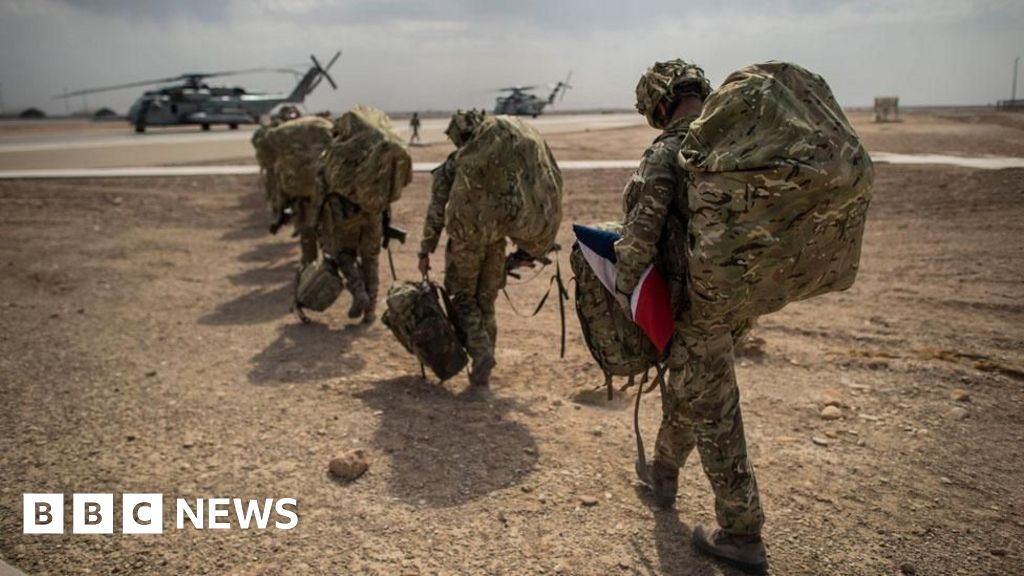
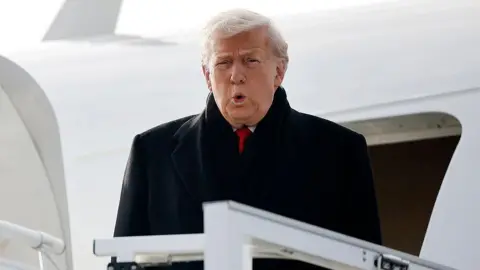
London, UK – A senior government minister has expressed profound disappointment with Donald Trump’s assertion that NATO troops in Afghanistan operated "a little off the front lines," directly contradicting the reality of the 20-year conflict. Health and Social Care Minister Stephen Kinnock stated that such claims are "disappointing" and "don’t really bear any resemblance to reality," emphasizing that the United Kingdom and its allies consistently stood "shoulder to shoulder with the United States," contributing significantly to US-led missions.
The former US President, speaking on Fox News, cast doubt on NATO’s commitment to the US, suggesting the alliance had "never really asked anything of them" and that their troop contributions in Afghanistan were peripheral. This characterization has ignited widespread condemnation from across the British political spectrum and has been vehemently rejected by those who served and those who lost loved ones in the conflict.
Labour MP Emily Thornberry, Chair of the Foreign Affairs Committee, did not mince words, labelling Trump’s remarks an "absolute insult" to the 457 British service personnel who made the ultimate sacrifice in Afghanistan. "How dare he say we weren’t on the front line, how dare he?" Thornberry demanded, highlighting Trump’s lack of personal military experience while holding the position of Commander-in-Chief. She further characterized Trump’s behavior as "bullying, rude, and deliberately trying to undermine us, which has been trying to undermine NATO."
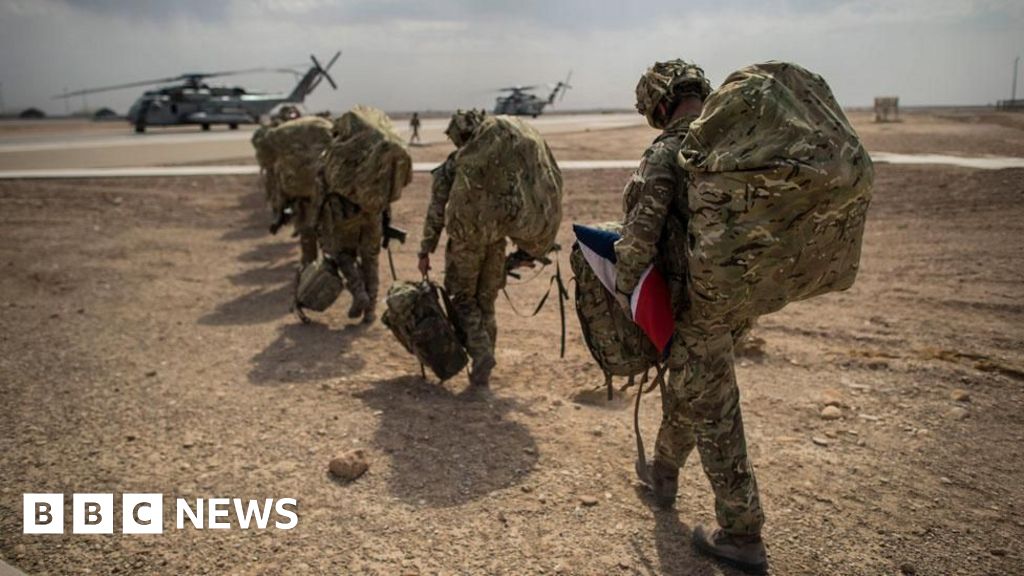
Liberal Democrat leader Sir Ed Davey echoed these sentiments, questioning, "How dare he question their sacrifice?" The gravity of these losses underscores the offensive nature of Trump’s dismissive comments. The United Kingdom was an integral part of the international coalition in Afghanistan, joining the US from 2001 following the 9/11 terrorist attacks, which triggered NATO’s collective security clause, Article 5 – a provision only the US has ever invoked.
Stephen Kinnock, speaking on BBC Breakfast, articulated the government’s stance, stating that Trump’s claims "doesn’t really add up." He paid a poignant tribute to the British troops, describing them as "the definition of patriotism, courage, dedication, [and] professionalism" who "put their lives on the line to defend our country." The minister also commended the "strong words" of Lucy Aldridge, whose son, 18-year-old William, was killed by a bomb blast in Afghanistan. Aldridge described Trump’s remarks as "extremely upsetting," stating, "We live the trauma daily for the rest of our lives because of the contribution that our loved ones made. And they were absolutely on the front line."
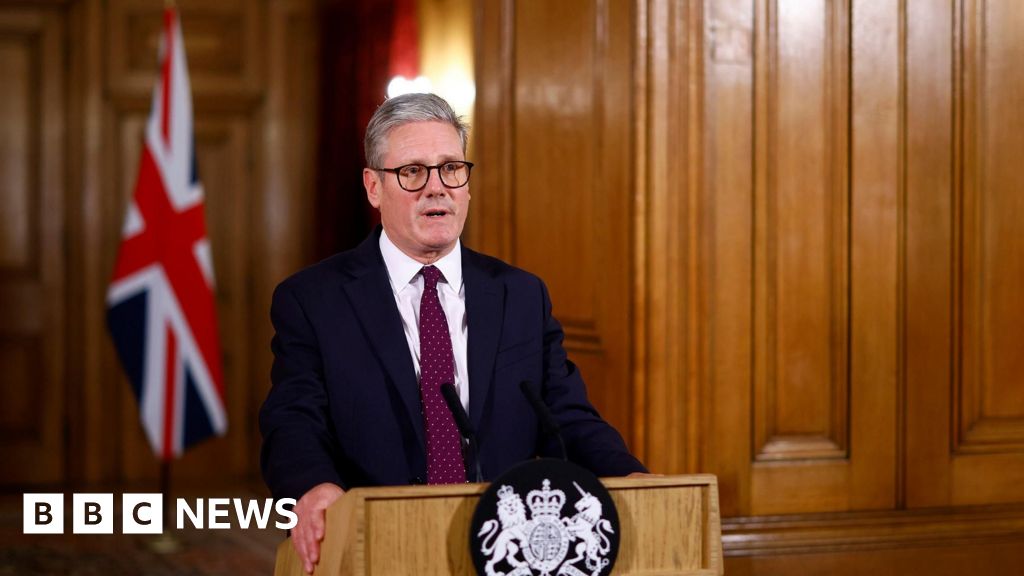
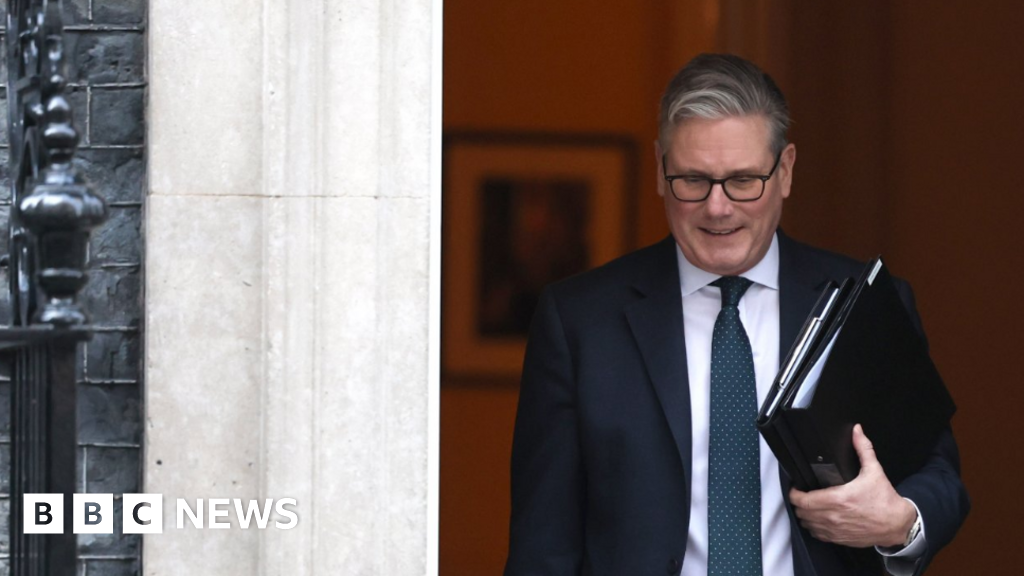
Prime Minister Sir Keir Starmer is expected to address Trump directly regarding his comments, with Kinnock assuring the public that Starmer "is incredibly proud of our armed forces, and he will make that clear to the president." This direct engagement signifies the seriousness with which the UK government views Trump’s disparagement of allied sacrifices.
The sentiment of deep disappointment was also voiced by Conservative MP Ben Obese-Jecty, who himself served in Afghanistan. He expressed his dismay at "our nation’s sacrifice, and that of our Nato partners, held so cheaply." Similarly, former Shadow Justice Secretary Robert Jenrick, now with Reform UK, deemed the comments "offensive and wrong."
On BBC’s Question Time, Conservative shadow cabinet member Stuart Andrew also condemned the remarks as "disgraceful" and "appalling." He emphasized the importance of acknowledging the sacrifices of those who served, many of whom returned with life-changing injuries, and the crucial role of the UK-US special relationship in global defense and security.
Beyond the UK, international allies have also pushed back against Trump’s narrative. Dutch foreign minister David van Weel unequivocally rejected the remarks as "false," asserting that "Europeans shed blood" in support of US troops in Afghanistan. He referenced NATO Secretary General Mark Rutte’s earlier rebuff of similar comments made by Trump at Davos. Van Weel stressed the need to "speak out for the truth," stating, "And if he repeated it, we need to repeat it again because that’s not how history went."
Calvin Bailey, a Labour MP and former RAF officer who served alongside US special operations units in Afghanistan, corroborated this sentiment. He stated that Trump’s claim bore "no resemblance to the reality experienced by those of us who served there." Bailey recalled a conversation with US Forces on July 4, 2008, emphasizing their shared belief in the "inalienable rights" of free people and their opposition to tyranny, a principle that underpinned the response to 9/11.
The Ministry of Defence, while not directly commenting on Trump’s recent remarks, pointed to earlier statements made by Defence Secretary John Healey during a visit to NATO ally Denmark. Healey had stated, "In Afghanistan, our forces trained together, they fought together, and on some occasions, they died together, making the ultimate sacrifice." This reiterates the UK’s consistent position on the shared commitment and sacrifice in the Afghan theatre.
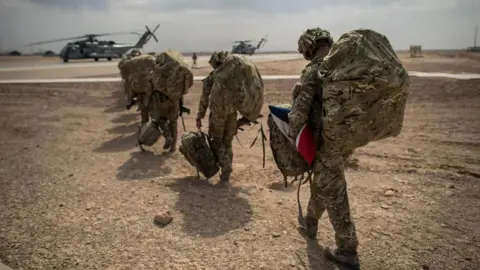
The US initiated the invasion of Afghanistan in October 2001 with the stated aim of dismantling al-Qaeda and removing the Taliban regime for harboring them. NATO nations subsequently contributed troops and military equipment to the US-led operation. By the time of the US withdrawal in 2021, over 3,500 coalition soldiers had lost their lives, with approximately two-thirds being American. The United Kingdom sustained the second-highest number of military fatalities in the conflict, with 2,461 British service personnel killed. These figures starkly contrast with Trump’s portrayal of NATO’s involvement and highlight the profound human cost of the war, a cost borne by all participating nations, not just the United States. The remarks have underscored the ongoing tension between the US’s perceived national interests and its commitment to collective security, particularly within the NATO alliance.



 Ramos Leo
 Nakalama John