
 Nana Banana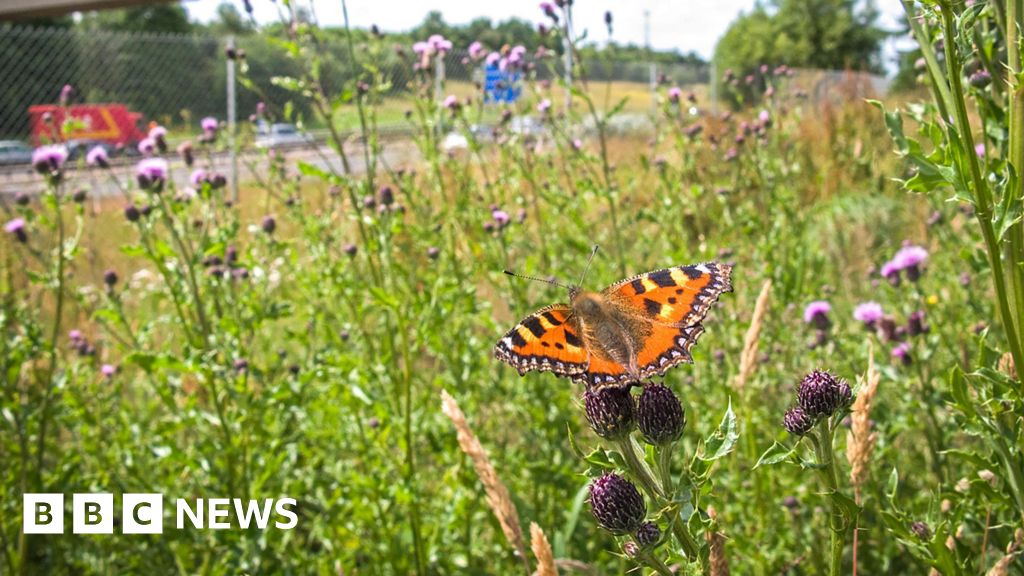
Since their inception in 2007, these meticulously compiled indicators have served as the definitive benchmark for tracking the UK’s progress against its commitments to biodiversity conservation, both domestically under the Environment Act and on the global stage, such as the post-2020 Global Biodiversity Framework. Each year, the report synthesizes vast amounts of data to present a holistic picture of nature’s status, highlighting areas of concern and, occasionally, modest successes. The 2025 report, therefore, represents a critical juncture, offering insights into whether conservation efforts are gaining traction or if further, more drastic interventions are required.
Scientists at the UK Centre for Ecology & Hydrology (UKCEH), based in Wallingford, Oxfordshire, have once again played a pivotal role in shaping the 2025 report. Their expertise in ecological modelling, long-term monitoring, and data synthesis is instrumental in transforming raw environmental observations into meaningful trends. Through rigorous analysis of complex datasets relating to animal and plant species populations, distribution, and habitat condition, UKCEH provides the robust scientific foundation upon which the indicators are built. Dr. Francesca Mancini, a distinguished ecological modeller at UKCEH, acknowledged the gravity of the findings, stating that while it was "not a completely positive picture," the indicators did reveal "some glimmers of hope." This nuanced perspective suggests that while overall trends remain concerning, targeted conservation efforts or a slowing of decline in certain areas might be emerging.
This year’s indicators have been officially published through a collaborative effort between the Joint Nature Conservation Committee (JNCC) and the Department for Environment, Food & Rural Affairs (Defra). The JNCC, acting as the statutory adviser to government on UK and international nature conservation, ensures the scientific integrity and national relevance of the report, while Defra oversees the policy implications and governmental response. The sheer scale of the data collection effort is remarkable, drawing information from approximately 100 different organisations. This vast network includes a diverse array of contributors: government agencies like Natural England and Scottish Natural Heritage, leading research institutes such as the British Trust for Ornithology (BTO) and the Royal Botanic Gardens, Kew, a multitude of voluntary groups like the Royal Society for the Protection of Birds (RSPB) and The Wildlife Trusts, and crucially, an expanding legion of citizen science schemes. These grassroots initiatives, such as the UK Butterfly Monitoring Scheme, are vital, harnessing the collective power of thousands of volunteers to gather invaluable ecological data across the length and breadth of the country.
"Most of the indicators tell us whether a group of species are improving, deteriorating or have had little or no change in the long term – that usually means from the beginning of monitoring until now or over the short term, which is usually the last five years," explained Dr. Mancini, shedding light on the methodology. This dual-perspective approach is essential for distinguishing between entrenched, historical declines and more recent shifts, allowing policymakers to identify both persistent problems and the potential impact of contemporary conservation interventions. Long-term trends often reflect systemic issues like habitat loss or climate change over decades, whereas short-term trends can highlight the immediate effects of specific policies, extreme weather events, or localized conservation projects. The data covers a broad spectrum of biodiversity metrics, including population abundance, species richness, distribution range, and habitat quality, providing a multi-faceted view of ecological health.
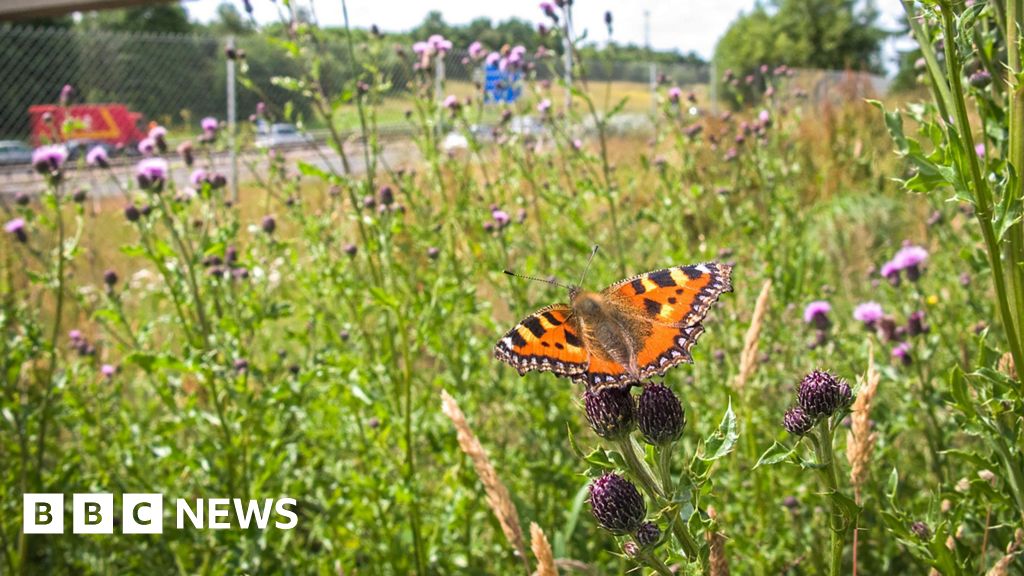
A particularly illustrative example comes from the research conducted by the UK Butterfly Monitoring Scheme, a key contributor to the overall indicators. Led by the Dorset-based charity Butterfly Conservation, their findings released in April painted a stark picture: 31 out of 59 monitored butterfly species have seen their numbers plummet since monitoring began in 1976. Butterflies are considered excellent bioindicators due to their sensitivity to environmental changes and their relatively easy observability, making their decline a red flag for broader ecosystem health. The causes are multifaceted, ranging from habitat fragmentation and loss due to intensive agriculture and urbanisation, to the pervasive use of pesticides, and the increasing impacts of climate change, which disrupt life cycles and migration patterns.
Dr. Mancini elaborated on the 2025 report’s findings, highlighting that "this year’s indicators had shown more long-term declines." This suggests that many of the pressures on UK biodiversity are not new but are deeply embedded issues requiring sustained, long-term commitment to overcome. However, she also pointed to the subtle shifts that offer a measure of hope: "some of those indicators that are declining in the long term are showing little change in the last five years and this suggests the declines may have started to halt." This observation, while not a full reversal, hints that perhaps the rate of decline is slowing for certain species or in specific habitats, potentially due to targeted conservation initiatives, increased public awareness, or the cumulative effect of various environmental policies. It’s a fragile optimism, but a crucial one for maintaining momentum in conservation efforts.
Beyond butterflies, the indicators encompass a vast array of species groups, many of which also show worrying trends. Farmland birds, for instance, have continued to experience significant declines, reflecting the intensification of agricultural practices and the loss of hedgerows, insect prey, and suitable nesting sites. Many pollinator species beyond butterflies, including wild bees and hoverflies, are also under threat, with implications for crop production and wider ecosystem function. Freshwater ecosystems, too, face ongoing pressures from pollution runoff and habitat modification, impacting fish populations and aquatic invertebrates. Even iconic species and habitats, such as ancient woodlands and peat bogs, continue to be vulnerable to human pressures, despite increased protection efforts.

Dr. Mancini underscored the indispensable role of the public in this monumental undertaking. "Without the thousands of volunteers who collected the data every year, the scientists would be ‘completely flying blind’," she stressed. This citizen science network is the backbone of many monitoring schemes, providing data at a scale that professional researchers alone could never achieve. It not only generates crucial scientific data but also fosters a deeper connection between people and nature, inspiring stewardship and advocacy.
The "glimmers of hope" mentioned by Dr. Mancini could stem from several factors. They might include successful species reintroduction programmes, the recovery of populations in specific protected areas, or the positive, albeit slow, impact of habitat restoration projects like wetland creation or wildflower meadow planting. The slowing of decline in certain long-term indicators might also reflect a growing public and political will to address biodiversity loss, leading to more strategic investment in conservation. These small victories, while not negating the overall negative picture, provide valuable lessons and motivation for scaling up effective interventions.
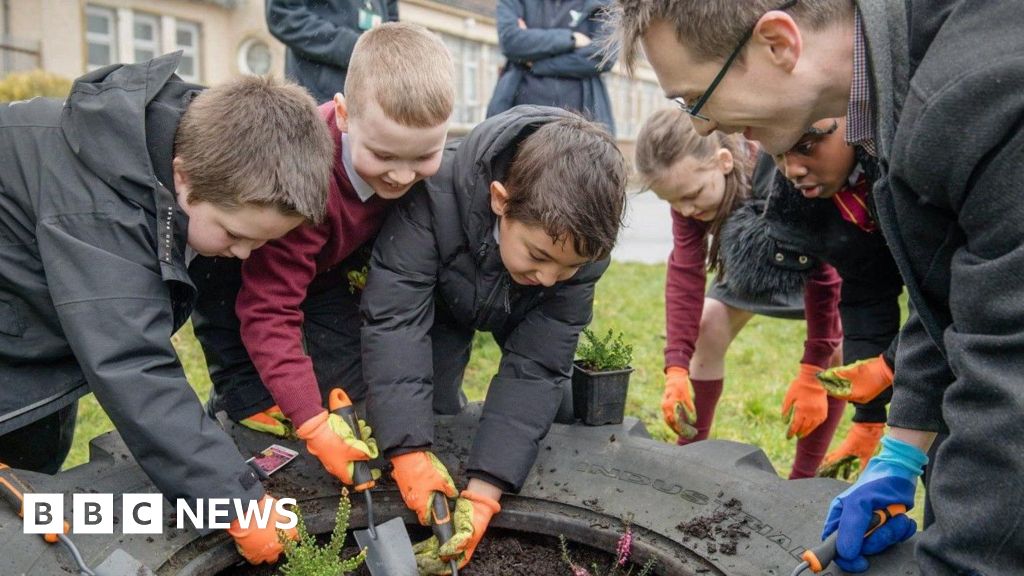
Dr. Mancini urged individuals to get involved in conservation research and action in numerous ways. "People could get involved in different ways such as pollinator monitoring in the spring, creating bug hotels or leaving water for birds in gardens," she suggested. Specific initiatives like the "BeeWalk" scheme encourage volunteers to survey bee populations along fixed routes, contributing vital data to understanding pollinator trends. For those without expansive gardens, "consider window boxes" filled with native, pollinator-friendly plants. Beyond individual plots, she highlighted the potential of "local community initiatives to transform sort of green spaces to be more wildlife friendly," such as rewilding urban parks, establishing community gardens, or planting street trees. These actions, collectively, can create vital ecological corridors and refuges, even in built-up areas.
The findings of the 2025 bioindicators serve as a crucial input for policy formulation. They inform the UK government’s progress towards its own ambitious targets set out in the Environment Act, which aims to halt the decline of species by 2030 and reverse it thereafter. They also guide the allocation of resources for conservation projects and shape international negotiating positions on global biodiversity agreements. Despite the concerning trends, the continued monitoring and transparent reporting offered by these indicators are essential for holding decision-makers accountable and for adapting conservation strategies to achieve a nature-positive future. The challenge is immense, requiring a sustained, concerted effort from government, scientists, businesses, and every individual to transform these "glimmers of hope" into a widespread, lasting recovery for UK biodiversity.


 Ramos Leo
 atisusanti
 Nakalama John
 George Anjay

 Roy Suryo