
 Ramos Leo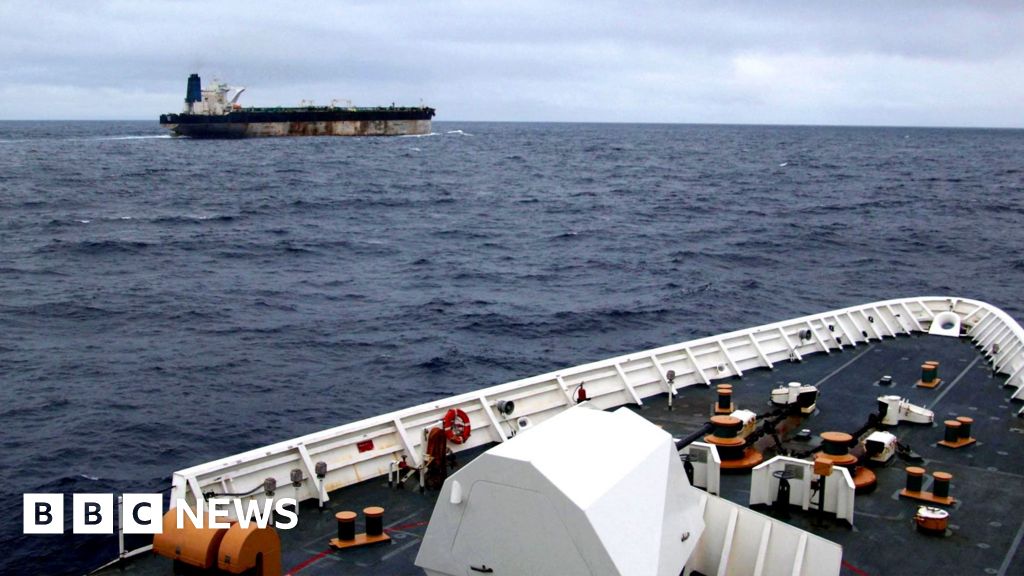
The UK government has identified a robust legal framework, derived from the Sanctions and Money Laundering Act 2018, which it believes grants its military the authority to board and detain vessels operating within so-called "shadow fleets." This understanding marks a significant escalation in Britain’s approach to countering illicit maritime activities, particularly those enabling hostile states like Russia, Iran, and Venezuela to circumvent international sanctions, primarily concerning oil exports. The revelation, confirmed by BBC News, signals a proactive shift from merely imposing sanctions to potentially enforcing them directly through military intervention.
Shadow fleets are clandestine networks of ships, often older and poorly maintained, that operate without legitimate national flags or proper insurance to conceal their ownership, origins, and destinations. These vessels are instrumental in facilitating the trade of sanctioned goods, predominantly oil, allowing pariah states to continue generating revenue despite international restrictions. Russia, in particular, has heavily relied on such fleets to export its oil following Western sanctions imposed after its full-scale invasion of Ukraine. Similarly, Iran and Venezuela have long used these illicit networks to bypass restrictions on their respective oil industries. The operation of these fleets poses severe global risks, ranging from environmental catastrophes due to uninsured and poorly maintained tankers, to the funding of conflict and the undermining of international maritime law and safety standards.
Last week, British armed forces played a crucial supporting role in a US-led operation that saw the seizure of the Marinera oil tanker. American officials explicitly accused the vessel of transporting oil on behalf of Venezuela, Russia, and Iran, thereby violating US sanctions. While no UK military personnel physically boarded the Marinera during that operation, the incident served as a catalyst for officials in Whitehall to intensify their exploration of potential domestic legal avenues that would empower British forces to undertake similar, or even more direct, interdiction actions independently. The involvement of RAF surveillance aircraft and the Royal Navy support ship RFA Tideforce in monitoring the Marinera between Iceland and Scotland underscored the UK’s commitment to disrupting these illicit operations, even before the full legal basis for direct intervention was cemented.
The Sanctions and Money Laundering Act 2018, initially designed to enable the UK to impose and enforce sanctions post-Brexit, is now interpreted by ministers as providing the necessary mandate for military force. Government sources indicate that the Act’s provisions, which allow for a broad range of measures to implement sanctions, can be extended to authorize the use of naval and air assets to interdict vessels. This interpretation signifies a substantial expansion of the Act’s application, moving beyond financial and trade restrictions to encompass physical enforcement on the high seas. While the precise clauses being leveraged remain undisclosed, the belief within government is that the Act provides a sufficiently robust legal foundation to justify such actions under international law, particularly when dealing with vessels that are deemed "flagless" or operating under flags of convenience that do not genuinely reflect their ownership or operations.
There are concrete plans for the armed forces to utilize these newly identified powers, marking what is being internally described within government circles as a significant "ramping up" of action against shadow fleet ships. This represents a proactive shift from a deterrent and intelligence-gathering posture to one of direct engagement and seizure. While the exact timing of the first independent UK military action remains undisclosed, the intent is clear. The move signals a robust commitment from London to disrupt the economic lifelines of states engaged in activities deemed hostile or destabilizing. The practical implications could be seen in areas like the English Channel, where two oil tankers reportedly subject to US sanctions were observed sailing eastward towards Russia just days ago. Such passages through strategically important maritime chokepoints could become potential targets for future UK interdiction efforts.
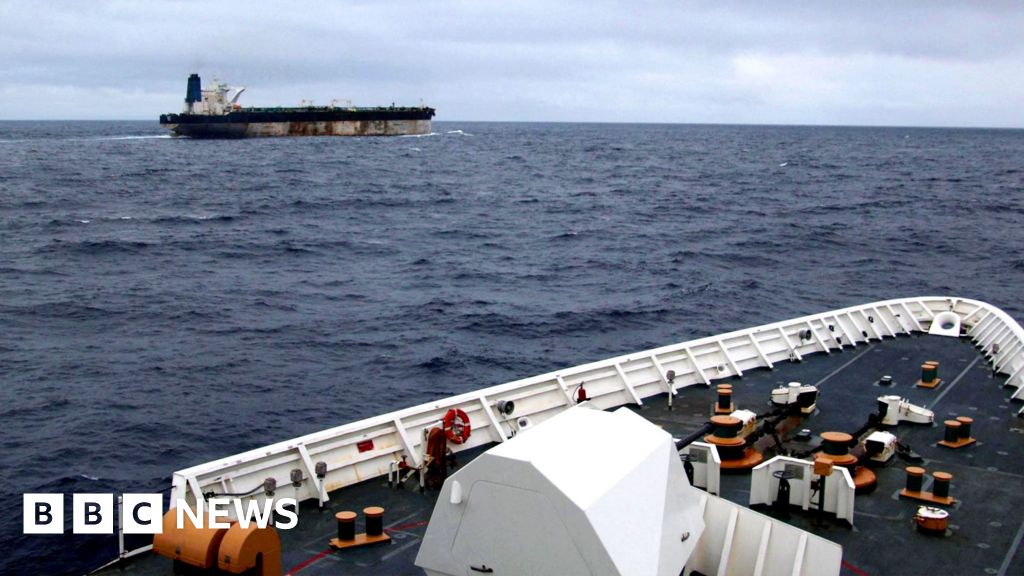
The UK has already taken substantial steps to counter the shadow fleet, having imposed sanctions on over 500 alleged shadow vessels and associated entities. These sanctions aim to cripple the operational capabilities of these illicit networks by cutting off access to financing, insurance, and port services. Ministers contend that these measures, alongside coordinated actions by allies, have already forced approximately 200 ships off the seas. Many of these vessels are believed to have been operating without a legitimate flag, a critical aspect of international maritime law. Ship flagging is the process by which a vessel is registered to a specific country, thereby granting it nationality and protection under that nation’s laws, as well as adherence to international maritime regulations concerning safety, labor, and environmental standards. Vessels in shadow fleets deliberately avoid legitimate flagging or engage in "flag hopping" to evade scrutiny, often registering with countries known for lax enforcement or operating entirely without a recognized flag, rendering them stateless and largely unregulated.
The government believes the new legal mechanism identified within the Sanctions and Money Laundering Act could be applied to any sanctioned vessel that lacks legitimate flagging. This broad interpretation suggests that the scope of potential UK military intervention extends beyond specific, high-profile targets to any vessel deemed complicit in sanctions evasion. Officials confirmed that this mechanism, had it been formally adopted earlier, would have provided the legal grounds for the UK to unilaterally intervene against the Marinera tanker, which was previously known as the Bella 1. This Venezuelan-linked ship was intercepted by the US Coast Guard in the North Atlantic, between Iceland and Scotland, a strategically significant maritime corridor.
During the Marinera operation, the Ministry of Defence confirmed that the US had requested UK assistance. This request saw RAF surveillance aircraft provide crucial intelligence and monitoring capabilities, while the Royal Navy’s support ship RFA Tideforce offered logistical and operational backing. Defence Secretary John Healey, addressing MPs, affirmed that the UK’s involvement in the Marinera operation was "in full compliance with international law," emphasizing that Britain "will not stand by as malign activity increases on the high seas." Healey further stated on Wednesday that the government was "stepping up action on the shadow fleet, developing further military options and strengthening co-ordination with allies." It is now understood that identifying this specific legal mechanism was one of the "further military options" to which Healey was referring, signaling a more assertive and interventionist posture from the UK. The United States has already demonstrated its increased resolve against shadow fleet vessels, having seized five tankers in recent weeks, setting a precedent for similar actions.
A Ministry of Defence spokesperson, while declining to comment on specific operational planning, reiterated the government’s strategic priority: "The defence secretary set out in parliament this week that deterring, disrupting and degrading the Russian shadow fleet is a priority for this government." This statement underscores the high-level commitment to confronting these illicit maritime operations.
Beyond direct military intervention, other government departments are also intensifying their efforts. Transport Secretary Heidi Alexander confirmed on Sunday that the UK is increasing the number of insurance checks on vessels sailing close to the British Isles. More than 600 ships have been stopped and inspected under these enhanced protocols. The lack of legitimate insurance is a hallmark of shadow fleet vessels, posing an enormous environmental and economic risk. Experts have repeatedly warned that an uninsured shadow tanker involved in an incident, such as a major oil spill, could lead to a catastrophic environmental disaster with no clear entity to bear the financial responsibility for clean-up and compensation. However, Alexander notably declined to disclose the exact number of alleged shadow vessels known to have sailed in UK waters, stating that providing such information would "only help one person and that is President Putin." This highlights the sensitive nature of intelligence gathering and the strategic imperative to maintain an operational advantage over adversaries.
The UK’s decision to arm itself with the legal means to directly interdict shadow fleet vessels represents a significant evolution in its strategy to combat sanctions evasion. It signals a move towards a more robust, enforcement-led approach, complementing existing financial and diplomatic pressures. This intensified stance is expected to put further pressure on hostile states relying on these illicit networks, while simultaneously reinforcing international maritime law and safety standards. The coming weeks and months will likely reveal the practical application of these new powers, potentially setting a new precedent for how Western nations collectively tackle the global challenge posed by the shadow fleet.


 Nakalama John
 atisusanti

 George Anjay