Ramos Leo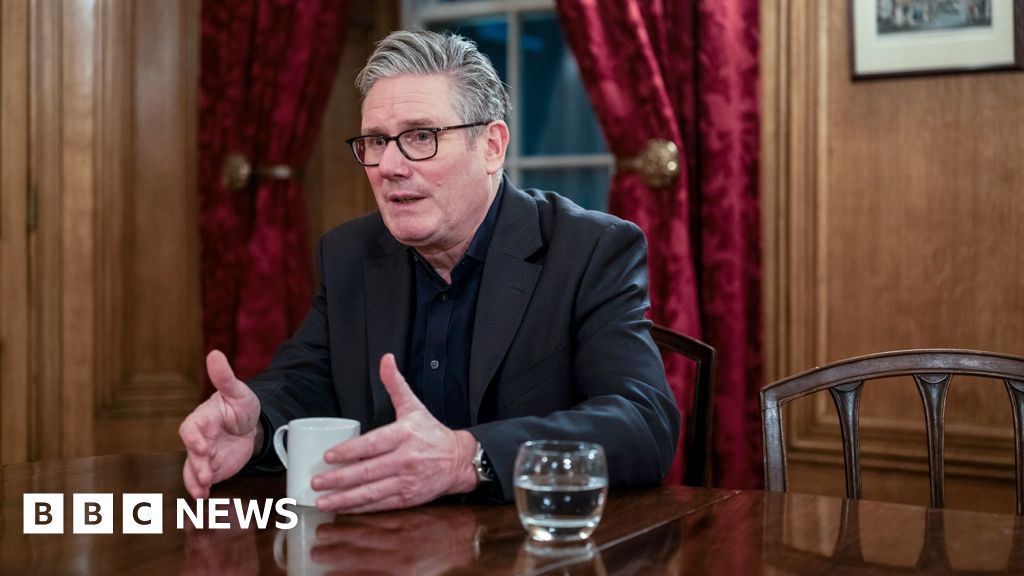
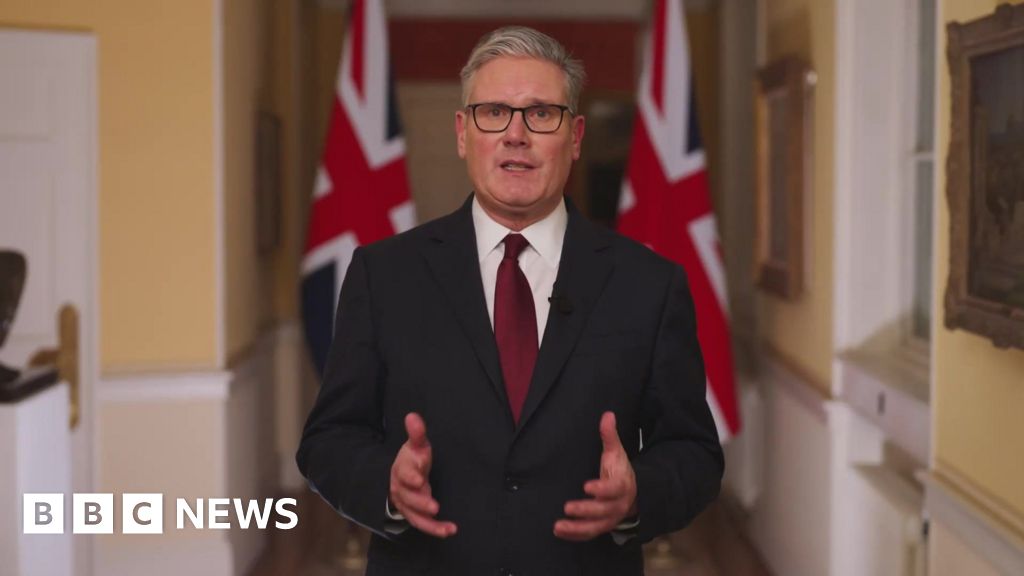
Sir Keir Starmer has emphatically stated that the UK cannot afford to overlook the substantial economic prospects presented by China, as he prepares to embark on a landmark visit to Beijing – a trip that will mark the first by a British prime minister in eight years. In a significant interview with Bloomberg News, Sir Keir underscored that his upcoming visit would unlock "significant opportunities" for British companies across various sectors. He firmly asserted that the UK would not be compelled to "choose between" China and its enduring close ties with the United States, even amidst escalating trade tensions and geopolitical rivalry between the two global superpowers in recent years. While committing to maintaining robust connections with the US on matters of business, security, and defence, he pragmatically added that "sticking your head in the sand and ignoring China… wouldn’t be sensible," articulating a nuanced approach to complex international relations.
The imminent delegation to China is expected to be substantial, with dozens of prominent UK business leaders accompanying the prime minister. This high-level visit represents a pivotal moment, being the first by a British leader since Theresa May’s trip in 2018. The itinerary is set to include crucial stops in both Beijing, the political capital, and Shanghai, China’s financial and commercial hub, signalling a comprehensive engagement. This diplomatic outreach unfolds against a backdrop of a particularly turbulent period in relations between the US and its traditional allies, particularly under the presidency of Donald Trump.
In recent weeks leading up to Starmer’s announcement, President Trump’s actions and rhetoric have created considerable diplomatic ripples. He notably threatened to impose punitive tariffs on allies who opposed his unconventional demand to acquire Greenland, a move that baffled and angered many European leaders. Later, he provoked a sharp backlash in the UK by suggesting that NATO troops had remained "a little back" from the front line in Afghanistan, a comment widely seen as disparaging to British and other allied forces. Further compounding these tensions, Trump also issued a threat to levy a crippling 100% tariff on Canadian goods if Canada dared to strike a trade deal with China, illustrating his aggressive stance on trade and his insistence on allies aligning with US strategic interests. These incidents collectively underscore the complex and often unpredictable nature of US foreign policy, placing the UK in a delicate position as it seeks to balance its alliances with its independent economic and strategic imperatives.
The timing of the trip also coincides with domestic developments concerning Anglo-Chinese relations. Days before the prime minister’s departure, the UK government approved contentious plans for a vast new Chinese embassy in London. This decision drew considerable criticism from opposition parties, local residents, and security experts who raised concerns about its scale and potential implications. In a reciprocal diplomatic gesture, the UK is currently awaiting approval from Chinese authorities for its own £100m plan to redevelop the British embassy in Beijing. The approval process for such high-profile diplomatic properties often becomes a subtle indicator of the state of bilateral relations, highlighting the intricate dance of reciprocity and influence. The new Chinese embassy, planned for the former Royal Mint site near the Tower of London, has been a flashpoint for debate, with critics arguing that its immense size and strategic location could pose security risks and that its approval sends a message of appeasement to Beijing despite ongoing human rights concerns. Conversely, proponents argue that facilitating diplomatic missions is a standard practice and essential for maintaining open channels of communication, even with complex partners.
In his interview with Bloomberg, Sir Keir directly addressed the pressure to align definitively with one superpower over another. "I’m often invited to simply choose between countries. I don’t do that," he stated, outlining a strategy of independent engagement. He reiterated the strength of the UK’s relationship with the US, affirming, "We’ve got very close relations with the US – of course, we want to – and we will maintain that business, alongside security and defence." However, he made it clear that this alliance does not preclude engagement with China. Regarding the business delegation accompanying him, Sir Keir emphasised their understanding of the opportunities presented by China. He stressed that this pursuit of economic benefits would "not mean compromising on national security – quite the opposite," suggesting that engagement could also involve robust discussions on security matters.
Sir Jeremy Hunt, who served as Foreign Secretary and visited China in 2018, acknowledged the pragmatism of Sir Keir’s decision to visit but offered a note of caution. Speaking on BBC Radio 4’s Today programme, Hunt underscored the importance of remaining "clear eyed" about China’s strategic goals, particularly its potential aim to "prize apart" the UK-US relationship. "There is a real diplomatic tightrope that Keir Starmer has to walk here," Hunt observed, highlighting the inherent challenges. He added, "There will be some benefits of course from more trade with China, but there’s also a huge amount of risk." This sentiment encapsulates the "de-risking" strategy many Western nations are attempting to adopt: seeking to reduce dependencies on China in critical supply chains and sensitive technologies, while still maintaining essential trade and diplomatic ties. The challenge lies in defining the boundaries of engagement without appearing to endorse problematic aspects of China’s domestic or foreign policies, or alienating key allies. The UK, post-Brexit, is particularly keen to forge new trade relationships, and China, as the world’s second-largest economy, represents an undeniable magnet for growth. However, this economic imperative must be balanced against concerns ranging from intellectual property theft and unfair trade practices to Beijing’s assertive posture in the South China Sea and its human rights record. Navigating this landscape requires sophisticated diplomacy and a clear articulation of national interests.
Crucially, Sir Keir suggested that he would not shy away from raising disagreements with Beijing on sensitive human rights issues. He specifically mentioned the fate of Jimmy Lai, the prominent Hong Kong pro-democracy media tycoon. Lai was found guilty of colluding with foreign forces in December under Hong Kong’s draconian National Security Law, a case that critics worldwide argue exemplifies how the law has been weaponised to silence political opposition and dismantle civil liberties in the city. Western governments, including the UK and the US, have consistently called for Lai’s release, pleas that Beijing and the Hong Kong authorities have resolutely rejected, asserting that his prosecution is a matter of internal sovereignty and legal due process. The ability of the UK delegation to effectively raise such concerns without jeopardising economic objectives or diplomatic channels will be a key measure of the trip’s success. Beyond Jimmy Lai, other human rights concerns, such as the treatment of Uyghurs in Xinjiang, the suppression of dissent in Tibet, and broader civil liberties within mainland China, are likely to loom large in the background, even if not explicitly discussed in public statements. The delicate balance between pursuing economic gain and upholding fundamental values forms the core of this "diplomatic tightrope" Sir Keir aims to walk, a challenge that will define the UK’s approach to China for years to come.


 George Anjay
 Nakalama John
 atisusanti