
 Ramos Leo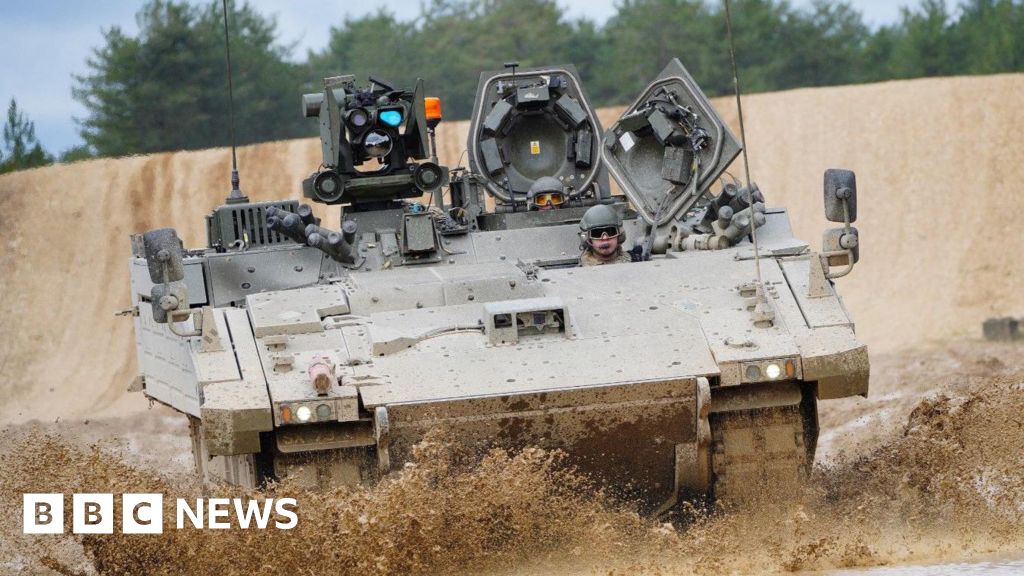
The United Kingdom is reportedly confronting a substantial £28 billion shortfall in its defence budget over the next four years, a critical revelation that challenges the nation’s ambition to achieve "war-fighting readiness." The government has conspicuously refused to deny these alarming reports, first detailed by The Times and The Sun, indicating a significant discrepancy between allocated funds and the Ministry of Defence’s (MoD) estimated requirements to modernize its armed forces and meet its strategic objectives. This potential funding gap casts a long shadow over the UK’s capacity to maintain its global standing and fulfill its commitments to allies amidst a volatile international landscape.
According to internal assessments conducted by MoD officials last year, an additional £28 billion is deemed necessary over the next four years to meet the forecast costs of transforming Britain’s military. This figure highlights the immense financial pressure involved in equipping the UK to respond effectively to contemporary global threats, from state aggression and hybrid warfare tactics to evolving cyber security challenges. The substantial sum represents a significant chasm between the aspiration to be a leading military power and the fiscal reality currently faced by the department.
Adding to the complexity, the MoD’s crucial investment plan – a comprehensive blueprint for future defence spending and capabilities – has been significantly delayed. Initially due for completion last autumn, its release is now anticipated no earlier than spring. This protracted delay creates considerable uncertainty for long-term planning, procurement processes, and the defence industrial base, particularly given reports that Sir Keir Starmer, the leader of the Labour Party, has reportedly ordered a rewrite of the proposals. Such a significant revision, if confirmed, underscores the political sensitivity surrounding defence spending as a general election approaches.
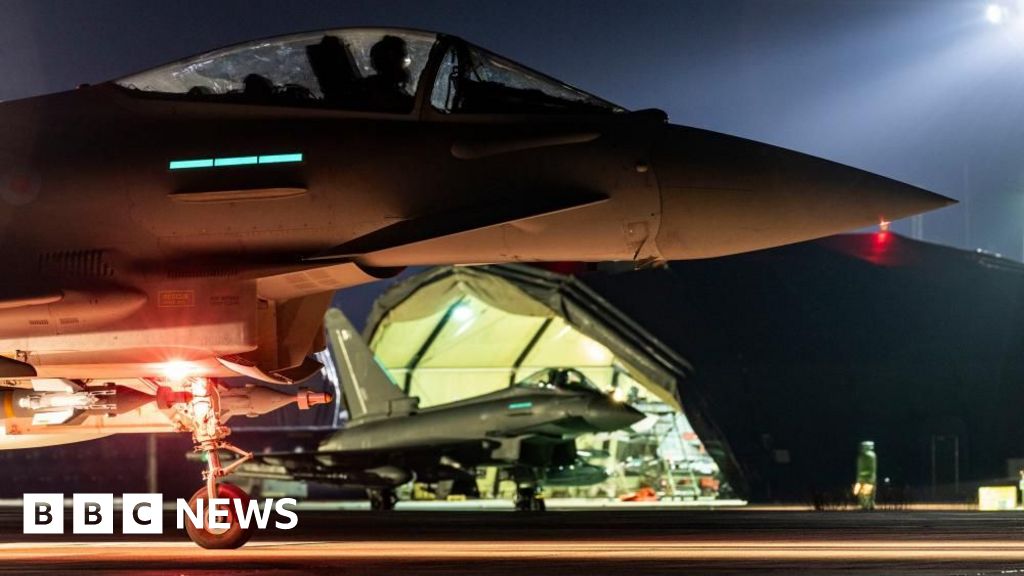
The investment plan is designed to meticulously outline how new equipment and vital defence infrastructure will be funded over the coming decade. It follows a wide-ranging review of Britain’s capabilities, the Integrated Review Refresh 2023 (IR23), published in June last year. That review had explicitly pledged billions in extra spending for critical areas such as increased ammunition stockpiles to address depleted reserves, next-generation fast jets like the F-35, advanced drone technology for surveillance and strike capabilities, and a new fleet of attack submarines to bolster naval power. These significant investments were all aimed at moving the UK towards "war-fighting readiness," a strategic imperative driven by heightened global tensions, particularly the ongoing conflict in Ukraine.
The gravity of the reported £28 billion shortfall was conveyed in a high-level meeting in Downing Street before Christmas. Sir Richard Knighton, the Chief of the Defence Staff – the professional head of the British Armed Forces and a key military adviser to the government – reportedly delivered this sobering financial forecast directly to Sir Keir Starmer and Shadow Chancellor Rachel Reeves. The direct involvement of such a senior military figure in briefing the opposition leadership underscores the seriousness of the situation and its cross-party implications. While the prime minister’s spokesman declined to discuss "specific meetings," he acknowledged the escalating demands on the armed forces, including a potential deployment to Ukraine to police any future peace deal aimed at ending its devastating war with Russia, a mission that would inevitably incur substantial logistical and financial burdens.
Despite repeated inquiries from journalists, the prime minister’s spokesman notably avoided directly denying the existence of a £28 billion spending gap. Instead, he chose to reiterate the government’s existing defence spending pledges. Under current departmental plans, which were fixed last year, the MoD’s budget is set to increase by 3.6% in real terms by 2029. This means that after accounting for inflation, the spending power of the defence budget is projected to grow. However, this increase is primarily directed towards the long-term investment budget for new military equipment and strategic projects, rather than the day-to-day operational costs covering personnel salaries, maintenance, and training, which are also under considerable pressure.
Labour, meanwhile, has outlined its own ambitious defence spending commitments, positioning national security as a key platform ahead of the next election. The party has pledged to raise overall defence spending from the current 2.3% of national income to 2.5% by 2027, an initiative estimated to cost an additional £6 billion per year. Furthermore, Labour has committed to increasing this figure to 3.5% by 2035, aligning with a pledge made by NATO countries at a recent summit to boost collective defence capabilities. This reflects a growing cross-party recognition of the need for increased defence investment in response to the volatile global security environment, particularly the resurgence of great power competition and the ongoing war in Eastern Europe, which has highlighted vulnerabilities in military readiness across the continent.
Concerns about the MoD’s financial capacity are not new; indeed, warnings about the department’s ability to fund its spending commitments have been a recurring theme for years. The current investment plan replaces a system of decade-long "equipment plans" that were halted in 2022 due to the disruptive impact of "extraordinary inflation" on project costs and timelines. In December 2023, an analysis conducted under the previous government revealed that the MoD’s most recent equipment plan was already forecast to exceed its budget by a staggering £16.9 billion. A subsequent report published by Members of Parliament the following year further elucidated the primary drivers of this substantial shortfall. The largest portion was attributed to the spiralling costs associated with maintaining and upgrading the UK’s nuclear weapons system, Trident, alongside the pervasive effects of high inflation rates on complex procurement contracts and project delivery timelines. The immense and long-term costs of sustaining a continuous at-sea nuclear deterrent, including the development of successor submarines, consistently consume a significant portion of the defence budget.
Further compounding the financial picture, the delay in the overarching investment plan has also postponed the release of a separate, yet equally critical, document. This document is expected to detail yet-to-be-specified "productivity savings" within the department, projected to be worth £6 billion between now and 2029. Such savings typically involve efficiency drives, streamlining administrative processes, divesting non-essential assets, and optimizing resource allocation across the department. The delay in identifying and implementing these crucial efficiencies means that potential cost reductions remain untapped, adding further pressure to an already strained budget and potentially impacting operational capacity if cuts are eventually made without proper planning.
An MoD spokesperson, in a statement addressing the current situation, affirmed that the department is working "flat out" to complete the investment plan. They also took the opportunity to assert that Labour had "inherited an underfunded defence programme" from the previous administration, a clear political jab highlighting the contentious nature of defence funding across party lines. This political rhetoric underscores the immense challenge facing any incoming government, regardless of party affiliation, in reconciling ambitious defence goals with fiscal realities.
The current geopolitical climate, marked by the ongoing war in Ukraine, heightened tensions in the Indo-Pacific region, the persistent threat of international terrorism, and the ever-evolving landscape of cyber warfare, makes the need for a robust and well-funded defence imperative. The UK’s commitment to NATO, a cornerstone of its foreign and security policy, relies on its ability to maintain credible military capabilities that can contribute effectively to collective defence and deterrence. A significant funding gap risks undermining these commitments, delaying crucial equipment upgrades, impacting recruitment and training efforts, and potentially diminishing the UK’s standing among allies and its ability to project influence on the global stage.
In conclusion, the alleged £28 billion defence spending gap presents a formidable and multi-faceted challenge for the United Kingdom. It highlights a critical disconnect between the nation’s strategic defence ambitions, articulated in the "war-fighting readiness" objective and the Integrated Review Refresh, and the financial resources currently available. Both the incumbent government and the opposition face the urgent task of addressing this funding crisis with transparency and decisive action to ensure that the UK’s armed forces are adequately equipped and funded to protect national interests and fulfill international obligations in an increasingly dangerous and unpredictable world. The political will to bridge this gap will ultimately define the future trajectory of British defence and its role in global security.


 atisusanti
 Nakalama John
 George Anjay
 Roy Suryo