 Nakalama John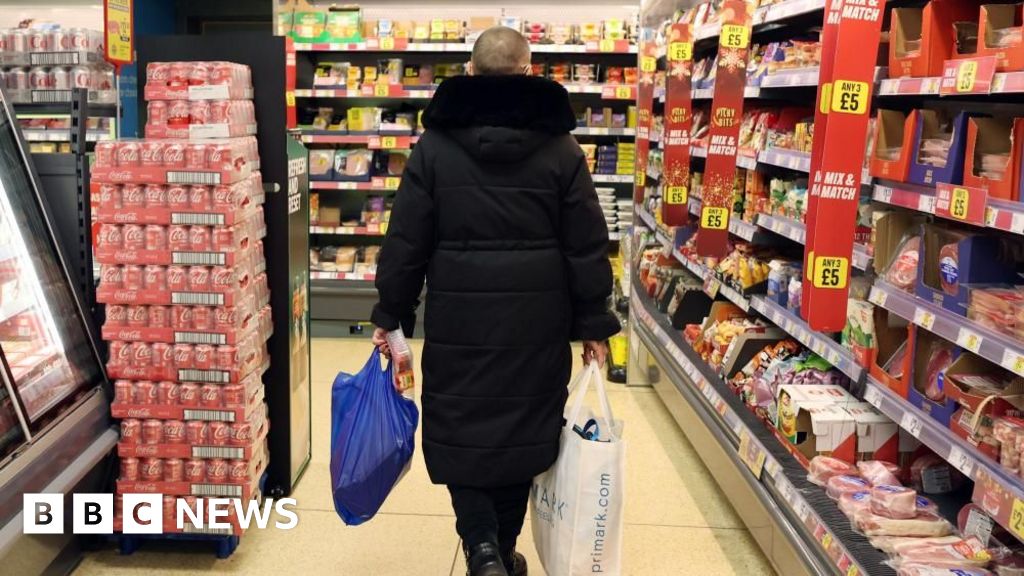
The surge in tobacco prices was a direct consequence of an increase in tobacco duty introduced by the government in late November. Such fiscal measures, often implemented with a dual aim of generating revenue and discouraging consumption for public health reasons, have an immediate and tangible impact on the CPI basket. For consumers, this translates into higher costs for cigarettes and other tobacco products, contributing directly to the overall inflation rate. These duty hikes are a recurring feature of fiscal policy, and their timing can significantly influence monthly inflation readings, particularly when they coincide with other price pressures. The consistent upward trend in tobacco pricing underscores a long-term government strategy to make smoking less affordable, which, while beneficial for public health, invariably contributes to headline inflation figures.
Airfares also played a substantial role in pushing inflation higher. The ONS attributed this to the timing of return flights over the busy Christmas and New Year period. Specifically, the data collection for December’s figures captured flight prices on December 23rd and 30th this year, whereas the previous December’s figures were recorded on Christmas Eve and New Year’s Eve. This subtle shift in survey dates meant that a larger proportion of higher-priced, peak-season return flights were included in the latest assessment, leading to a more pronounced increase compared to the previous year. Airlines typically employ dynamic pricing strategies, with fares escalating significantly during periods of high demand, such as public holidays and school breaks. The post-pandemic travel surge, coupled with capacity constraints and elevated operational costs for carriers (including fuel and staffing), has further amplified these seasonal price fluctuations, making air travel a notable contributor to inflationary pressures.
Beyond tobacco and transport, rising food costs continued to exert upward pressure on the CPI. Grant Fitzner, the ONS chief economist, highlighted that "rising food costs, particularly for bread and cereals, were also an upward driver." This reflects ongoing challenges within global food supply chains, the impact of energy prices on agricultural production and processing, and geopolitical events that can disrupt commodity markets. While the rate of food inflation has generally been decelerating from its peak, categories like staple grains and baked goods remain susceptible to cost increases, directly impacting household budgets. The price of essential items like bread, breakfast cereals, and various types of fresh vegetables saw notable increases in the year to December, contributing to the broader inflationary picture.
However, these upward pressures were partially mitigated by other factors within the economy. Fitzner noted that a "fall in rents inflation and lower prices for a range of recreational and cultural purchases" helped to offset some of the increases. The housing market has shown signs of cooling in some areas, influencing rental price growth, while competitive pricing and seasonal discounts within the recreational and cultural sectors (such as entertainment, books, and electronics) provided some relief to consumers. These offsetting movements demonstrate the complex interplay of various sectors within the economy, where different forces can push and pull the overall inflation rate in opposing directions.
This latest inflation report holds significant weight as it is the final set of monthly figures released before the Bank of England’s Monetary Policy Committee (MPC) convenes in February to decide on interest rates. The Bank’s primary mandate is to maintain price stability, targeting an inflation rate of 2%. With inflation currently at 3.4%, and having shown an unexpected increase, the MPC will be scrutinising these figures closely. While the Bank has held interest rates steady in recent meetings, indicating a belief that inflation is on a downward trajectory, this latest data point could add a layer of complexity to their deliberations. Higher-than-expected inflation could strengthen arguments for maintaining a restrictive monetary policy stance for longer, impacting borrowing costs for mortgages and other loans across the UK economy.
The political response to the figures was swift and sharply divided. Chancellor Rachel Reeves reiterated the government’s priority of cutting the cost of living for ordinary Britons. She pointed to measures introduced in the November Budget, including a freeze to rail fares and prescription charges, as evidence of the government’s commitment. Reeves stated, "Money off bills and into the pockets of working people is my choice. There’s more to do, but this is the year that Britain turns a corner." Her comments reflect an attempt to project optimism and highlight targeted interventions aimed at alleviating financial pressures on households, positioning the government as actively working to improve economic conditions for families and individuals across the nation.
Conversely, Shadow Chancellor Mel Stride laid the blame squarely on what he termed the government’s "economic mismanagement." He argued that "A record-high tax burden and irresponsible borrowing are stifling growth and fuelling inflation – leaving working people worse off." Stride’s critique underscores the opposition’s narrative that the government’s fiscal policies are exacerbating economic challenges rather than resolving them. This political sparring highlights the sensitivity surrounding economic performance, particularly inflation, which directly impacts the daily lives and financial stability of voters, making it a central battleground in political discourse. The debate often revolves around the balance between public spending, taxation, and their combined effects on economic growth and price stability.
Understanding the Consumer Prices Index (CPI) is crucial for interpreting these figures. The CPI is the UK’s primary measure of inflation and represents the average change over time in the prices paid by urban consumers for a virtual basket of hundreds of everyday goods and services. This basket, carefully selected and tracked by the ONS, includes a diverse array of items such as bread, fruit, furniture, clothing, and various services. The ONS meticulously monitors the prices of these items over a 12-month period to calculate the annual inflation rate. The composition of the basket is regularly updated to reflect evolving shopping trends and consumer habits, ensuring it remains representative of typical household expenditure. While CPI is the headline measure, other indices, such as the Retail Prices Index (RPI), also exist, offering slightly different perspectives due to variations in their methodologies and the types of goods and services they include. The CPI is generally preferred for international comparisons and by the Bank of England for its inflation target due to its broader coverage and adherence to international standards.
Looking specifically at the components, transport prices collectively rose by 4% in the 12 months to December. Within this category, airfares were identified as the single largest upward driver, demonstrating a significantly larger increase compared to the previous December. As previously mentioned, this was partly attributed to the timing of data collection, which captured higher holiday period prices more acutely. Meanwhile, the food and non-alcoholic drinks sector saw a 4.5% rise in prices over the year to December. This increase was particularly influenced by the rising costs of bread and cereals, alongside certain vegetables, which collectively pushed the overall change in this crucial household spending category upwards, continuing to squeeze household budgets despite a general slowdown in food price growth from its 2023 peaks.
When compared to its European neighbours, the UK’s December inflation rate stood out as higher. Germany reported an inflation rate of 2% in the year to December, while France recorded an even lower rate of 0.7%. This divergence highlights different economic dynamics and policy responses across the continent. It has now been a full year since UK inflation was below that of Germany’s, underscoring a persistent challenge for the British economy. Factors contributing to these differences can include varying energy price cap policies, the structure of national economies, differing labour market conditions, and the timing of inflationary peaks and subsequent declines. The UK’s relatively higher inflation rate can have implications for its international competitiveness, trade balances, and the perceived stability of its economic environment, making these international comparisons a significant benchmark for economic policymakers.
Looking ahead, economists will be closely watching for signs of sustained disinflation, hoping that the December uptick is an anomaly rather than the start of a new trend. The Bank of England’s forecasts suggest inflation will continue its descent towards the 2% target, potentially reaching it in the latter half of 2024. However, risks remain, including potential geopolitical shocks, further volatility in global energy or commodity markets, and the impact of domestic wage growth. The path to sustained price stability is rarely linear, and the latest ONS figures serve as a timely reminder of the complex and often unpredictable forces that shape the cost of living for millions across the UK.


 Ramos Leo
 George Anjay