Roy Suryo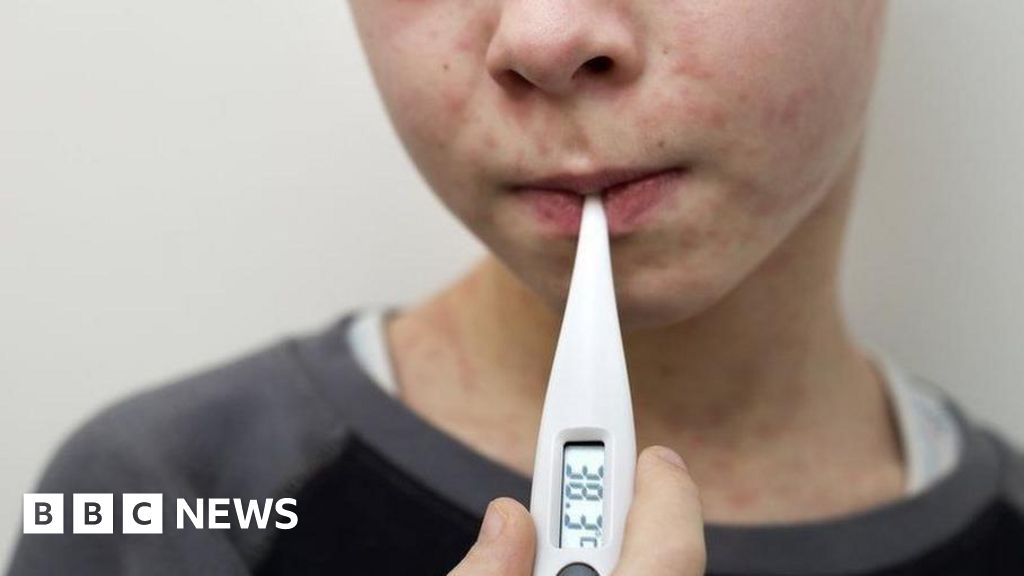
The United Kingdom has officially lost its measles elimination status, a significant public health setback announced by the World Health Organization (WHO). This designation signifies the return of sustained measles transmission within the country, a stark reversal from the progress previously achieved. The decision was largely anticipated, following a substantial surge in reported cases throughout 2024, with an alarming 3,600 suspected cases documented. This figure dwarfs the more than 1,000 cases recorded in the preceding year, 2023, underscoring the accelerating spread of the highly contagious viral illness. The WHO’s assessment is also a direct reflection of concerning trends in routine childhood vaccination rates, which have fallen below the critical 95% threshold necessary to achieve and maintain herd immunity. Herd immunity is a vital protective shield where a sufficiently high proportion of a population is immune to a disease, thereby making it extremely difficult for the pathogen to circulate and infect susceptible individuals.
The UK had previously achieved a significant milestone by being declared measles-free in 2017, a testament to decades of successful vaccination efforts. However, this hard-won status was regrettably lost just two years later, in 2019, due to a resurgence in cases. The country managed to regain its elimination status in 2021, a period where the spread of measles was brought to an almost complete halt. It is crucial to note, however, that this success was largely attributed to the widespread social distancing measures implemented during the COVID-19 pandemic, which inadvertently curbed the transmission of many infectious diseases, including measles. As pandemic-related restrictions eased and social behaviors returned to pre-pandemic norms, the virus began to find fertile ground once again. The outbreaks that emerged in late 2023 marked a turning point, signaling the re-establishment of sustained transmission and leading directly to the dramatic increase in cases observed throughout 2024.
Digging deeper into the vaccination data reveals the core of the problem. By the end of 2024, vaccination uptake for the first dose of the measles, mumps, and rubella (MMR) vaccine stood at a concerning 92%. While this figure might appear high in isolation, it falls short of the 95% target. More alarmingly, uptake for the second dose of the MMR vaccine, which is essential for lifelong immunity, was just below 85%. This significant gap in second-dose coverage leaves a substantial portion of the child population vulnerable to infection. Measles is an extremely contagious airborne disease caused by a virus. It spreads easily through coughing and sneezing. Before the introduction of the measles vaccine, nearly all children got measles by the time they were 15 years old. Measles can cause serious complications, including pneumonia, encephalitis (swelling of the brain), and even death, particularly in young children and individuals with weakened immune systems. The highly infectious nature of the virus means that even a small dip in vaccination rates can have profound consequences, allowing for rapid transmission and the potential for widespread outbreaks.
Dr. Vanessa Saliba, a consultant epidemiologist at the UK Health Security Agency (UKHSA), emphasized the direct correlation between falling childhood vaccine uptake and the return of measles infections. "Infections can return quickly when childhood vaccine uptake falls," she stated, highlighting the fragility of elimination status. "Measles elimination is only possible if all eligible children receive two MMRV doses before school." The MMRV vaccine is a combination vaccine that protects against measles, mumps, rubella, and varicella (chickenpox). The recommendation for two doses is based on scientific evidence demonstrating that this schedule provides robust and long-lasting immunity. The first dose is typically administered around 12-15 months of age, and the second dose is given between 4-6 years of age, often before a child starts school. Falling short of this two-dose regimen leaves children susceptible to contracting the virus.
In response to this critical public health challenge, the National Health Service (NHS) is actively implementing strategies to improve vaccination accessibility and encourage higher uptake. Dr. Saliba further explained, "The NHS is making vaccination easier, including offering the second MMRV dose earlier at a new 18-month appointment to boost uptake and support elimination goals." This proactive measure aims to address the shortfall in second-dose coverage by administering it earlier in a child’s development, potentially increasing the likelihood of completion. Furthermore, recognizing that a generation of children and young adults may have missed their vaccinations, the NHS is also offering catch-up jabs. This crucial initiative allows older children and adults who may not have received the full course of the MMR vaccine in childhood to get vaccinated now. This is vital for building broader community immunity and protecting those who are most vulnerable. The availability of catch-up programs is a key component in the strategy to regain measles elimination status.
The loss of measles elimination status serves as a stark warning about the importance of maintaining high vaccination rates. It underscores that progress in public health is not irreversible and requires continuous vigilance and effort. The resurgence of measles in the UK is not an isolated incident; similar challenges have been observed in other countries that have experienced a decline in vaccine coverage. Factors contributing to declining vaccination rates are multifaceted and can include a range of issues, from vaccine hesitancy and misinformation to disruptions in healthcare services and access barriers. Addressing these underlying causes is paramount to successfully re-establishing and maintaining measles elimination in the future. The scientific community and public health organizations globally continue to advocate for robust vaccination programs, emphasizing that vaccines are one of the most effective tools available to prevent infectious diseases and protect public health. The journey to re-achieve measles elimination will require a concerted effort from healthcare providers, parents, and policymakers to ensure that every eligible child receives the full course of the MMR vaccine. The goal is not just to regain a status, but to safeguard the health and well-being of the population from a preventable and potentially devastating disease.


 Ramos Leo
 Nakalama John
 George Anjay