Nana Banana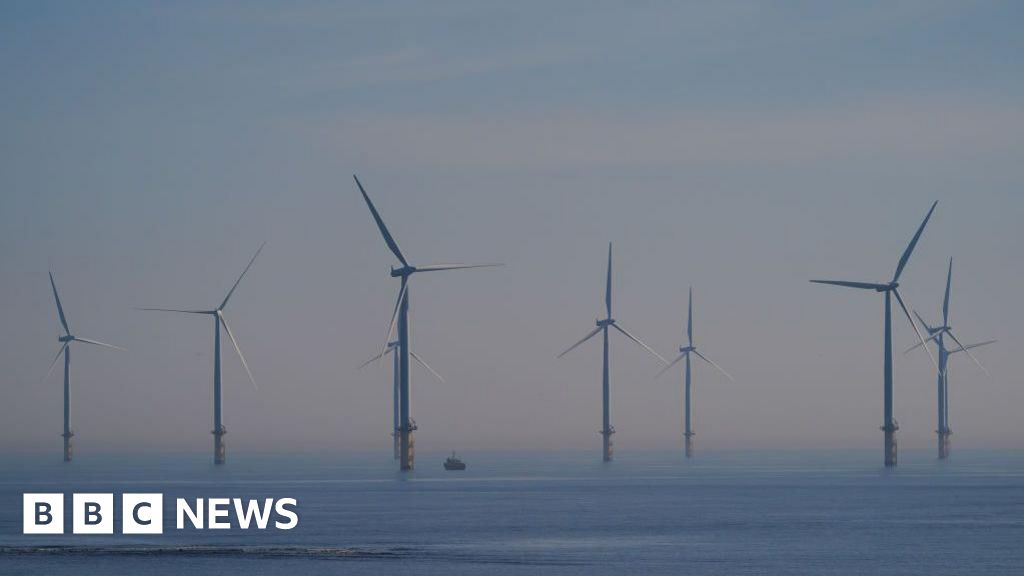
The United Kingdom has achieved a significant milestone in its ambitious drive towards clean energy, awarding contracts for a record volume of offshore wind projects. These new developments, spanning England, Scotland, and Wales, are pivotal to the nation’s strategy to expand its renewable electricity sources and solidify its position as a global leader in offshore wind generation. Despite the success in securing unprecedented capacity, the latest auction round reveals a notable increase in the strike price for new projects, reflecting inflationary pressures across the global supply chain and posing new challenges for the government’s energy targets.
Among the standout projects is Berwick Bank, located in the North Sea off the coast of Scotland. Set to be developed by SSE Renewables, this monumental undertaking is envisioned as potentially the world’s largest offshore wind farm, with an anticipated capacity that underscores the sheer scale of the UK’s renewable ambitions. Beyond Berwick Bank, other crucial projects secured contracts, including the Dogger Bank South wind farm off the coast of Yorkshire, and the Norfolk Vanguard project situated off the coast of East Anglia. Notably, Awel Y Môr marked a significant return for Wales, being the first successful Welsh offshore wind project awarded a contract in over a decade, highlighting a renewed focus on leveraging regional resources.
The government’s overarching goal is to ensure at least 95% of Great Britain’s electricity comes from "clean" sources by 2030. This target is not merely an environmental imperative to reduce planet-warming emissions from fossil fuels but also a strategic move towards enhancing energy security and reducing reliance on volatile international energy markets. Clean sources encompass a diverse portfolio, including renewables such as solar and wind power, alongside nuclear energy. Offshore wind, given the UK’s extensive and wind-rich coastlines, is widely acknowledged as the foundational pillar of the country’s future clean electricity system. The vast potential of the North Sea, Irish Sea, and Celtic Sea offers an unparalleled resource for sustainable power generation.
To meet its clean power target, the government has set an ambitious goal of deploying at least 43 gigawatts (GW) of offshore wind capacity by 2030. This represents a substantial leap from the UK’s current operational offshore wind capacity, which stands at 16.6 GW. A further 11.7 GW is currently under construction, indicating a robust pipeline of development. However, the lengthy timelines involved in building and connecting large-scale offshore wind farms to the national grid mean that each auction round is critically important for maintaining momentum towards the 2030 target. Analysts have underscored the importance of this latest auction, with the 8.4 GW secured just about keeping the 43 GW offshore wind target within reach. Yet, the formidable challenge of bringing all these projects online and ensuring their seamless integration into the grid by 2030 remains a significant concern. Nick Civetta, a project leader at the Aurora Energy Research think tank, articulated this challenge clearly, stating that "getting that amount of capacity online by 2030 [will be] extremely challenging." The complexities extend beyond construction to include securing necessary grid infrastructure upgrades and navigating planning consents for both offshore and onshore connections.
The offshore wind industry, like many capital-intensive sectors globally, has faced considerable headwinds from rising costs over the past few years. These inflationary pressures are multifaceted, stemming from global supply chain disruptions exacerbated by the pandemic, a surge in commodity prices such as steel, and the broader economic impact of high interest rates, partly a consequence of the Russia-Ukraine war. These factors have driven up the cost of everything from turbine components and foundations to specialized installation vessels and cabling. This challenging economic climate led to significant setbacks, exemplified by energy company Orsted’s decision last year to discontinue one of the country’s biggest planned wind projects, Hornsea 3 (the original text mentions Hornsea 4, but Orsted publicly announced discontinuation of Hornsea 3), despite it having previously been awarded a contract. Orsted cited the prohibitive costs and lack of sufficient government support as reasons for its withdrawal, sending ripples through the industry and highlighting the precarious balance between ambition and economic viability.
In this latest auction, offshore wind projects have been awarded an average fixed price of £91 per megawatt-hour (MWh) of electricity generated, expressed in 2024 prices. While this figure represents a considerable reduction from the initial auction in 2015, it marks an increase from the £82/MWh awarded at the last auction for new-build projects in 2024 (also in 2024 prices). This upward trend underscores the growing cost pressures on developers.
The government, while acknowledging the rising cost of offshore wind, vigorously defends its investment by comparing it to the projected costs of new gas power plants. Official figures suggest that building and fuelling new gas plants would incur a cost of approximately £147/MWh, a figure that includes a carbon price – a charge levied on carbon emissions to internalize the environmental cost of fossil fuels. This comparison forms the core of the government’s argument that, despite the recent price increase, offshore wind remains a more economically sound and environmentally responsible investment in the long term, offering greater price stability and insulating consumers from the volatility of international gas markets.
Energy Secretary Ed Miliband lauded the results, stating, "With these results, Britain is taking back control of our energy sovereignty. This is a historic win for those who want Britain to stand on our own two feet, controlling our own energy rather than depending on markets controlled by petrostates and dictators." His comments emphasize the strategic imperative of energy independence, framing the expansion of domestic renewable energy as a bulwark against geopolitical instability and price manipulation.
The political landscape surrounding offshore wind and net-zero targets remains complex. While the government celebrates the capacity secured, the Conservative party has previously expressed concerns that the government risks locking in high offshore wind prices for decades, potentially impacting household bills. Reform UK has consistently attacked the cost of net zero policies, arguing they impose an undue burden on the economy. In contrast, the Liberal Democrats and the Green Party are staunch supporters of expanding renewable energy, viewing it as essential for tackling climate change, fostering green jobs, and driving economic growth. The Scottish National Party (SNP) and Plaid Cymru, while also supporting the growth of offshore wind, advocate for greater devolved control over Scotland’s and Wales’ energy resources, arguing that local governance would better serve national interests and ensure equitable benefits from these projects.
In conclusion, the UK’s latest offshore wind auction represents a monumental step forward in its pursuit of clean energy dominance, securing a record supply of renewable power. The projects awarded contracts, particularly the ambitious Berwick Bank, solidify the UK’s position at the forefront of global offshore wind development. However, this progress is not without its complexities. The rise in project costs, driven by global economic pressures, poses a significant challenge, requiring careful navigation between ambitious climate targets and economic realities. The task of integrating this vast new capacity into the national grid by 2030 remains an "extremely challenging" endeavor, demanding concerted efforts in infrastructure development and strategic planning. While the political consensus on the necessity of offshore wind is broad, the debate over its cost and implementation continues to shape the UK’s energy future. The record supply, coupled with rising prices, encapsulates the dual nature of this critical phase in the UK’s energy transition: immense potential alongside formidable hurdles.




 George Anjay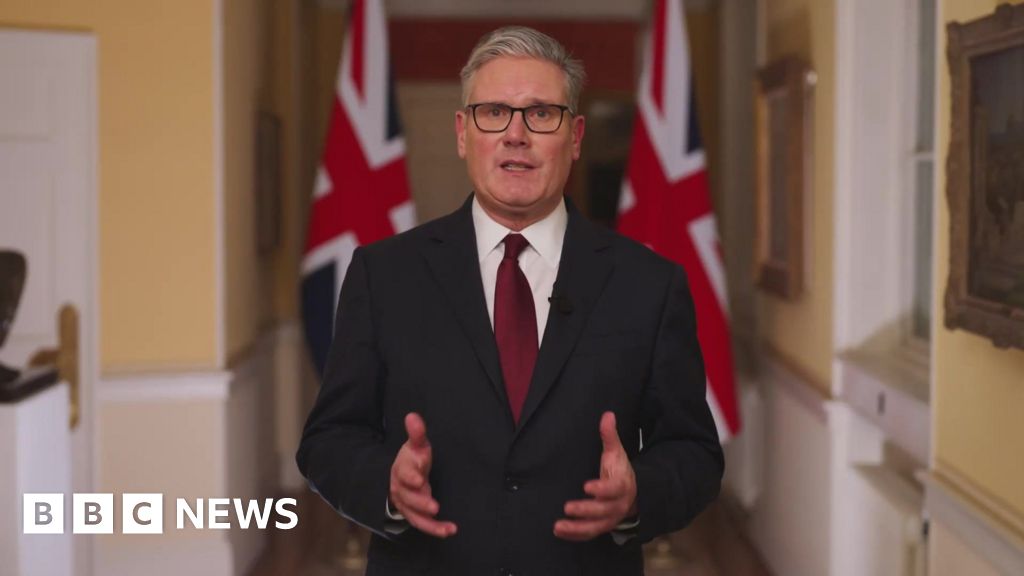
 Ramos Leo
 Nakalama John

 atisusanti